
Education
Guelph Researcher Explores Yanomami Microbiomes for Health Insights

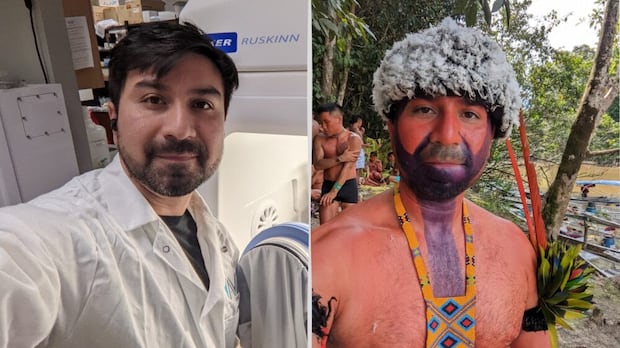
A researcher from the University of Guelph, David Good, is exploring the health benefits of the human microbiome by studying feces from the Yanomami community in the Amazon rainforest. This study not only aims to uncover vital information about gut health but also serves as a personal journey for Good, who has familial ties to the semi-nomadic Yanomami in Venezuela.
Good’s research focuses on analyzing the unique bacteria present in the feces of this Indigenous group, known for having one of the most diverse microbiomes globally. He emphasizes that the diversity of these microbiomes is crucial in understanding how to combat chronic inflammatory and autoimmune disorders. “Diversity is really key here… to see if we can better understand how we can… fight against chronic inflammatory and autoimmune disorders,” he stated during an interview on CBC Radio’s The Morning Edition.
Personal Connection to Yanomami Heritage
Good’s interest in microbiome research was sparked during a visit to the Amazon, where he sought to reconnect with his mother’s heritage. “As I was learning about the language, the culture, the way of life, hunting, gathering and foraging, I was introduced to the microbiome field,” he explained. This journey allowed him to view his Yanomami roots through a scientific lens, bridging his life in Western society with his Indigenous heritage.
In conducting this research, Good is keenly aware of the historical exploitation faced by Indigenous communities in scientific studies. He is committed to ensuring that his work benefits the Yanomami people directly. “I work on the back of the controversies of biopiracy, exploitation, extraction from previous researchers,” he remarked, highlighting the need for ethical practices in research.
Empowering the Yanomami Community
To foster equitable benefits, Good collaborates with local community members to assess their needs and ensure that the research yields meaningful opportunities. One significant initiative arising from this effort is the establishment of a new learning centre, designed to equip Yanomami individuals with skills in scientific research. This centre aims to train community members in sample collection and provide insights into microbial diversity.
“We want to teach them what it means to have a microbial diversity loss… to know what it’s like to be a researcher and understand the microbiome,” Good noted. This initiative not only empowers the Yanomami but also creates a platform for them to participate actively in scientific exploration.
Professor Emma Allen-Vercoe, a Canada Research Chair at the University of Guelph, oversees Good’s research and praised his approach as a departure from traditional methods. “They followed all the protocols… but they didn’t really consider the agency of the people themselves,” she stated, underscoring the importance of respecting Indigenous knowledge and perspectives in research.
Broader Implications for Global Health
Allen-Vercoe believes that Good’s work has the potential to offer critical insights into how modern lifestyles impact human health. She explained that since the onset of the industrial age, significant lifestyle changes—such as the abandonment of natural food sources and increased antibiotic use—have negatively affected our microbiomes. By studying the gut microbiomes of individuals who have not been influenced by industrialization, researchers can better understand the connections between gut health and overall well-being.
The research conducted by Good and his team not only aims to advance scientific knowledge but also to create a model for ethical research practices that respect and uplift Indigenous communities. As Good continues his journey, he hopes that his findings will make a meaningful impact on both the scientific community and the Yanomami people, fostering a deeper understanding of health and heritage.

Meta Plans Major Layoffs as AI Costs Surge

Alberta’s Referendum Could Pave Way for U.S. Statehood

Minooka District 201 Plans Enhanced Bilingual Support for Students

Canmore Approves Multiple Development Permits for New Projects

Remembering Bradly Castillo Shearsmith: A Life of Friendship and Joy

BIS Urges Watchdogs to Integrate Synthetic Risk Transfers in Stress Tests

Teva Transforms: Shifting Focus from Generics to Branded Success

Apple Launches AirPods Max 2 with Enhanced Audio Features

Ontario Ends Funding for Seven Supervised Injection Sites

Toyoake City Proposes Daily Two-Hour Smartphone Use Limit

Pedestrian Fatally Injured in Esquimalt Collision on August 14

B.C. Review Reveals Urgent Need for Rare-Disease Drug Reforms

Dark Adventure Game “Bye Sweet Carole” Set for October Release

Konami Revives Iconic Metal Gear Solid Delta Ahead of Release

Victoria’s Pop-Up Shop Shines Light on B.C.’s Wolf Cull

Jimmy Lai’s Defense Challenges Charges Under National Security Law

Snapmaker U1 Color 3D Printer Redefines Speed and Sustainability

Apple Expands Self-Service Repair Program to Canada
-
 Science11 months ago
Toyoake City Proposes Daily Two-Hour Smartphone Use Limit
-
 Top Stories11 months ago
Pedestrian Fatally Injured in Esquimalt Collision on August 14
-
 Health11 months ago
B.C. Review Reveals Urgent Need for Rare-Disease Drug Reforms
-
 Technology11 months ago
Dark Adventure Game “Bye Sweet Carole” Set for October Release
-
 Technology11 months ago
Konami Revives Iconic Metal Gear Solid Delta Ahead of Release
-
 Lifestyle11 months ago
Victoria’s Pop-Up Shop Shines Light on B.C.’s Wolf Cull
-
 World11 months ago
Jimmy Lai’s Defense Challenges Charges Under National Security Law
-
 Technology11 months ago
Snapmaker U1 Color 3D Printer Redefines Speed and Sustainability
-
 Technology11 months ago
Apple Expands Self-Service Repair Program to Canada
-

 Technology11 months ago
AION Folding Knife: Redefining EDC Design with Premium Materials
-

 Technology11 months ago
Solve Today’s Wordle Challenge: Hints and Answer for August 19
-

 Business11 months ago
Gordon Murray Automotive Unveils S1 LM and Le Mans GTR at Monterey