
Science
Kawaiicon Launches Innovative CO2 Monitoring for Attendees

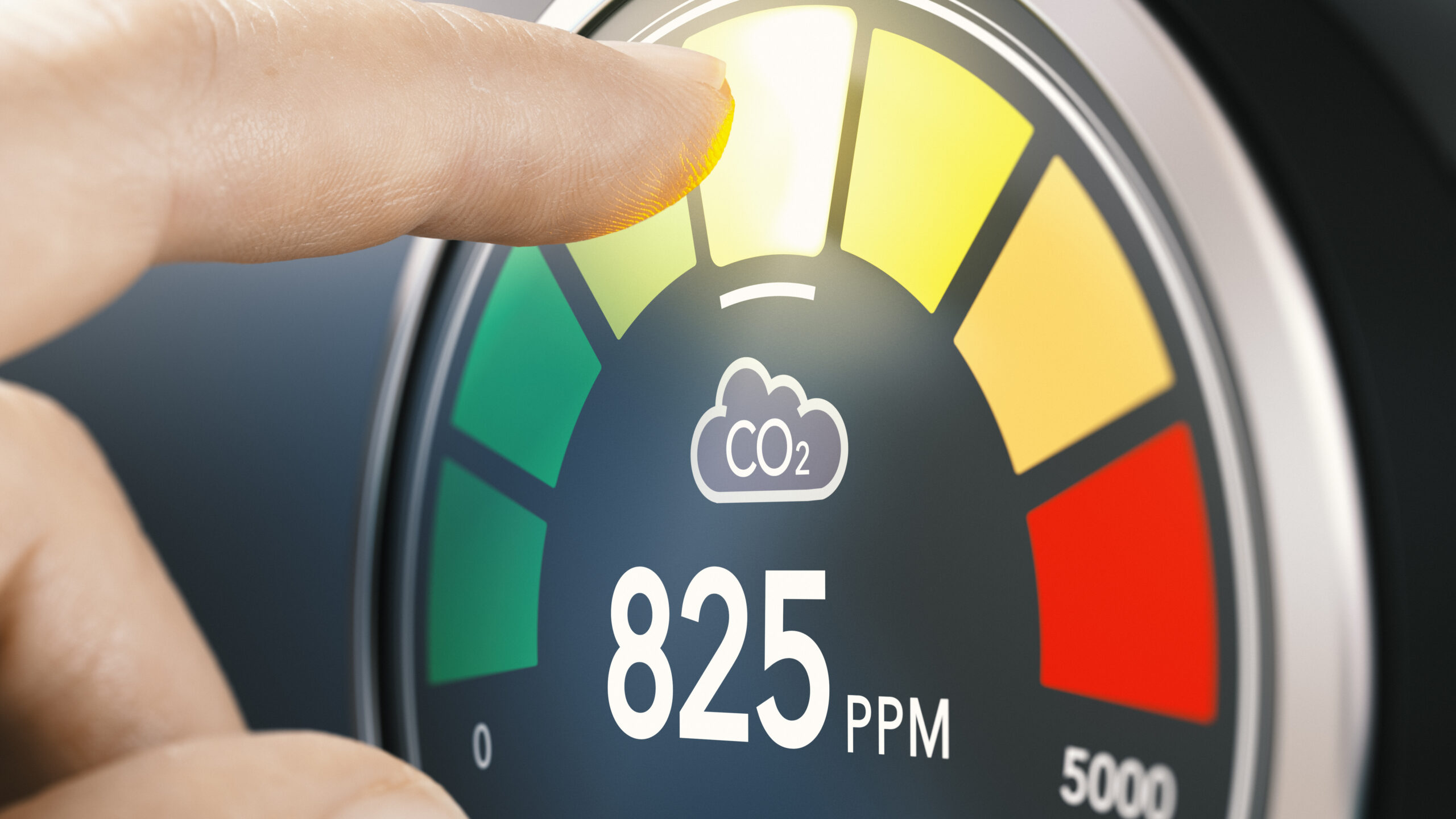
New Zealand’s premier hacker conference, Kawaiicon, has introduced an innovative real-time carbon dioxide (CO2) monitoring system to enhance attendee safety. Launched on November 6, 2023, this initiative aims to combat the common phenomenon of “con crud,” a term used to describe illnesses contracted at conventions.
To facilitate this system, event organizers equipped the Michael Fowler Centre with DIY CO2 monitors prior to the conference’s opening. Attendees could access a public online dashboard displaying air quality readings from various areas, including session rooms and communal spaces, before even arriving at the venue. The organizers emphasized their proactive approach, stating, “It’s ALMOST like we are all nerds in a risk-based industry.”
The initiative has garnered praise from industry veterans, including Jeff Moss, founder of the renowned Defcon and Black Hat security conferences. He remarked, “What they did is fantastic. CO2 is being used as an approximation for so many things, but there are no easy, inexpensive network monitoring solutions available. Kawaiicon building something to do this is the true spirit of hacking.”
Addressing Health Concerns During Gatherings
Elevated CO2 levels are linked to decreased cognitive function and can facilitate the spread of airborne viruses. Such conditions can linger in poorly ventilated venues, making CO2 data a valuable tool for monitoring air quality. The Australian Academy of Science has even characterized indoor air pollution as “someone else’s breath backwash.”
Kawaiicon organizers faced the challenge of hosting a significant cybersecurity event amid ongoing outbreaks of diseases such as measles, COVID-19, influenza, and respiratory syncytial virus (RSV). They expressed their frustrations regarding the limitations of public health measures and air quality control in large venues.
“The Michael Fowler venue has a single HVAC system and uses Farr 30/30 filters with a rating of MERV-8,” the organizers explained. MERV-8 filters are typically used in residential settings, making them a budget-friendly but less effective choice for large conventions. “The hardest part of the whole process is being limited by what the venue offers,” they noted, highlighting the challenges posed by the venue’s older infrastructure.
Innovative Solutions for Air Quality Monitoring
Kawaiicon’s planning began in early October, when the team deployed a fleet of 13 RGB Matrix Portal Room CO2 Monitors, an adaptation of a DIY project from Adafruit Industries. These monitors connected to an online dashboard, providing live readings, daily highs and lows, and historical data on CO2 levels within the venue. Collaborating with researchers from the University of Otago, they rigorously tested their monitoring systems.
Limor “Ladyada” Fried, founder of Adafruit, expressed enthusiasm for the project’s application, stating, “The best part is seeing folks pick up new skills and really understand how we measure and monitor air quality in the real world.”
The Michael Fowler Centre, known for its unique blend of Scandinavian brutalism and acoustic design, presented challenges for air quality monitoring. Kawaiicon’s team strategically placed monitors to ensure accurate readings, taking into account various factors such as height and proximity to doors and windows. “Being a tech-leaning community, it is easier for us to set this up ourselves, or with volunteer help,” said a Kawaiicon spokesperson, who goes by Sput online.
During the conference, attendees were observed actively checking CO2 levels on their devices. Small wall-mounted monitors in each session room displayed color-coded indicators: green for safe levels, orange for caution, and red for high CO2 concentrations. “Everyone who occupies the con space has a different risk and threat model, and we want everyone to feel they can experience the con in a way that fits their model,” the organizers explained on their website.
Posters created by New Zealand artist Pepper Raccoon throughout the venue featured QR codes linking directly to the CO2 dashboard, enhancing accessibility for all attendees. This initiative aimed to ensure that individuals could easily find a safe space if air quality deteriorated.
Kawaiicon’s organizers took a balanced approach to health and safety. While they encouraged masking, it was not mandated, and free masks were available at the venue. They also promoted testing before attendance and offered a virtual streaming option for those unable to participate in person.
The introduction of this CO2 monitoring system not only addresses health concerns but also represents a significant step forward for conference organizers seeking to create safer environments. Kawaiicon’s proactive measures demonstrate an understanding of the complexities involved in hosting large gatherings during ongoing public health challenges.
As the organizers asserted, “We each have our different risk tolerance… No one needs your snarky commentary.” Kawaiicon showcases a commitment to innovation, community safety, and the spirit of hacking, paving the way for future events to prioritize attendee well-being.

Meta Plans Major Layoffs as AI Costs Surge

Alberta’s Referendum Could Pave Way for U.S. Statehood

Minooka District 201 Plans Enhanced Bilingual Support for Students

Canmore Approves Multiple Development Permits for New Projects

Remembering Bradly Castillo Shearsmith: A Life of Friendship and Joy

BIS Urges Watchdogs to Integrate Synthetic Risk Transfers in Stress Tests

Teva Transforms: Shifting Focus from Generics to Branded Success

Apple Launches AirPods Max 2 with Enhanced Audio Features

Ontario Ends Funding for Seven Supervised Injection Sites

Toyoake City Proposes Daily Two-Hour Smartphone Use Limit

Pedestrian Fatally Injured in Esquimalt Collision on August 14

B.C. Review Reveals Urgent Need for Rare-Disease Drug Reforms

Dark Adventure Game “Bye Sweet Carole” Set for October Release

Konami Revives Iconic Metal Gear Solid Delta Ahead of Release

Victoria’s Pop-Up Shop Shines Light on B.C.’s Wolf Cull

Jimmy Lai’s Defense Challenges Charges Under National Security Law

Snapmaker U1 Color 3D Printer Redefines Speed and Sustainability

Apple Expands Self-Service Repair Program to Canada
-
 Science12 months ago
Toyoake City Proposes Daily Two-Hour Smartphone Use Limit
-
 Top Stories12 months ago
Pedestrian Fatally Injured in Esquimalt Collision on August 14
-
 Health12 months ago
B.C. Review Reveals Urgent Need for Rare-Disease Drug Reforms
-
 Technology12 months ago
Dark Adventure Game “Bye Sweet Carole” Set for October Release
-
 Technology12 months ago
Konami Revives Iconic Metal Gear Solid Delta Ahead of Release
-
 Lifestyle12 months ago
Victoria’s Pop-Up Shop Shines Light on B.C.’s Wolf Cull
-
 World12 months ago
Jimmy Lai’s Defense Challenges Charges Under National Security Law
-
 Technology12 months ago
Snapmaker U1 Color 3D Printer Redefines Speed and Sustainability
-
 Technology12 months ago
Apple Expands Self-Service Repair Program to Canada
-

 Technology12 months ago
AION Folding Knife: Redefining EDC Design with Premium Materials
-

 Technology12 months ago
Solve Today’s Wordle Challenge: Hints and Answer for August 19
-

 Business12 months ago
Gordon Murray Automotive Unveils S1 LM and Le Mans GTR at Monterey