
Health
B.C. Government Proposes Revisions to Mental Health Act for Care Improvements

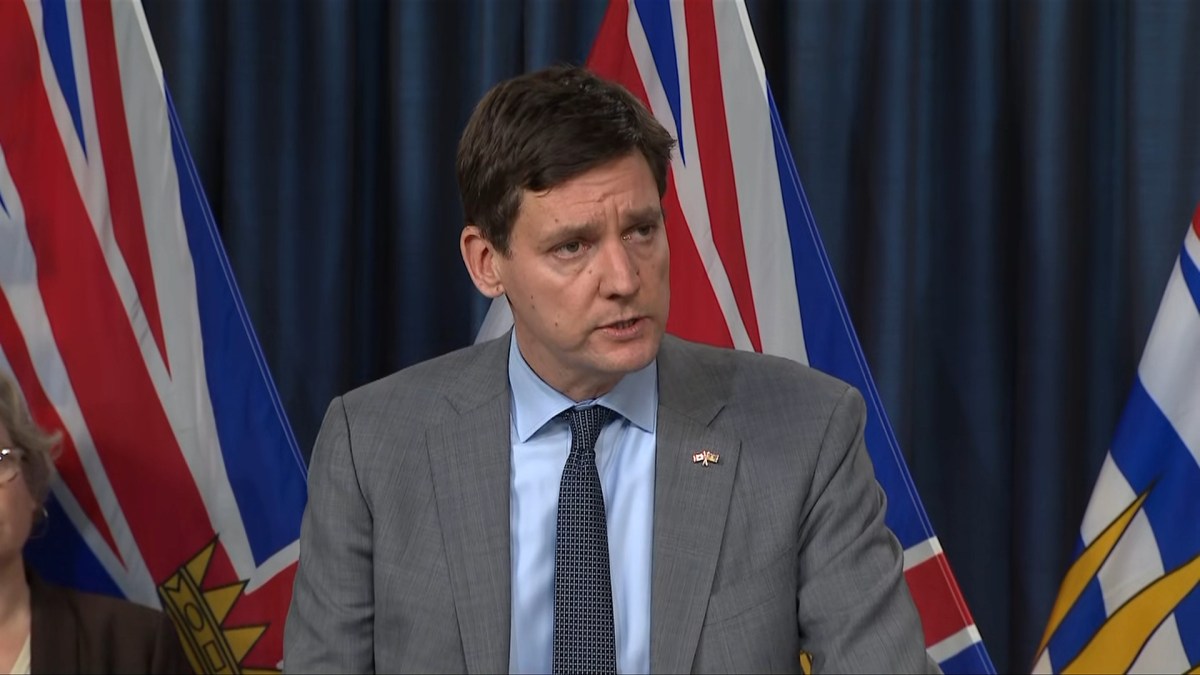
The government of British Columbia has announced significant amendments to the Mental Health Act, aimed at enhancing protections for health-care workers and clarifying the framework for involuntary care. Premier David Eby revealed the proposed changes on November 24, 2025, emphasizing the need for a more responsive mental health system.
In a statement, Eby outlined that the revisions would replace the existing Section 31(1) of the Mental Health Act with updated language intended to provide clearer legal protections for front-line workers involved in the treatment of involuntary patients. The current wording has been in place for over four decades and has been described as offering “limited legal protection.” The province aims to eliminate confusion surrounding the application of these protections.
“When someone is so unwell they can’t make decisions about their own safety, we have a responsibility to step in with compassion and care,” Eby stated. He also noted that strengthening involuntary care would support vulnerable patients and their families while ensuring no one falls through the cracks in the mental health system.
Key Changes to the Mental Health Act
The proposed amendments will introduce a new liability-protection clause under Section 16 of the act. According to Josie Osborne, the B.C. Health Minister, the changes are designed to affirm the act’s intent to provide necessary treatment for individuals who meet the criteria for involuntary admission.
“Treating people with severe mental health and substance use challenges often requires urgent, informed decisions,” Osborne explained. The amendments are geared toward reducing ambiguity in the existing legislation, ensuring that care is provided effectively when individuals are unable to seek it themselves.
Under the current provisions of the Mental Health Act, an individual can only be admitted involuntarily if they meet four specific criteria: they must have a seriously impairing mental disorder, require psychiatric treatment in a designated facility, need care to prevent deterioration of mental or physical health, and be deemed unsuitable for voluntary care. The proposed changes do not alter these criteria but aim to clarify how they are enforced, enhancing both clarity and safety.
Currently, there are more than 2,000 mental health beds available across British Columbia for involuntary treatment. The provincial government has indicated its commitment to increasing this capacity to better serve the community’s needs.
The proposed amendments to the Mental Health Act will require approval from the B.C. Legislature before they can become law. This legislative process will determine how effectively the government can implement the changes that have been outlined, with the overarching goal of improving mental health care and ensuring the safety of both patients and health-care providers.

Meta Plans Major Layoffs as AI Costs Surge

Alberta’s Referendum Could Pave Way for U.S. Statehood

Minooka District 201 Plans Enhanced Bilingual Support for Students

Canmore Approves Multiple Development Permits for New Projects

Remembering Bradly Castillo Shearsmith: A Life of Friendship and Joy

BIS Urges Watchdogs to Integrate Synthetic Risk Transfers in Stress Tests

Teva Transforms: Shifting Focus from Generics to Branded Success

Apple Launches AirPods Max 2 with Enhanced Audio Features

Ontario Ends Funding for Seven Supervised Injection Sites

Toyoake City Proposes Daily Two-Hour Smartphone Use Limit

Pedestrian Fatally Injured in Esquimalt Collision on August 14

B.C. Review Reveals Urgent Need for Rare-Disease Drug Reforms

Dark Adventure Game “Bye Sweet Carole” Set for October Release

Konami Revives Iconic Metal Gear Solid Delta Ahead of Release

Victoria’s Pop-Up Shop Shines Light on B.C.’s Wolf Cull

Jimmy Lai’s Defense Challenges Charges Under National Security Law

Snapmaker U1 Color 3D Printer Redefines Speed and Sustainability

Apple Expands Self-Service Repair Program to Canada
-
 Science11 months ago
Toyoake City Proposes Daily Two-Hour Smartphone Use Limit
-
 Top Stories11 months ago
Pedestrian Fatally Injured in Esquimalt Collision on August 14
-
 Health11 months ago
B.C. Review Reveals Urgent Need for Rare-Disease Drug Reforms
-
 Technology11 months ago
Dark Adventure Game “Bye Sweet Carole” Set for October Release
-
 Technology11 months ago
Konami Revives Iconic Metal Gear Solid Delta Ahead of Release
-
 Lifestyle11 months ago
Victoria’s Pop-Up Shop Shines Light on B.C.’s Wolf Cull
-
 World11 months ago
Jimmy Lai’s Defense Challenges Charges Under National Security Law
-
 Technology11 months ago
Snapmaker U1 Color 3D Printer Redefines Speed and Sustainability
-
 Technology11 months ago
Apple Expands Self-Service Repair Program to Canada
-

 Technology11 months ago
AION Folding Knife: Redefining EDC Design with Premium Materials
-

 Technology11 months ago
Solve Today’s Wordle Challenge: Hints and Answer for August 19
-

 Business11 months ago
Gordon Murray Automotive Unveils S1 LM and Le Mans GTR at Monterey