
Top Stories
Canadian Museums Shift Focus as Historical Villages Redefine Past

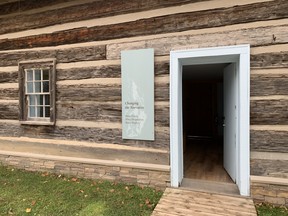
Changes in how Canadian museums present history have sparked debate, particularly around the rebranding of historical villages. In a notable instance, the Village at Black Creek in northern Toronto has recently dropped the term “pioneer” from its name. This decision, announced in 2022, reflects a broader movement under the Trudeau government aimed at fostering reconciliation and addressing perceptions of colonial history.
The Village at Black Creek is a living history museum designed to showcase life in Victorian Ontario. It has undergone significant transformations in recent years, driven by the Toronto and Region Conservation Authority. This government body initiated a “decolonization” process, intending to “restory” the narratives surrounding Canadian history. Critics argue these efforts often impose contemporary values onto the past without offering a comprehensive understanding of historical contexts.
Upon entering the museum, visitors encounter Sherwood Cabin, which has been reimagined as a space dedicated to reconciliation. Its bright pastel blue interior starkly contrasts with the traditional aesthetics of the village. A sign within the cabin states that the space represents how Indigenous people were encouraged in the 1800s to adopt European ways of life, while also claiming that their connection to the land remains unbroken.
In the centre of the room, an installation of tree branches invites visitors to reflect on concepts like “truth” and “reconciliation.” Visitors can attach tags with their thoughts to the branches, serving as a form of participatory engagement. The exhibit exemplifies a modern approach to history, yet some question its relevance and authenticity.
Brightly coloured Inuit sculptures, intended to symbolize interconnectedness, are placed throughout the village. While these pieces highlight Indigenous artistry, they raise questions about their contextual appropriateness. Notably, these works are created by artists from regions far removed from the historical Indigenous communities that inhabited southern Ontario.
Additionally, the museum features wire-art installations by Rhonda Lucy, an artist of 2-Spirit Mohawk and Melungeon ancestry. These pieces, while blending with the environment, still feel out of place in a heritage museum. On the day of the visit, traditional Indigenous weavings by Métis artist Tracey-Mae Chambers were on display, which aligned more closely with the museum’s historical narrative, despite also conveying modern political messages about colonization.
While museums have a duty to include diverse narratives, the Village at Black Creek struggles to effectively integrate Indigenous histories within its colonial framework. The recent changes often appear tokenistic, with land acknowledgments and contemporary art installations failing to provide a deep understanding of Indigenous life in the 1800s.
Interestingly, the museum’s focus on marginalized groups extends beyond Indigenous narratives, encompassing Black and LGBTQ+ histories. Numerous buildings feature stories of Black individuals from the 19th century, while the Town Hall includes dedicated space for LGBTQ+ experiences. The museum acknowledges the challenges faced by queer individuals in that era, yet critics argue that modern terminology may not accurately reflect historical realities.
The guide during a queer-themed tour explained the choice of the term “queer” over “homosexual,” noting that historical records are limited. Much of the information available is derived from translated diaries and primarily pertains to American and European contexts rather than Canadian specifics.
Despite the complexities surrounding the representation of LGBTQ+ histories, the museum has continued to develop its exhibits, including a 45-minute tour discussing these narratives. The challenge remains, however, of presenting these experiences authentically and ensuring they resonate with the actual historical context.
In a broader sense, the rebranding efforts at the Village at Black Creek reflect a cultural shift in Canadian museums. Bright blue signs warning visitors of potential hazards throughout the village serve as an example of contemporary sensitivities. While addressing safety concerns is important, critics argue that such warnings may detract from the historical authenticity of the experience.
The overall impression of the museum is one of juxtaposition, where modern art and ideologies clash with traditional historical elements. Visitors may leave having learned specific skills related to 19th-century life but lacking a nuanced understanding of how Indigenous communities interacted with European settlers.
Ultimately, the changes at the Village at Black Creek prompt a critical examination of how Canadian history is represented and understood. As museums navigate the complexities of inclusion and representation, there is a growing need to balance modern values with an authentic portrayal of the past. This ongoing dialogue is essential for fostering a shared understanding of history and advancing reconciliation efforts in Canada.

Meta Plans Major Layoffs as AI Costs Surge

Alberta’s Referendum Could Pave Way for U.S. Statehood

Minooka District 201 Plans Enhanced Bilingual Support for Students

Canmore Approves Multiple Development Permits for New Projects

Remembering Bradly Castillo Shearsmith: A Life of Friendship and Joy

BIS Urges Watchdogs to Integrate Synthetic Risk Transfers in Stress Tests

Teva Transforms: Shifting Focus from Generics to Branded Success

Apple Launches AirPods Max 2 with Enhanced Audio Features

Ontario Ends Funding for Seven Supervised Injection Sites

Toyoake City Proposes Daily Two-Hour Smartphone Use Limit

Pedestrian Fatally Injured in Esquimalt Collision on August 14

B.C. Review Reveals Urgent Need for Rare-Disease Drug Reforms

Dark Adventure Game “Bye Sweet Carole” Set for October Release

Konami Revives Iconic Metal Gear Solid Delta Ahead of Release

Victoria’s Pop-Up Shop Shines Light on B.C.’s Wolf Cull

Jimmy Lai’s Defense Challenges Charges Under National Security Law

Snapmaker U1 Color 3D Printer Redefines Speed and Sustainability

Apple Expands Self-Service Repair Program to Canada
-
 Science11 months ago
Toyoake City Proposes Daily Two-Hour Smartphone Use Limit
-
 Top Stories11 months ago
Pedestrian Fatally Injured in Esquimalt Collision on August 14
-
 Health11 months ago
B.C. Review Reveals Urgent Need for Rare-Disease Drug Reforms
-
 Technology11 months ago
Dark Adventure Game “Bye Sweet Carole” Set for October Release
-
 Technology11 months ago
Konami Revives Iconic Metal Gear Solid Delta Ahead of Release
-
 Lifestyle11 months ago
Victoria’s Pop-Up Shop Shines Light on B.C.’s Wolf Cull
-
 World11 months ago
Jimmy Lai’s Defense Challenges Charges Under National Security Law
-
 Technology11 months ago
Snapmaker U1 Color 3D Printer Redefines Speed and Sustainability
-
 Technology11 months ago
Apple Expands Self-Service Repair Program to Canada
-

 Technology11 months ago
AION Folding Knife: Redefining EDC Design with Premium Materials
-

 Technology11 months ago
Solve Today’s Wordle Challenge: Hints and Answer for August 19
-

 Business11 months ago
Gordon Murray Automotive Unveils S1 LM and Le Mans GTR at Monterey