
Education
Brandon School Division Faces Aging Infrastructure Challenge

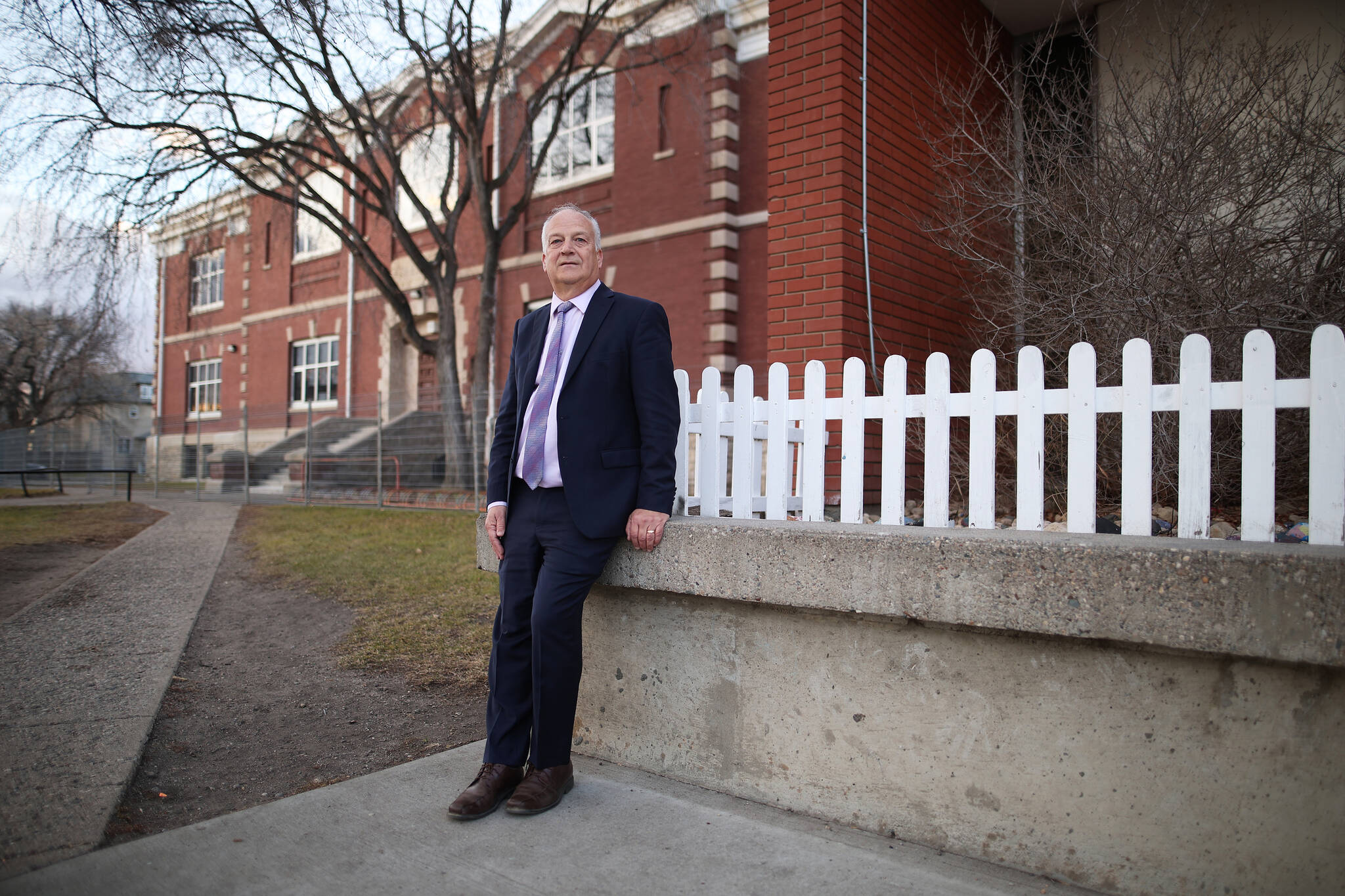
A recent facility report highlights significant concerns regarding the aging infrastructure within the Brandon School Division (BSD). The report reveals that a majority of the division’s buildings are past their middle age, raising questions about maintenance and future planning.
Mathew Gustafson, the Superintendent of BSD, presented the findings during a board meeting on March 15, 2024. He noted that out of the division’s 24 original school buildings, only one is under 35 years old, with an average building age of 62 years. The oldest facilities, such as École New Era, established in 1906, and others dating back to the late 1920s, underscore the pressing need for infrastructure assessment.
Details of the Aging Infrastructure
According to Gustafson, approximately 75 percent of BSD’s buildings are at least 50 years old. The division’s infrastructure includes a mix of older structures, such as George Fitton School (1954) and Neelin School (1956), alongside a few newer facilities like Maryland Park, which was completed in 2021.
The report also discusses various additions made to the original buildings, which include classroom wings and gymnasiums. These additions vary in age from 9 to 70 years, with an average age of 42 years. More than a third of these additions are also over 50 years old, indicating a widespread need for renovation and upgrades.
The current state of BSD’s modular units, which range from three to 14 years old, was also addressed. Gustafson confirmed that all 13 modular units remain in use, with some serving non-classroom purposes, such as supporting Indigenous education and family services.
Maintenance Strategies and Financial Implications
During the meeting, Gustafson outlined a three-pronged maintenance strategy that includes corrective, preventive, and predictive approaches. However, he acknowledged that BSD is still heavily reliant on corrective maintenance due to financial constraints. This reliance often leads to costly repairs, especially when unexpected failures, such as plumbing leaks, occur.
“Running equipment until it fails can be costly,” Gustafson explained, noting that it may cost up to 10 times as much as a regular maintenance program. He emphasized the importance of transitioning towards more preventive and predictive maintenance strategies, which could result in significant savings. The U.S. Department of Energy suggests that predictive maintenance can save between 8 to 12 percent compared to preventive methods and as much as 40 percent over reactive solutions.
Despite the financial challenges, Gustafson expressed a commitment to gradually incorporate more preventive measures when feasible. The ongoing discussions about infrastructure and maintenance strategies highlight the critical need for BSD to address the aging facilities effectively.
As the Brandon School Division navigates the complexities of maintaining its aging infrastructure, the focus remains on ensuring a safe and conducive learning environment for students. Stakeholders are encouraged to support initiatives aimed at improving the condition of these essential educational facilities.

Meta Plans Major Layoffs as AI Costs Surge

Alberta’s Referendum Could Pave Way for U.S. Statehood

Minooka District 201 Plans Enhanced Bilingual Support for Students

Canmore Approves Multiple Development Permits for New Projects

Remembering Bradly Castillo Shearsmith: A Life of Friendship and Joy

BIS Urges Watchdogs to Integrate Synthetic Risk Transfers in Stress Tests

Teva Transforms: Shifting Focus from Generics to Branded Success

Apple Launches AirPods Max 2 with Enhanced Audio Features

Ontario Ends Funding for Seven Supervised Injection Sites

Toyoake City Proposes Daily Two-Hour Smartphone Use Limit

Pedestrian Fatally Injured in Esquimalt Collision on August 14

B.C. Review Reveals Urgent Need for Rare-Disease Drug Reforms

Dark Adventure Game “Bye Sweet Carole” Set for October Release

Konami Revives Iconic Metal Gear Solid Delta Ahead of Release

Victoria’s Pop-Up Shop Shines Light on B.C.’s Wolf Cull

Jimmy Lai’s Defense Challenges Charges Under National Security Law

Snapmaker U1 Color 3D Printer Redefines Speed and Sustainability

Apple Expands Self-Service Repair Program to Canada
-
 Science11 months ago
Toyoake City Proposes Daily Two-Hour Smartphone Use Limit
-
 Top Stories11 months ago
Pedestrian Fatally Injured in Esquimalt Collision on August 14
-
 Health11 months ago
B.C. Review Reveals Urgent Need for Rare-Disease Drug Reforms
-
 Technology11 months ago
Dark Adventure Game “Bye Sweet Carole” Set for October Release
-
 Technology11 months ago
Konami Revives Iconic Metal Gear Solid Delta Ahead of Release
-
 Lifestyle11 months ago
Victoria’s Pop-Up Shop Shines Light on B.C.’s Wolf Cull
-
 World11 months ago
Jimmy Lai’s Defense Challenges Charges Under National Security Law
-
 Technology11 months ago
Snapmaker U1 Color 3D Printer Redefines Speed and Sustainability
-
 Technology11 months ago
Apple Expands Self-Service Repair Program to Canada
-

 Technology11 months ago
AION Folding Knife: Redefining EDC Design with Premium Materials
-

 Technology11 months ago
Solve Today’s Wordle Challenge: Hints and Answer for August 19
-

 Business11 months ago
Gordon Murray Automotive Unveils S1 LM and Le Mans GTR at Monterey