
Science
Breakthrough Discovery Changes Understanding of Plant Hormone Production

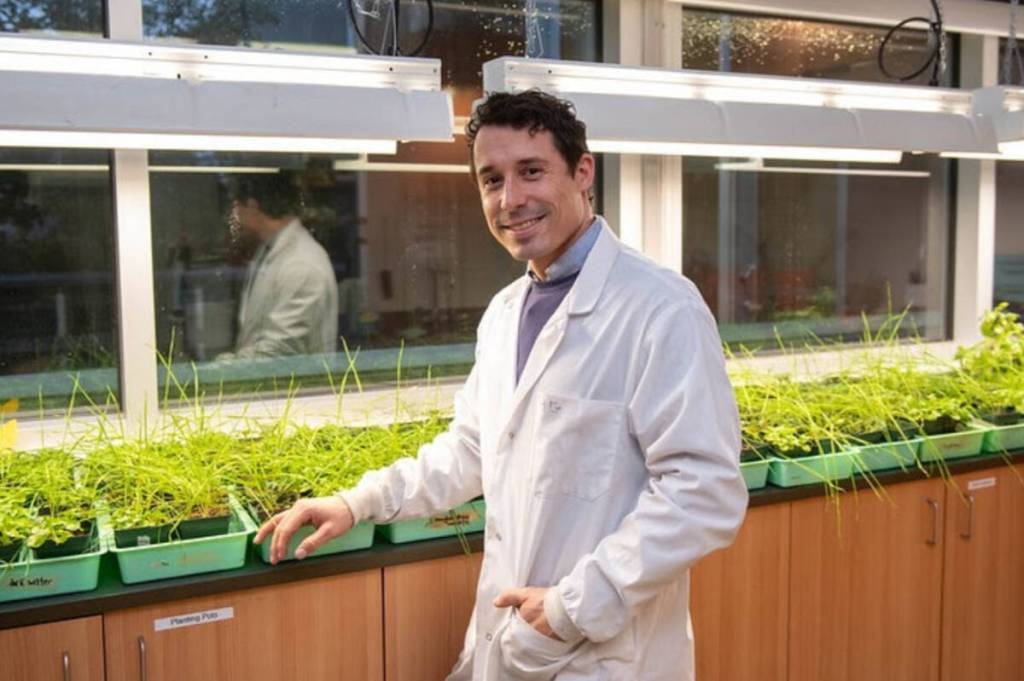
A significant advancement in plant science has emerged from the research of biochemist Harley Gordon and his team at the University of the Fraser Valley (UFV). Their recent study has unveiled a novel method for synthesizing phytohormones, particularly focusing on the role of salicylic acid, a crucial hormone in plant health. This finding has profound implications for understanding how plants respond to environmental stressors such as pests and diseases, as well as for enhancing crop resilience.
Salicylic acid is one of the six primary hormones that regulate plant growth and development. According to Gordon, “Plants, like humans, rely on hormones to do all sorts of things. They are sessile, meaning they cannot escape stressors. During stressful times, such as drought or frost, they often experience spikes in hormone concentrations, leading to biochemical changes as they adapt or defend themselves.”
Gordon’s research primarily involved the plant species Arabidopsis, commonly known as thale cress, which has been a staple in plant studies. However, the team’s findings revealed a surprising fact about this model organism. “Prior to our work, the existing knowledge about salicylic acid synthesis was heavily based on Arabidopsis literature. It turns out they are an anomaly; they have lost the ability to synthesize salicylic acid in the way most plants do,” he explained.
This revelation suggests that much of the previous research on salicylic acid might be flawed, as it relied on data from Arabidopsis rather than a broader range of plant species. This is a crucial development, as it could significantly alter the approach scientists take to enhance stress tolerance in crops and fruit-bearing plants.
Moreover, understanding salicylic acid production has implications beyond agriculture. The hormone is part of extracts that have historically been used in pain relief medicines. The study’s findings may inform future applications in human healthcare as well.
The research conducted by Gordon and his team has received validation from two additional studies published around the same time, confirming the significance of their discovery. This collaborative affirmation underscores the importance of their work in reshaping the understanding of plant hormone dynamics.
As scientists continue to explore the complexities of plant biology, Gordon’s research provides a fresh perspective on the synthesis of salicylic acid, paving the way for innovations in agriculture and potential advancements in medical applications. The implications of this study extend far beyond the laboratory, offering new pathways for improving both plant and human health.

Meta Plans Major Layoffs as AI Costs Surge

Alberta’s Referendum Could Pave Way for U.S. Statehood

Minooka District 201 Plans Enhanced Bilingual Support for Students

Canmore Approves Multiple Development Permits for New Projects

Remembering Bradly Castillo Shearsmith: A Life of Friendship and Joy

BIS Urges Watchdogs to Integrate Synthetic Risk Transfers in Stress Tests

Teva Transforms: Shifting Focus from Generics to Branded Success

Apple Launches AirPods Max 2 with Enhanced Audio Features

Ontario Ends Funding for Seven Supervised Injection Sites

Toyoake City Proposes Daily Two-Hour Smartphone Use Limit

Pedestrian Fatally Injured in Esquimalt Collision on August 14

B.C. Review Reveals Urgent Need for Rare-Disease Drug Reforms

Dark Adventure Game “Bye Sweet Carole” Set for October Release

Konami Revives Iconic Metal Gear Solid Delta Ahead of Release

Victoria’s Pop-Up Shop Shines Light on B.C.’s Wolf Cull

Jimmy Lai’s Defense Challenges Charges Under National Security Law

Snapmaker U1 Color 3D Printer Redefines Speed and Sustainability

Apple Expands Self-Service Repair Program to Canada
-
 Science12 months ago
Toyoake City Proposes Daily Two-Hour Smartphone Use Limit
-
 Top Stories12 months ago
Pedestrian Fatally Injured in Esquimalt Collision on August 14
-
 Health12 months ago
B.C. Review Reveals Urgent Need for Rare-Disease Drug Reforms
-
 Technology12 months ago
Dark Adventure Game “Bye Sweet Carole” Set for October Release
-
 Technology12 months ago
Konami Revives Iconic Metal Gear Solid Delta Ahead of Release
-
 Lifestyle12 months ago
Victoria’s Pop-Up Shop Shines Light on B.C.’s Wolf Cull
-
 World12 months ago
Jimmy Lai’s Defense Challenges Charges Under National Security Law
-
 Technology12 months ago
Snapmaker U1 Color 3D Printer Redefines Speed and Sustainability
-
 Technology12 months ago
Apple Expands Self-Service Repair Program to Canada
-

 Technology12 months ago
AION Folding Knife: Redefining EDC Design with Premium Materials
-

 Technology12 months ago
Solve Today’s Wordle Challenge: Hints and Answer for August 19
-

 Business12 months ago
Gordon Murray Automotive Unveils S1 LM and Le Mans GTR at Monterey