
Top Stories
Alarm Raised as Zero Steelhead Trout Found in Fraser River

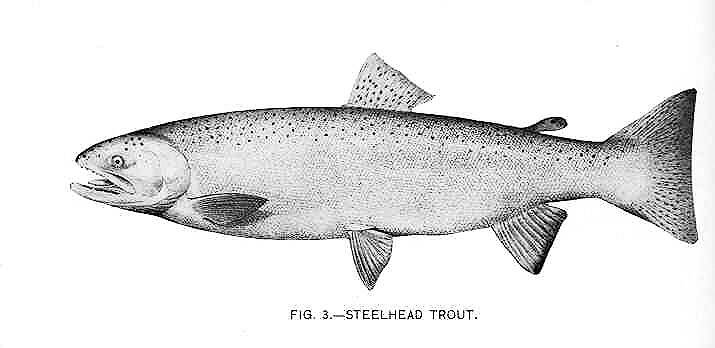
The absence of Steelhead Trout in the Fraser River this year has prompted urgent concerns from the BC Wildlife Federation (BCWF). During the critical 12-week migration period this summer, the Department of Fisheries and Oceans Canada (DFO) reported that no Interior Fraser Steelhead were detected in the Albion test fishery. This unprecedented finding marks the worst results since records began in the 1970s.
The BCWF highlighted that the Fraser River late-run summer Steelhead comprises ten distinct spawning stocks, including four returning to the Thompson River, two to the Chilcotin Watershed, and four to various tributaries of the Fraser. The organization stated, “A total return of zero fish from this test fishery is unprecedented, though not completely unexpected.” Over the past decade, returns have fluctuated from a few dozen to several hundred, but zero represents a critical decline.
In both 2018 and 2020, the Committee on the Status of Endangered Wildlife in Canada (COSEWIC) conducted emergency assessments of the Steelhead populations in the Thompson and Chilcotin regions, concluding they were endangered and at imminent risk of extinction. Despite these alarming evaluations, the federal government has not added these populations to the List of Endangered Wildlife in Canada under the Species at Risk Act. Such a listing would require immediate protective measures, including reduced bycatch from non-selective fisheries.
In a status update released on November 19, biologist Robert Bison confirmed the dire situation, noting that while zero Steelhead were caught in the Chilcotin and Fraser regions, one was recorded at the Brownsville Bar Test Fishery, presumed to be a Fraser Steelhead. This catch led Bison to estimate that the spawning population in the Thompson watershed is less than 19 Steelhead, while the Chilcotin’s spawning population could be as low as nine fish.
Bison remarked, “The current forecasted spawner abundance for the Thompson ranks 49th over a 49-year monitoring time frame.” For the Chilcotin, it ranks 54th over a 54-year period, underscoring the severity of the crisis.
Executive Director of the BCWF, Jesse Zeman, described these figures as indicative of an emergency for the Steelhead population. He warned, “One hiccup, like a slide or a storm, could wipe out one or more of these spawning populations forever.” Since 2018, the BCWF has advocated for an emergency listing of the Thompson and Chilcotin Steelhead.
While the Steelhead fishery has faced significant restrictions, Zeman pointed out that oceanic pressures are also detrimentally affecting the Steelhead population. He indicated that Steelhead spend a portion of their lives in the ocean and that adopting selective fishing techniques could greatly benefit their recovery.
The BCWF has accused DFO of neglecting a growing body of scientific evidence suggesting that high populations of seals and sea lions, as well as orcas, are severely impacting Pacific Salmon and Steelhead Trout populations. Recommendations from a recent report by the Standing Committee on Fisheries and Oceans included conducting more research on the influence of pinnipeds—marine mammals like seals and sea lions—on fish stocks and introducing some form of population control. The committee aligned with witnesses who advocated for a sustainable seal harvest to mitigate the negative impacts stemming from pinniped overpopulation.
Zeman criticized the DFO, stating, “They might as well call the Steelhead Action Plan the Steelhead IN-Action Plan.” He added that both provincial and federal governments have been managing these fish populations to a critical level, leading to the current situation of zero returns.
In collaboration with Dr. Murdoch McAllister, the BCWF sponsored a study exploring various hatchery methodologies to address the challenges facing Steelhead populations in the B.C. Interior. The research considered multiple factors, including the use of wild broodstock and the timing of juvenile fish releases to avoid predation.
The BCWF emphasized that simply releasing large numbers of hatchery fish without strategic planning does not guarantee success, as predators like wild birds and pinnipeds can diminish the population of wild-origin fish.
As the Steelhead that have made it past Hells Gate prepare to overwinter in the Thompson and Chilcotin Watersheds, they will complete their migration and aim to spawn in the spring. Bison noted that an update on the Steelhead numbers will be available in the summer of 2026.
Zeman concluded, “If the number of returning Steelhead truly is zero, the government will have stood by for nearly a decade without taking appropriate action to stop their extirpation.” The situation underscores the urgent need for effective management and conservation strategies to protect the dwindling Steelhead populations in British Columbia.

Meta Plans Major Layoffs as AI Costs Surge

Alberta’s Referendum Could Pave Way for U.S. Statehood

Minooka District 201 Plans Enhanced Bilingual Support for Students

Canmore Approves Multiple Development Permits for New Projects

Remembering Bradly Castillo Shearsmith: A Life of Friendship and Joy

BIS Urges Watchdogs to Integrate Synthetic Risk Transfers in Stress Tests

Teva Transforms: Shifting Focus from Generics to Branded Success

Apple Launches AirPods Max 2 with Enhanced Audio Features

Ontario Ends Funding for Seven Supervised Injection Sites

Toyoake City Proposes Daily Two-Hour Smartphone Use Limit

Pedestrian Fatally Injured in Esquimalt Collision on August 14

B.C. Review Reveals Urgent Need for Rare-Disease Drug Reforms

Dark Adventure Game “Bye Sweet Carole” Set for October Release

Konami Revives Iconic Metal Gear Solid Delta Ahead of Release

Victoria’s Pop-Up Shop Shines Light on B.C.’s Wolf Cull

Jimmy Lai’s Defense Challenges Charges Under National Security Law

Snapmaker U1 Color 3D Printer Redefines Speed and Sustainability

Apple Expands Self-Service Repair Program to Canada
-
 Science11 months ago
Toyoake City Proposes Daily Two-Hour Smartphone Use Limit
-
 Top Stories11 months ago
Pedestrian Fatally Injured in Esquimalt Collision on August 14
-
 Health11 months ago
B.C. Review Reveals Urgent Need for Rare-Disease Drug Reforms
-
 Technology11 months ago
Dark Adventure Game “Bye Sweet Carole” Set for October Release
-
 Technology11 months ago
Konami Revives Iconic Metal Gear Solid Delta Ahead of Release
-
 Lifestyle11 months ago
Victoria’s Pop-Up Shop Shines Light on B.C.’s Wolf Cull
-
 World11 months ago
Jimmy Lai’s Defense Challenges Charges Under National Security Law
-
 Technology11 months ago
Snapmaker U1 Color 3D Printer Redefines Speed and Sustainability
-
 Technology11 months ago
Apple Expands Self-Service Repair Program to Canada
-

 Technology11 months ago
AION Folding Knife: Redefining EDC Design with Premium Materials
-

 Technology11 months ago
Solve Today’s Wordle Challenge: Hints and Answer for August 19
-

 Business11 months ago
Gordon Murray Automotive Unveils S1 LM and Le Mans GTR at Monterey