
Science
Researchers Uncover New Insights on Superbug Spread in Hospitals

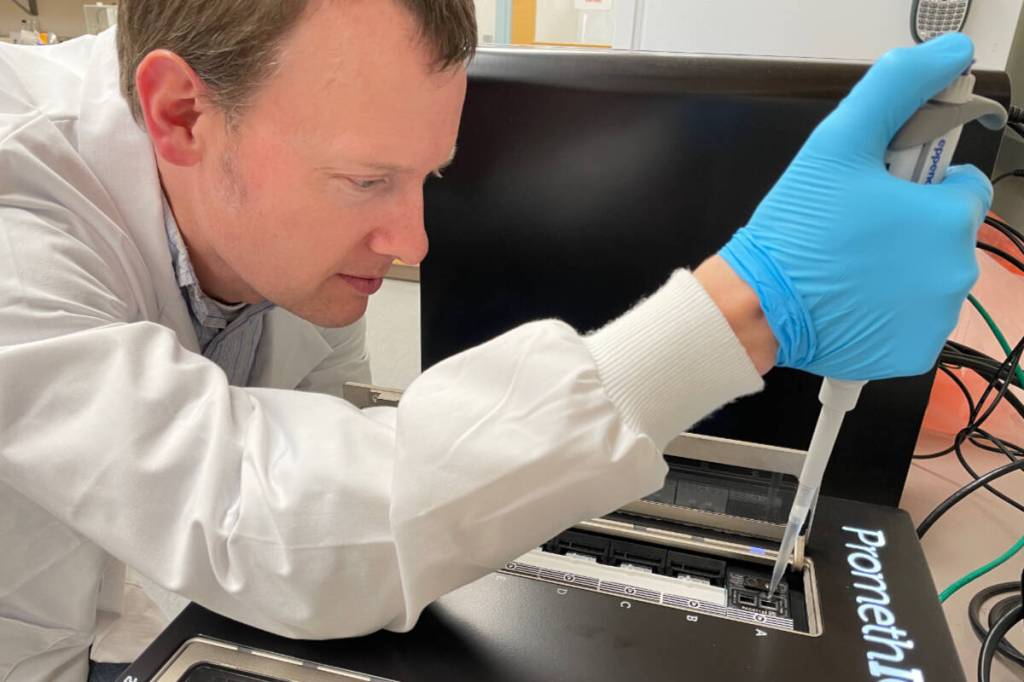
Researchers from the University of the Fraser Valley (UFV) and Simon Fraser University (SFU) have launched a collaborative effort to address the pressing issue of superbugs in healthcare settings. Superbugs, which are strains of bacteria resistant to most antibiotics, pose a significant threat to patient safety and are becoming increasingly prevalent. A recent study published in The Lancet estimates that over 39 million people could die from these infections between 2025 and 2050 if current trends continue.
In response to this growing crisis, the British Columbia-based researchers have initiated a pilot program aimed at improving the understanding of how superbugs, specifically the Clostridioides difficile (C. difficile) infection, spread within hospitals. C. difficile is known to be one of the leading causes of infectious diarrhea in healthcare settings, particularly in hospitals and long-term care facilities.
The pilot program will analyze samples from infected patients at Abbotsford Regional Hospital. According to Dr. Kevin Afra, executive director for antimicrobial stewardship and infection control at Fraser Health, the research will involve whole-genome sequencing of the samples. This process aims to reveal the genetic characteristics of C. difficile and how it propagates in hospital environments.
“We’re hoping to learn more about whether the C. difficile we see in our hospitals is transmitted from patient to patient or whether some patients are coming into hospitals colonized with C. difficile,” Dr. Afra explained. “Our hope is that this project will inform future antimicrobial stewardship and infection prevention strategies to enhance patient safety across the region.”
The implications of this research extend beyond the local context. Dr. Will Hsiao from SFU emphasized the global significance of understanding C. difficile transmission. “Through advanced computational analysis of the sequence data, we are able to place the C. difficile from B.C. in a national and global context. This will allow clinicians to use these insights to improve local intervention strategies,” Hsiao noted.
The study is set to continue throughout much of 2026 at SFU’s molecular biology and biochemistry department. As researchers delve deeper into the complexities of superbug behavior, the findings could pave the way for innovative solutions to combat the growing threat posed by antibiotic-resistant infections, ultimately aiming to safeguard patient health on a broader scale.

Meta Plans Major Layoffs as AI Costs Surge

Alberta’s Referendum Could Pave Way for U.S. Statehood

Minooka District 201 Plans Enhanced Bilingual Support for Students

Canmore Approves Multiple Development Permits for New Projects

Remembering Bradly Castillo Shearsmith: A Life of Friendship and Joy

BIS Urges Watchdogs to Integrate Synthetic Risk Transfers in Stress Tests

Teva Transforms: Shifting Focus from Generics to Branded Success

Apple Launches AirPods Max 2 with Enhanced Audio Features

Ontario Ends Funding for Seven Supervised Injection Sites

Toyoake City Proposes Daily Two-Hour Smartphone Use Limit

Pedestrian Fatally Injured in Esquimalt Collision on August 14

B.C. Review Reveals Urgent Need for Rare-Disease Drug Reforms

Dark Adventure Game “Bye Sweet Carole” Set for October Release

Konami Revives Iconic Metal Gear Solid Delta Ahead of Release

Victoria’s Pop-Up Shop Shines Light on B.C.’s Wolf Cull

Jimmy Lai’s Defense Challenges Charges Under National Security Law

Snapmaker U1 Color 3D Printer Redefines Speed and Sustainability

Apple Expands Self-Service Repair Program to Canada
-
 Science12 months ago
Toyoake City Proposes Daily Two-Hour Smartphone Use Limit
-
 Top Stories12 months ago
Pedestrian Fatally Injured in Esquimalt Collision on August 14
-
 Health12 months ago
B.C. Review Reveals Urgent Need for Rare-Disease Drug Reforms
-
 Technology12 months ago
Dark Adventure Game “Bye Sweet Carole” Set for October Release
-
 Technology12 months ago
Konami Revives Iconic Metal Gear Solid Delta Ahead of Release
-
 Lifestyle12 months ago
Victoria’s Pop-Up Shop Shines Light on B.C.’s Wolf Cull
-
 World12 months ago
Jimmy Lai’s Defense Challenges Charges Under National Security Law
-
 Technology12 months ago
Snapmaker U1 Color 3D Printer Redefines Speed and Sustainability
-
 Technology12 months ago
Apple Expands Self-Service Repair Program to Canada
-

 Technology12 months ago
AION Folding Knife: Redefining EDC Design with Premium Materials
-

 Technology12 months ago
Solve Today’s Wordle Challenge: Hints and Answer for August 19
-

 Business12 months ago
Gordon Murray Automotive Unveils S1 LM and Le Mans GTR at Monterey