
Business
Japan Maintains Russian Energy Imports Despite Sanctions

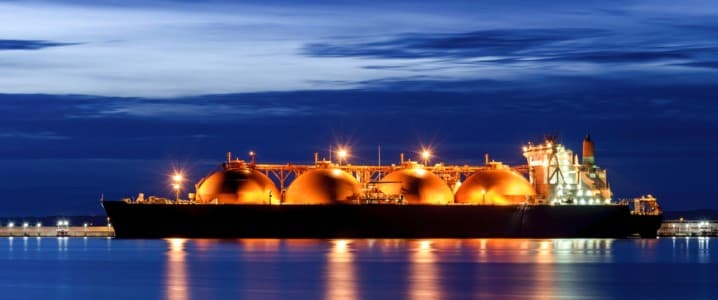
Japan’s Ministry of Economy, Trade, and Industry has reaffirmed the country’s commitment to securing energy supplies from Russia, emphasizing the significance of crude oil and natural gas imports for Japan’s energy security. In a statement provided to Reuters, the ministry highlighted the ongoing importance of the Sakhalin-1 oil and gas project located in Russia’s Far East, stating, “Securing energy from overseas, including the Sakhalin Project, is extremely important for Japan’s energy security.”
The ministry’s comments came in response to inquiries regarding recent sanctions imposed by the United States on Rosneft, Russia’s largest oil producer and a key stakeholder in the Sakhalin-1 project. Japan holds a 30% stake in Sakhalin-1, which was previously operated by ExxonMobil before the company exited the Russian market in 2022. In addition to Rosneft, ONGC Videsh of India also holds a 20% share in the project.
The Japanese government has faced pressure to reduce its reliance on Russian energy sources, particularly following the onset of sanctions after Russia’s invasion of Ukraine. Despite this, Japanese officials have consistently maintained that completely divesting from Russian energy would prove challenging, given the country’s significant dependence on foreign energy commodities.
Continued Dependence on Russian Energy
Japan imports liquefied natural gas (LNG) from the Sakhalin-2 project, which accounts for approximately 9% of the nation’s total LNG imports. The utility company JERA is responsible for these imports, with contracts set to expire in 2026 and 2029. The government has been granted exemptions from sanctions due to the overwhelming necessity of maintaining a stable energy supply, underscoring the delicate balance Japan must navigate in its energy policy.
In a notable response to former U.S. President Donald Trump‘s suggestion that Japan halt its purchases of Russian energy, the economy minister reiterated that the country has been “steadily reducing its dependence on Russian energy.” This statement reflects Japan’s ongoing efforts to diversify its energy sources while simultaneously recognizing the vital role that Russian oil and gas continue to play in its energy framework.
With the geopolitical landscape evolving, Japan’s approach to energy imports from Russia remains a critical aspect of its economic strategy. As the country seeks to ensure a stable energy supply, the implications of ongoing sanctions and international relations will likely continue to influence its energy decisions moving forward.

Meta Plans Major Layoffs as AI Costs Surge

Alberta’s Referendum Could Pave Way for U.S. Statehood

Minooka District 201 Plans Enhanced Bilingual Support for Students

Canmore Approves Multiple Development Permits for New Projects

Remembering Bradly Castillo Shearsmith: A Life of Friendship and Joy

BIS Urges Watchdogs to Integrate Synthetic Risk Transfers in Stress Tests

Teva Transforms: Shifting Focus from Generics to Branded Success

Apple Launches AirPods Max 2 with Enhanced Audio Features

Ontario Ends Funding for Seven Supervised Injection Sites

Toyoake City Proposes Daily Two-Hour Smartphone Use Limit

Pedestrian Fatally Injured in Esquimalt Collision on August 14

B.C. Review Reveals Urgent Need for Rare-Disease Drug Reforms

Dark Adventure Game “Bye Sweet Carole” Set for October Release

Konami Revives Iconic Metal Gear Solid Delta Ahead of Release

Victoria’s Pop-Up Shop Shines Light on B.C.’s Wolf Cull

Jimmy Lai’s Defense Challenges Charges Under National Security Law

Snapmaker U1 Color 3D Printer Redefines Speed and Sustainability

Apple Expands Self-Service Repair Program to Canada
-
 Science11 months ago
Toyoake City Proposes Daily Two-Hour Smartphone Use Limit
-
 Top Stories11 months ago
Pedestrian Fatally Injured in Esquimalt Collision on August 14
-
 Health11 months ago
B.C. Review Reveals Urgent Need for Rare-Disease Drug Reforms
-
 Technology11 months ago
Dark Adventure Game “Bye Sweet Carole” Set for October Release
-
 Technology11 months ago
Konami Revives Iconic Metal Gear Solid Delta Ahead of Release
-
 Lifestyle11 months ago
Victoria’s Pop-Up Shop Shines Light on B.C.’s Wolf Cull
-
 World11 months ago
Jimmy Lai’s Defense Challenges Charges Under National Security Law
-
 Technology11 months ago
Snapmaker U1 Color 3D Printer Redefines Speed and Sustainability
-
 Technology11 months ago
Apple Expands Self-Service Repair Program to Canada
-

 Technology11 months ago
AION Folding Knife: Redefining EDC Design with Premium Materials
-

 Technology11 months ago
Solve Today’s Wordle Challenge: Hints and Answer for August 19
-

 Business11 months ago
Gordon Murray Automotive Unveils S1 LM and Le Mans GTR at Monterey