
World
Minister Hodgson Declares West Coast Tanker Ban Discussion Premature

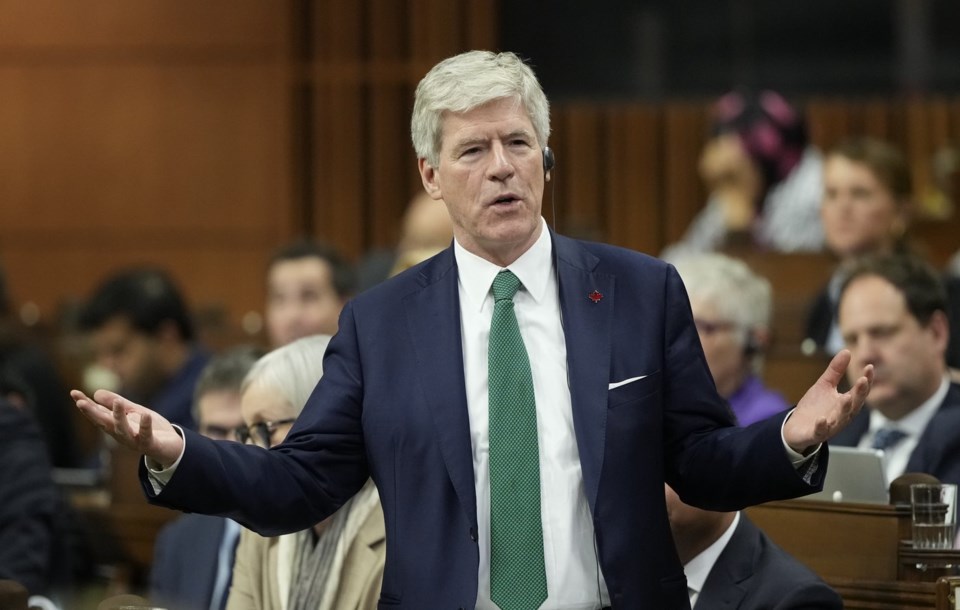
Federal Energy and Natural Resources Minister Tim Hodgson stated on October 5, 2023, that it is “premature” to draw conclusions regarding the future of the West Coast tanker ban. His remarks come as discussions intensify about the implications of this ban for oil transportation in British Columbia.
Hodgson emphasized that there is currently no defined pipeline route to transport oil from the northern regions of the province to the coast. This absence of a clear logistical plan means that the potential removal or adjustment of the ban is not a pressing issue at this time. The minister’s comments reflect the federal government’s stance on balancing environmental considerations with economic interests in the energy sector.
During a press conference in Ottawa, Hodgson reiterated that without a feasible pipeline project, any discussions about the tanker ban would be speculative. “We need to assess the situation thoroughly before making any decisions,” he stated. This caution indicates the government’s commitment to a careful review process before altering existing regulations that have significant environmental implications.
The West Coast tanker ban has been a contentious issue in Canadian politics, frequently cited in debates over climate policy and energy resource management. Environmental groups have consistently advocated for the ban, arguing that lifting it could lead to increased risks of oil spills and harm to marine ecosystems. Conversely, industry representatives argue that the ban limits economic growth and the potential for energy exports.
Hodgson’s position is likely to resonate with various stakeholders in the energy debate, as the Canadian federal government navigates its dual obligations to protect the environment while also fostering economic development. The complexities of the energy landscape in Canada require a nuanced approach, particularly in a province like British Columbia, where environmental concerns are paramount.
As discussions continue, observers will be keen to see how the government balances these competing interests. The future of the West Coast tanker ban remains uncertain, but for now, Hodgson’s remarks provide clarity on the government’s current viewpoint: a cautious approach that prioritizes thorough evaluation over hasty decisions.
In conclusion, the fate of the West Coast tanker ban will depend on forthcoming assessments and the development of concrete plans for oil transportation. As this issue unfolds, it will undoubtedly remain a focal point in Canada’s ongoing dialogue about energy, economy, and environmental responsibility.

Meta Plans Major Layoffs as AI Costs Surge

Alberta’s Referendum Could Pave Way for U.S. Statehood

Minooka District 201 Plans Enhanced Bilingual Support for Students

Canmore Approves Multiple Development Permits for New Projects

Remembering Bradly Castillo Shearsmith: A Life of Friendship and Joy

BIS Urges Watchdogs to Integrate Synthetic Risk Transfers in Stress Tests

Teva Transforms: Shifting Focus from Generics to Branded Success

Apple Launches AirPods Max 2 with Enhanced Audio Features

Ontario Ends Funding for Seven Supervised Injection Sites

Toyoake City Proposes Daily Two-Hour Smartphone Use Limit

Pedestrian Fatally Injured in Esquimalt Collision on August 14

B.C. Review Reveals Urgent Need for Rare-Disease Drug Reforms

Dark Adventure Game “Bye Sweet Carole” Set for October Release

Konami Revives Iconic Metal Gear Solid Delta Ahead of Release

Victoria’s Pop-Up Shop Shines Light on B.C.’s Wolf Cull

Jimmy Lai’s Defense Challenges Charges Under National Security Law

Snapmaker U1 Color 3D Printer Redefines Speed and Sustainability

Apple Expands Self-Service Repair Program to Canada
-
 Science11 months ago
Toyoake City Proposes Daily Two-Hour Smartphone Use Limit
-
 Top Stories11 months ago
Pedestrian Fatally Injured in Esquimalt Collision on August 14
-
 Health11 months ago
B.C. Review Reveals Urgent Need for Rare-Disease Drug Reforms
-
 Technology11 months ago
Dark Adventure Game “Bye Sweet Carole” Set for October Release
-
 Technology11 months ago
Konami Revives Iconic Metal Gear Solid Delta Ahead of Release
-
 Lifestyle11 months ago
Victoria’s Pop-Up Shop Shines Light on B.C.’s Wolf Cull
-
 World11 months ago
Jimmy Lai’s Defense Challenges Charges Under National Security Law
-
 Technology11 months ago
Snapmaker U1 Color 3D Printer Redefines Speed and Sustainability
-
 Technology11 months ago
Apple Expands Self-Service Repair Program to Canada
-

 Technology11 months ago
AION Folding Knife: Redefining EDC Design with Premium Materials
-

 Technology11 months ago
Solve Today’s Wordle Challenge: Hints and Answer for August 19
-

 Business11 months ago
Gordon Murray Automotive Unveils S1 LM and Le Mans GTR at Monterey