
Top Stories
Postcards Make a Comeback: Connecting in a Digital Age

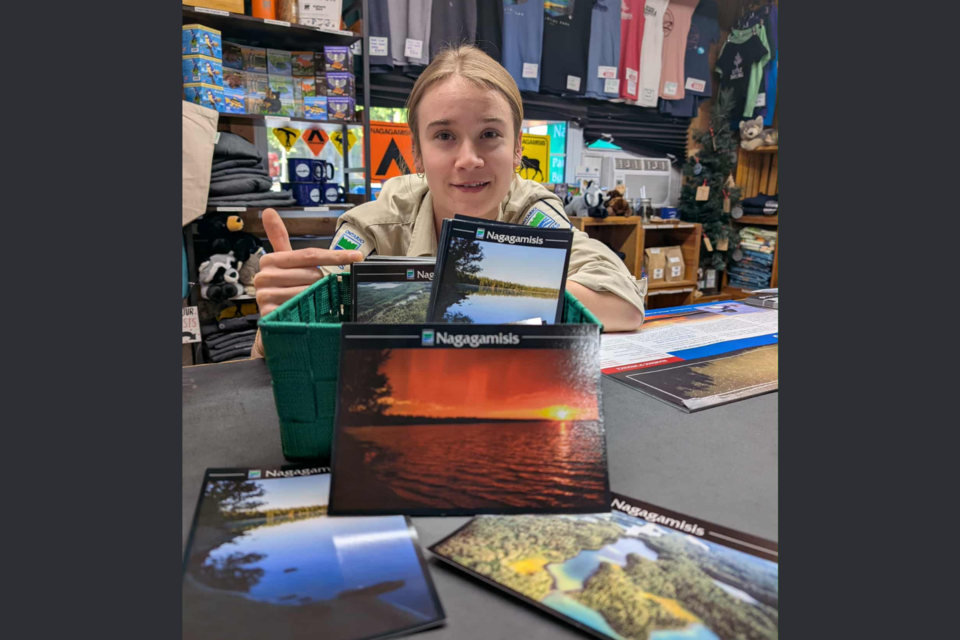
The nostalgic charm of postcards is experiencing a resurgence as people seek tangible connections in an increasingly digital world. While many may not recall the last time they encountered a postcard in a store or sent one through the mail, the sentiment behind these small pieces of art remains strong. According to experts, postcards serve as a personal and intentional form of communication, evoking memories of simpler times.
Postcards once thrived during the “Golden Age,” which spanned from approximately 1898 to 1918. They provided a quick and cost-effective means to share visual messages before the advent of telephones, social media, and instant messaging. Today, their appeal lies in the unique blend of nostalgia and artistry that they represent.
Exploring Postcard Culture in Canada
In Canada, postcards continue to hold significance, with various cultural institutions and collectors celebrating their history. For instance, at the Gogama Heritage Museum, visitors can discover postcards depicting local legends such as the wolf man. Similarly, the Ron Morel Memorial Museum in Kapuskasing provides a glimpse into small-town life, inspiring visitors to engage with the history of postcards. During a recent visit, a researcher sent a postcard to themselves inquiring about postal service disruptions amid labor unrest.
Phil Legault from Canada Post mentioned, “Unfortunately, as we do not track postcard or specific letter mail volumes such as Christmas cards, we do not have any statistics or historical information on the matter.” Despite this lack of data, there is evidence of ongoing interest in postcards, particularly in regional themes and artistic representations.
Mary Martin, a prominent figure in postcard history and co-author of A Guide Book of Collectible Postcards, explains that postcards offer more than just a snapshot of the past. “For many, old postcards provide a glimpse into a time and place that might otherwise be out of reach,” she noted. Her passion for collecting postcards stems from her family’s legacy; she owns the largest postcard shop in the world and actively engages with the community of collectors.
The Resilience of a Classic Hobby
Despite the decline in postcard usage among younger generations, there remains a dedicated community of enthusiasts. The Toronto Post Club, established in 1977, boasts approximately 250 members who share a passion for collecting postcards. Win Boyd, the club’s contact, highlighted that while the majority of current collectors lean towards vintage postcards from the early 1900s, there is a growing interest in more contemporary designs.
Boyd described postcards as “fascinating artifacts and pieces of art providing unique glimpses into over 100 years of Canadian and world history.” He acknowledged that postcard clubs, much like coin and stamp collecting, foster a sense of community among collectors. This trend is echoed in the United States, where deltiologists remain active.
For those unfamiliar with the term, a deltiologist is someone who collects postcards as a hobby. Collectors like Boyd and Martin not only buy and sell postcards but also educate others about their historical significance. Vintage postcards, such as those featuring the Dionne Quintuplets or the early 20th-century mining boom in Cobalt, Ontario, are especially sought after for their artistic and monetary value.
Postcards also continue to serve as a means of personal expression. Jeff Scott, a retired professor from Nipissing University, shared his enthusiasm for the hobby. “I love shopping for postcards, sending postcards, and receiving postcards,” he said. For Scott, the act of selecting a postcard is deeply personal, as he seeks to encapsulate moments and experiences for the recipient.
As postcards evolve, modern platforms like Postcrossing offer a 21st-century twist on the traditional postcard exchange. This online community connects users globally, allowing them to send and receive postcards from fellow members. Boyd noted that younger collectors are drawn to this new format, which combines the charm of postcards with the connectivity of the internet.
In the age of digital communication, postcards remain a beloved artifact, bridging the gap between past and present. They serve as reminders of the beauty of personal connections and the stories that can be shared through a simple piece of card. As more individuals rediscover the joy of sending and receiving postcards, it becomes evident that this quaint form of communication is far from obsolete.
Whether through vintage collections or modern exchanges, postcards continue to inspire and connect people across the globe. The quest for postcards, both on the shelves and in the hearts of collectors, is a journey worth taking.

Fem Tech: A New Frontier in Women’s Health or Corporate Exploitation?

Ottawa Charge Coach Carla MacLeod Reveals Breast Cancer Diagnosis

French Firm Atelier Bois d’ici Launches Family-Friendly Tiny XXL Home

Moss Street Market Faces Disruption from Custodian Shortage

Arms Producers Surge to Record Revenue of $679 Billion in 2024

Surrey Schools Honors 243 Retirees at Celebratory Dinner

Ontario’s Healthcare Faces Crisis: Lessons from UK’s Privatization

Thanksgiving Mass Unites Community in Spirit of Gratitude

Wabanaki Artifacts Spark Innovative Collaboration at UNB

Toyoake City Proposes Daily Two-Hour Smartphone Use Limit

B.C. Review Reveals Urgent Need for Rare-Disease Drug Reforms

Pedestrian Fatally Injured in Esquimalt Collision on August 14

Dark Adventure Game “Bye Sweet Carole” Set for October Release

Jimmy Lai’s Defense Challenges Charges Under National Security Law

Victoria’s Pop-Up Shop Shines Light on B.C.’s Wolf Cull

Konami Revives Iconic Metal Gear Solid Delta Ahead of Release

Apple Expands Self-Service Repair Program to Canada

Snapmaker U1 Color 3D Printer Redefines Speed and Sustainability
-
 Science3 months ago
Toyoake City Proposes Daily Two-Hour Smartphone Use Limit
-
 Health3 months ago
B.C. Review Reveals Urgent Need for Rare-Disease Drug Reforms
-
 Top Stories3 months ago
Pedestrian Fatally Injured in Esquimalt Collision on August 14
-
 Technology3 months ago
Dark Adventure Game “Bye Sweet Carole” Set for October Release
-
 World3 months ago
Jimmy Lai’s Defense Challenges Charges Under National Security Law
-
 Lifestyle3 months ago
Victoria’s Pop-Up Shop Shines Light on B.C.’s Wolf Cull
-
 Technology3 months ago
Konami Revives Iconic Metal Gear Solid Delta Ahead of Release
-
 Technology3 months ago
Apple Expands Self-Service Repair Program to Canada
-
 Technology3 months ago
Snapmaker U1 Color 3D Printer Redefines Speed and Sustainability
-

 Technology3 months ago
AION Folding Knife: Redefining EDC Design with Premium Materials
-

 Technology3 months ago
Solve Today’s Wordle Challenge: Hints and Answer for August 19
-

 Business3 months ago
Gordon Murray Automotive Unveils S1 LM and Le Mans GTR at Monterey