
Health
B.C. Implements Witnessed Dosing for Safer Supply Program

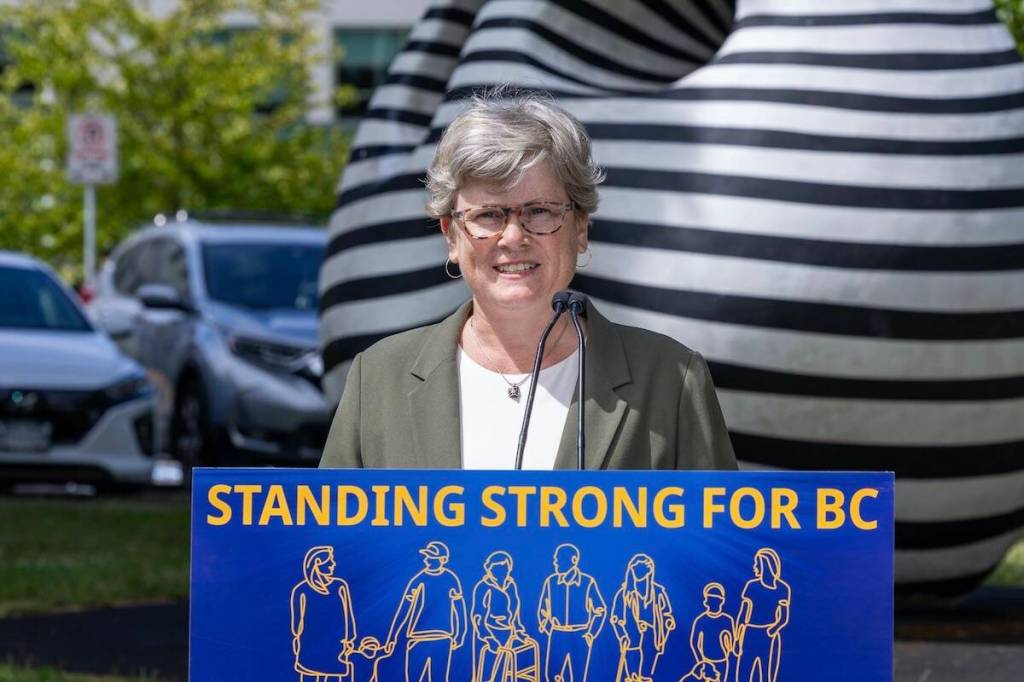
As of December 30, 2023, British Columbia (B.C.) will fully transition to a witnessed dosing system for its prescribed alternatives, commonly referred to as safer supply drugs. This change, initially announced in February, now requires all patients to take prescribed medications, primarily hydromorphone, in the presence of a health professional.
The shift aims to enhance the safety of patients who rely on these medications to manage opioid addiction. Previously, patients already on the program were allowed to continue taking their prescriptions at home. However, as of the end of this month, this practice will no longer be permitted, as stated in an announcement by B.C. health officials on December 2, 2023. Limited exceptions to this rule may apply, but specifics have yet to be clarified.
Concerns and Defence of the Program
The prescribed alternatives program was established to provide hydromorphone doses to individuals struggling with opioid addiction, helping them avoid the risks associated with toxic street drugs. Despite its intentions, the program has faced criticism. Reports have emerged suggesting that certain prescribed drugs may have been diverted to the illegal market, raising concerns about the integrity of the program. Additionally, allegations surfaced that some pharmacists were offering incentives to encourage patients to obtain their prescriptions from their establishments.
In response to the ongoing criticism, Josie Osborne, B.C.’s Health Minister, defended the program during a recent statement. “Prescribed alternatives remain one of many tools and strategies that we use to help separate people from a toxic drug supply, to help keep them alive, and to access care,” Osborne asserted. Her remarks underscore the provincial government’s commitment to addressing the opioid crisis through regulated and supervised means.
Osborne is scheduled to elaborate on these changes in a speech at 1:15 PM on the day of implementation. As developments unfold, further updates will be provided regarding her comments and the program’s impact on patients and health care providers.
The transition to a witnessed dosing model reflects a broader effort within B.C. to tackle the ongoing opioid crisis, which has claimed numerous lives across the province. By ensuring that patients consume their prescribed alternatives under supervision, officials hope to mitigate risks and promote public health.
As the new regulations take effect, the province is poised to monitor the outcomes closely, examining how this shift influences patient safety and the overall effectiveness of the prescribed alternatives program.

Profusa Innovates Real-Time Health Monitoring Ahead of 2026

B.C. Implements Witnessed Dosing for Safer Supply Program

Leaked Images Showcase Design of Nubia’s Upcoming Foldables

TransLink Plans Relocation of 99 B-Line Bus Stops in Vancouver

Stellantis and Government Clash Over Redactions in $500M Contract

Alberta Invests $4.5M in Dual-Credit Programs for Students

UBC Reports 2024 Animal Research Statistics with Commitment to Transparency

Health Minister Clarifies Cost of New Agreement for Workers

Google Unveils Android 16 QPR2 with Expanded Features and Enhancements

Toyoake City Proposes Daily Two-Hour Smartphone Use Limit

B.C. Review Reveals Urgent Need for Rare-Disease Drug Reforms

Pedestrian Fatally Injured in Esquimalt Collision on August 14

Dark Adventure Game “Bye Sweet Carole” Set for October Release

Jimmy Lai’s Defense Challenges Charges Under National Security Law

Victoria’s Pop-Up Shop Shines Light on B.C.’s Wolf Cull

Konami Revives Iconic Metal Gear Solid Delta Ahead of Release

Apple Expands Self-Service Repair Program to Canada

Snapmaker U1 Color 3D Printer Redefines Speed and Sustainability
-
 Science3 months ago
Toyoake City Proposes Daily Two-Hour Smartphone Use Limit
-
 Health4 months ago
B.C. Review Reveals Urgent Need for Rare-Disease Drug Reforms
-
 Top Stories4 months ago
Pedestrian Fatally Injured in Esquimalt Collision on August 14
-
 Technology3 months ago
Dark Adventure Game “Bye Sweet Carole” Set for October Release
-
 World3 months ago
Jimmy Lai’s Defense Challenges Charges Under National Security Law
-
 Lifestyle4 months ago
Victoria’s Pop-Up Shop Shines Light on B.C.’s Wolf Cull
-
 Technology4 months ago
Konami Revives Iconic Metal Gear Solid Delta Ahead of Release
-
 Technology3 months ago
Apple Expands Self-Service Repair Program to Canada
-
 Technology3 months ago
Snapmaker U1 Color 3D Printer Redefines Speed and Sustainability
-

 Technology3 months ago
AION Folding Knife: Redefining EDC Design with Premium Materials
-

 Technology4 months ago
Solve Today’s Wordle Challenge: Hints and Answer for August 19
-

 Business4 months ago
Gordon Murray Automotive Unveils S1 LM and Le Mans GTR at Monterey