
Health
British Columbia Paramedics Prepare for Potential Job Action

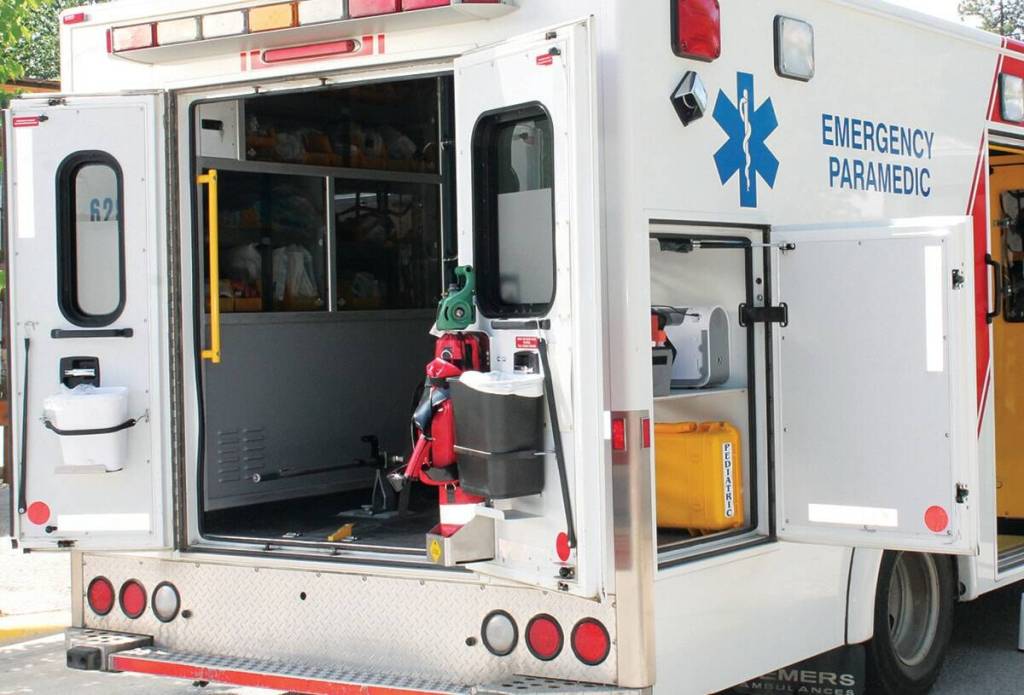
On February 2, 2024, the union representing paramedics and emergency dispatchers in British Columbia is poised to conduct a strike vote. This decision follows a breakdown in contract negotiations with the provincial government that began in late November 2023. While paramedics and dispatchers are classified as essential workers and will remain on the job, they may explore alternative forms of protest to voice their demands.
Historically, paramedics have demonstrated their dissatisfaction through visible actions. During a protracted strike in 2009, many paramedics adorned their ambulances with messages highlighting their cause and sometimes worked in civilian attire. That strike concluded with a government-mandated return to work and a new contract imposed upon them. It is crucial that the current situation does not follow the same contentious path.
Challenges Facing Paramedics
The contract dispute encompasses several common issues, notably wage concerns. However, the challenges faced by paramedics extend beyond salary. Many are grappling with the difficulties of serving rural and remote communities, particularly in regions where emergency room closures exacerbate their workload. Additionally, there is a pressing demand for enhanced mental health support, a crucial component of the union’s requests.
Paramedics are on the frontline of the ongoing fentanyl overdose crisis in British Columbia. Their work entails lengthy shifts—often twelve hours on a four-on, four-off schedule, similar to that of nurses. This demanding role requires them to spend considerable time in ambulances, both driving and caring for patients. The job merges the most challenging aspects of being a healthcare professional and a transportation worker, often exposing them to traumatic incidents, including severe injuries and fatalities.
“Improved support for mental health was key among the union’s demands,” said a union representative.
The Importance of Fair Compensation
Physically, the job poses significant challenges as well. Emergencies do not occur conveniently; paramedics are required to provide assistance in a variety of locations, from construction sites and hiking trails to steep ravines and stuck elevators. It is imperative that paramedics and dispatchers receive fair pay and improved working conditions, not only as a matter of justice but also as a pragmatic approach to public safety.
The shortage of paramedics has led to local firefighters increasingly responding to emergency medical calls, which shifts financial burdens from the provincial level to municipalities. Ensuring that paramedics are fairly compensated and adequately supported contributes to a more effective emergency response system, ultimately enhancing the safety and health of all residents in British Columbia.
As the situation develops, it is vital for the provincial government to engage constructively with the union. This dialogue could pave the way for a resolution that recognizes the essential role of paramedics and dispatchers, ensuring they can continue to serve the public effectively. The welfare of these frontline workers is not only a matter of professional ethics but also a necessary investment in the health of the community as a whole.

Scientists Harness Carrot Waste to Cultivate Sustainable Fungi Protein

British Columbia Paramedics Prepare for Potential Job Action

Innovative DAP-1 Digital Music Player Reimagines Audio Experience

Sentencing Delayed for Sex Offender as Heritage Claims Examined

Rafah Border Crossing Reopens Amid Confusion and Delays

Engaging February Events for All Ages at Plano Public Library

Elk Valley Resources Invests $250,000 in Bummers Flats Restoration

Discover Osoyoos: B.C.’s Winter Oasis Just Five Hours from Vancouver

UPEI’s Advanced Simulator Enhances Skills for Future Health Workers

Toyoake City Proposes Daily Two-Hour Smartphone Use Limit

Pedestrian Fatally Injured in Esquimalt Collision on August 14

Dark Adventure Game “Bye Sweet Carole” Set for October Release

B.C. Review Reveals Urgent Need for Rare-Disease Drug Reforms

Victoria’s Pop-Up Shop Shines Light on B.C.’s Wolf Cull

Jimmy Lai’s Defense Challenges Charges Under National Security Law

Konami Revives Iconic Metal Gear Solid Delta Ahead of Release

Snapmaker U1 Color 3D Printer Redefines Speed and Sustainability

Apple Expands Self-Service Repair Program to Canada
-
 Science6 months ago
Toyoake City Proposes Daily Two-Hour Smartphone Use Limit
-
 Top Stories6 months ago
Pedestrian Fatally Injured in Esquimalt Collision on August 14
-
 Technology6 months ago
Dark Adventure Game “Bye Sweet Carole” Set for October Release
-
 Health6 months ago
B.C. Review Reveals Urgent Need for Rare-Disease Drug Reforms
-
 Lifestyle6 months ago
Victoria’s Pop-Up Shop Shines Light on B.C.’s Wolf Cull
-
 World6 months ago
Jimmy Lai’s Defense Challenges Charges Under National Security Law
-
 Technology6 months ago
Konami Revives Iconic Metal Gear Solid Delta Ahead of Release
-
 Technology6 months ago
Snapmaker U1 Color 3D Printer Redefines Speed and Sustainability
-
 Technology6 months ago
Apple Expands Self-Service Repair Program to Canada
-

 Technology6 months ago
AION Folding Knife: Redefining EDC Design with Premium Materials
-

 Technology6 months ago
Solve Today’s Wordle Challenge: Hints and Answer for August 19
-

 Business6 months ago
Gordon Murray Automotive Unveils S1 LM and Le Mans GTR at Monterey