
Health
Provinces Implement Legal Protections for Health-Care Workers

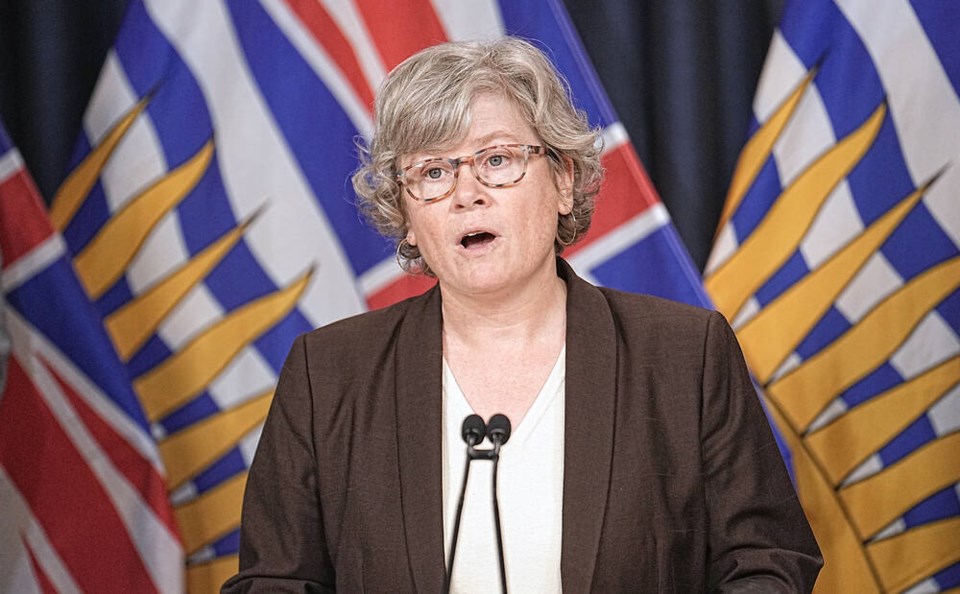
Changes to provincial regulations are set to offer legal protections for health-care workers against potential lawsuits arising from involuntary care. This shift aims to “immunize” these professionals from legal repercussions while providing care to patients in emergency situations. The new measures come as health systems across the region continue to grapple with the challenges posed by staffing shortages and increased patient demands.
The provincial governments announced these changes in September 2023, highlighting that the intention is to provide reassurance to health-care workers. By shielding them from legal action, the authorities hope to encourage more individuals to step forward and assist in critical care situations without fear of litigation.
Despite the positive outlook for health-care workers, critics of the new regulations have raised concerns about the potential implications for patient care. According to a spokesperson for an advocacy group, the changes will have “absolutely no impact at all on care.” They argue that while protections for workers are necessary, the focus should also remain on ensuring high-quality patient outcomes.
The issue of liability in health care has been a longstanding concern. Legal actions can arise when patients experience adverse outcomes, even in situations where health-care professionals have acted in good faith. By implementing these legal protections, provinces aim to create an environment where health-care workers feel secure in their roles, especially during high-pressure scenarios.
Some health-care professionals have expressed mixed feelings about the changes. While many welcome the legal protections, others worry that it might lead to complacency in delivering care. The balance between protecting health-care workers and maintaining accountability for patient outcomes remains a critical discussion point.
As provinces move forward with these changes, the focus will likely shift to monitoring their impact on both health-care delivery and patient safety. The effectiveness of these legal protections will need to be assessed over time to ensure that they achieve their intended goals without compromising the quality of care.
In summary, the recent regulatory changes provide a framework aimed at safeguarding health-care workers from legal consequences in involuntary care situations. While the initiative is expected to bolster the workforce, the ongoing dialogue regarding its implications for patient care will be essential in shaping future policies.

Fem Tech: A New Frontier in Women’s Health or Corporate Exploitation?

Ottawa Charge Coach Carla MacLeod Reveals Breast Cancer Diagnosis

French Firm Atelier Bois d’ici Launches Family-Friendly Tiny XXL Home

Moss Street Market Faces Disruption from Custodian Shortage

Arms Producers Surge to Record Revenue of $679 Billion in 2024

Surrey Schools Honors 243 Retirees at Celebratory Dinner

Ontario’s Healthcare Faces Crisis: Lessons from UK’s Privatization

Thanksgiving Mass Unites Community in Spirit of Gratitude

Wabanaki Artifacts Spark Innovative Collaboration at UNB

Toyoake City Proposes Daily Two-Hour Smartphone Use Limit

B.C. Review Reveals Urgent Need for Rare-Disease Drug Reforms

Pedestrian Fatally Injured in Esquimalt Collision on August 14

Dark Adventure Game “Bye Sweet Carole” Set for October Release

Jimmy Lai’s Defense Challenges Charges Under National Security Law

Victoria’s Pop-Up Shop Shines Light on B.C.’s Wolf Cull

Konami Revives Iconic Metal Gear Solid Delta Ahead of Release

Apple Expands Self-Service Repair Program to Canada

Snapmaker U1 Color 3D Printer Redefines Speed and Sustainability
-
 Science3 months ago
Toyoake City Proposes Daily Two-Hour Smartphone Use Limit
-
 Health3 months ago
B.C. Review Reveals Urgent Need for Rare-Disease Drug Reforms
-
 Top Stories3 months ago
Pedestrian Fatally Injured in Esquimalt Collision on August 14
-
 Technology3 months ago
Dark Adventure Game “Bye Sweet Carole” Set for October Release
-
 World3 months ago
Jimmy Lai’s Defense Challenges Charges Under National Security Law
-
 Lifestyle3 months ago
Victoria’s Pop-Up Shop Shines Light on B.C.’s Wolf Cull
-
 Technology3 months ago
Konami Revives Iconic Metal Gear Solid Delta Ahead of Release
-
 Technology3 months ago
Apple Expands Self-Service Repair Program to Canada
-
 Technology3 months ago
Snapmaker U1 Color 3D Printer Redefines Speed and Sustainability
-

 Technology3 months ago
AION Folding Knife: Redefining EDC Design with Premium Materials
-

 Technology3 months ago
Solve Today’s Wordle Challenge: Hints and Answer for August 19
-

 Business3 months ago
Gordon Murray Automotive Unveils S1 LM and Le Mans GTR at Monterey