
Science
AI-Generated Trump Audio Sparks Controversy Over Epstein Files

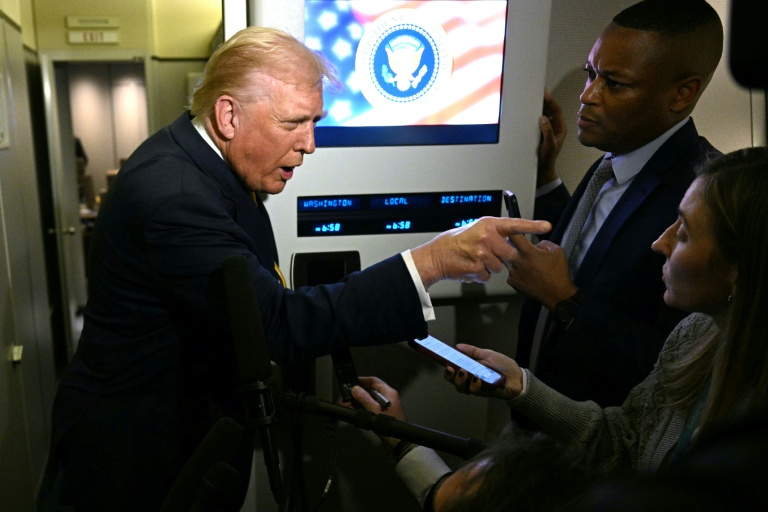
A manipulated audio clip featuring a synthetic voice purportedly imitating former President Donald Trump has gained significant traction among left-leaning social media users. The clip suggests Trump is demanding that U.S. officials prevent the release of documents related to disgraced financier Jeffrey Epstein. This development comes as renewed scrutiny over the so-called Epstein files has intensified in U.S. political discourse.
The audio, which inaccurately depicts Trump as threatening to expose others if documents are released, states, “Not releasing the Epstein files. If I go down, I will bring all of you down with me.” This synthetic clip, shared widely across platforms like TikTok and Instagram, has attracted millions of views and sparked thousands of comments.
According to disinformation watchdog NewsGuard, the audio is a fabrication created using Sora, OpenAI’s text-to-video model. Initially posted by a TikTok user, the clip has circulated in various formats that obscure its AI origins, making it difficult for viewers to identify its authenticity. The misleading content has contributed to an ongoing crisis of misinformation that affects public understanding of significant political issues.
In addition to the AI-generated clip, social media users have misquoted White House Press Secretary Karoline Leavitt. Posts circulating on platforms claim that Leavitt stated the recently released Epstein emails do not mention Trump, asserting, “It is not President Trump who is in the Epstein emails. It is another person with the same name.” This claim, which has attracted over four million views, has been denied by a White House account, which responded directly to the misinformation.
The dissemination of these falsehoods illustrates the pervasive nature of disinformation within a politically polarized environment in the United States. As social media platforms become increasingly unmoderated, ordinary users face challenges in distinguishing between factual information and misleading narratives.
Despite claims of no involvement, Trump recently signed a bill requiring his administration to release government documents concerning Epstein. This move marks a significant shift, as the former president had previously resisted calls for transparency. On March 13, 2024, Trump’s decision to support the legislation sent shockwaves through Washington, enabling the bill to navigate Congress with surprising ease.
Yet, insiders are cautious, noting that even with the president’s endorsement, his administration might utilize redactions, procedural delays, or ongoing federal investigations to keep sensitive information from the public eye. Epstein, who was arrested in 2019 on trafficking charges, had long been associated with elite circles, maintaining ties with influential figures in business, politics, and entertainment. The uproar surrounding his arrest has fueled demands for a comprehensive investigation into his network and financial dealings.
As the conversation about the Epstein files unfolds, the implications of this AI-generated audio and the surrounding misinformation highlight ongoing challenges in the realm of digital communication and its impact on public perception.

Australia Implements Social Media Ban for Under-16s After Tragedy

Seniors Take Action: Effective Strategies to Prevent Falls

W.J. Mouat Hawks Fall Short in 3A Provincial Final Against Tweedsmuir

Hong Kong Student Demands Inquiry After Fatal Fire Incident

Brandon University Hosts Events Celebrating Arts and Community

Australia Enacts Social Media Ban for Under-16s to Combat Harm

BC Lawmakers Propose Increased Access to Nicotine Pouches

Location Feature on X Platform Fuels Political Controversy

Alberta and B.C. Eye New Pipeline Despite Environmental Concerns

Toyoake City Proposes Daily Two-Hour Smartphone Use Limit

B.C. Review Reveals Urgent Need for Rare-Disease Drug Reforms

Pedestrian Fatally Injured in Esquimalt Collision on August 14

Dark Adventure Game “Bye Sweet Carole” Set for October Release

Jimmy Lai’s Defense Challenges Charges Under National Security Law

Victoria’s Pop-Up Shop Shines Light on B.C.’s Wolf Cull

Konami Revives Iconic Metal Gear Solid Delta Ahead of Release

Apple Expands Self-Service Repair Program to Canada

Snapmaker U1 Color 3D Printer Redefines Speed and Sustainability
-
 Science3 months ago
Toyoake City Proposes Daily Two-Hour Smartphone Use Limit
-
 Health3 months ago
B.C. Review Reveals Urgent Need for Rare-Disease Drug Reforms
-
 Top Stories3 months ago
Pedestrian Fatally Injured in Esquimalt Collision on August 14
-
 Technology3 months ago
Dark Adventure Game “Bye Sweet Carole” Set for October Release
-
 World3 months ago
Jimmy Lai’s Defense Challenges Charges Under National Security Law
-
 Lifestyle3 months ago
Victoria’s Pop-Up Shop Shines Light on B.C.’s Wolf Cull
-
 Technology3 months ago
Konami Revives Iconic Metal Gear Solid Delta Ahead of Release
-
 Technology3 months ago
Apple Expands Self-Service Repair Program to Canada
-
 Technology3 months ago
Snapmaker U1 Color 3D Printer Redefines Speed and Sustainability
-

 Technology3 months ago
AION Folding Knife: Redefining EDC Design with Premium Materials
-

 Technology3 months ago
Solve Today’s Wordle Challenge: Hints and Answer for August 19
-

 Business3 months ago
Gordon Murray Automotive Unveils S1 LM and Le Mans GTR at Monterey