
Science
B.C. Researchers Unite to Combat Superbugs in Hospitals

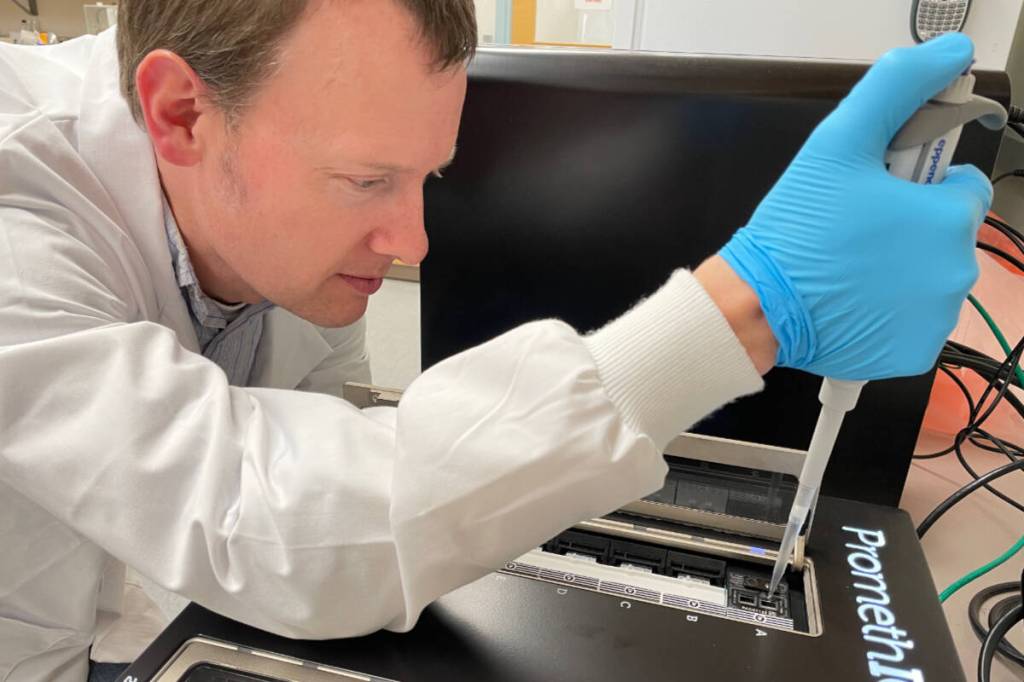
Researchers from the University of the Fraser Valley (UFV) and Simon Fraser University (SFU) are collaborating on a groundbreaking study aimed at understanding the spread of superbugs in hospital settings. These superbugs, which are strains of bacteria resistant to antibiotics, pose a significant threat to global health. According to a recent study published in The Lancet, superbugs are projected to cause more than 39 million deaths worldwide between 2025 and 2050.
In response to this alarming trend, researchers in British Columbia have initiated a pilot program focusing on the Clostridioides difficile (C. difficile) infection. This bacterium is one of the leading causes of infectious diarrhea in healthcare facilities, particularly in hospitals and long-term care centers. The study will involve collecting samples from infected patients at Abbotsford Regional Hospital, which will be analyzed to gain insights into the genetic characteristics of C. difficile strains.
Dr. Kevin Afra, executive director for antimicrobial stewardship and infection control at Fraser Health, emphasized the importance of this research. “We are hoping to learn more about whether the C. difficile we see in our hospitals is transmitted from patient to patient or whether some patients are coming into hospitals colonized with C. difficile,” Afra stated. He added that the goal of the study is to inform future antimicrobial stewardship and infection prevention strategies, ultimately enhancing patient safety in the region.
Innovative Approaches to Understanding Superbugs
The research team will conduct whole-genome sequencing on the collected samples, a method that allows scientists to map out the genetic structure of the bacteria. Dr. Will Hsiao from SFU highlighted the broader implications of the study. “Through advanced computational analysis of the sequence data, we are able to place the C. difficile from B.C. in a national and global context,” Hsiao explained. “This enables clinicians to use these insights to improve local intervention strategies.”
The study is set to take place throughout much of 2026 in SFU’s molecular biology and biochemistry department. By leveraging cutting-edge technology and collaboration, researchers aim to create a more comprehensive understanding of how superbugs operate within hospital environments.
As the threat of antibiotic-resistant bacteria continues to escalate, this research could pave the way for new strategies to combat infections. The findings from this project will not only contribute to local healthcare practices but may also have significant implications for infection control efforts globally.

Fem Tech: A New Frontier in Women’s Health or Corporate Exploitation?

Ottawa Charge Coach Carla MacLeod Reveals Breast Cancer Diagnosis

French Firm Atelier Bois d’ici Launches Family-Friendly Tiny XXL Home

Moss Street Market Faces Disruption from Custodian Shortage

Arms Producers Surge to Record Revenue of $679 Billion in 2024

Surrey Schools Honors 243 Retirees at Celebratory Dinner

Ontario’s Healthcare Faces Crisis: Lessons from UK’s Privatization

Thanksgiving Mass Unites Community in Spirit of Gratitude

Wabanaki Artifacts Spark Innovative Collaboration at UNB

Toyoake City Proposes Daily Two-Hour Smartphone Use Limit

B.C. Review Reveals Urgent Need for Rare-Disease Drug Reforms

Pedestrian Fatally Injured in Esquimalt Collision on August 14

Dark Adventure Game “Bye Sweet Carole” Set for October Release

Jimmy Lai’s Defense Challenges Charges Under National Security Law

Victoria’s Pop-Up Shop Shines Light on B.C.’s Wolf Cull

Konami Revives Iconic Metal Gear Solid Delta Ahead of Release

Apple Expands Self-Service Repair Program to Canada

Snapmaker U1 Color 3D Printer Redefines Speed and Sustainability
-
 Science3 months ago
Toyoake City Proposes Daily Two-Hour Smartphone Use Limit
-
 Health3 months ago
B.C. Review Reveals Urgent Need for Rare-Disease Drug Reforms
-
 Top Stories3 months ago
Pedestrian Fatally Injured in Esquimalt Collision on August 14
-
 Technology3 months ago
Dark Adventure Game “Bye Sweet Carole” Set for October Release
-
 World3 months ago
Jimmy Lai’s Defense Challenges Charges Under National Security Law
-
 Lifestyle3 months ago
Victoria’s Pop-Up Shop Shines Light on B.C.’s Wolf Cull
-
 Technology3 months ago
Konami Revives Iconic Metal Gear Solid Delta Ahead of Release
-
 Technology3 months ago
Apple Expands Self-Service Repair Program to Canada
-
 Technology3 months ago
Snapmaker U1 Color 3D Printer Redefines Speed and Sustainability
-

 Technology3 months ago
AION Folding Knife: Redefining EDC Design with Premium Materials
-

 Technology3 months ago
Solve Today’s Wordle Challenge: Hints and Answer for August 19
-

 Business3 months ago
Gordon Murray Automotive Unveils S1 LM and Le Mans GTR at Monterey