
Science
India Mandates Pre-Installed Cybersecurity App on Smartphones

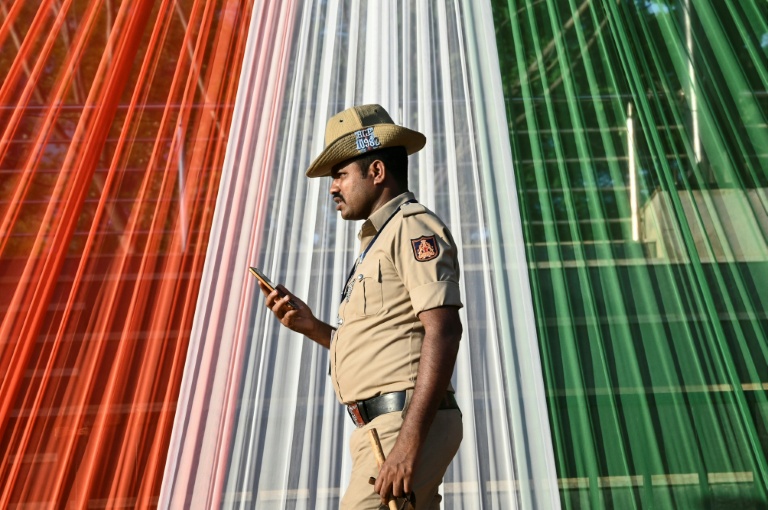
India has mandated that smartphone manufacturers pre-install a government-run cybersecurity application, known as Sanchar Saathi, which cannot be uninstalled by users. This directive affects the nation’s vast population of 1.16 billion mobile phone users, raising significant concerns regarding privacy and surveillance. The government claims the app will enhance user protection against fraud, but critics argue it represents an alarming expansion of state control.
New Delhi issued the order late on Monday, providing manufacturers with 90 days to comply. According to the official press release, the app must be “pre-installed on all mobile handsets manufactured or imported for use in India.” The government emphasized that the application should be “readily visible and accessible to end users at the time of first use or device setup” and that its functionalities must remain intact.
The Sanchar Saathi app offers features designed to assist users in blocking and tracking lost or stolen devices. Additionally, it allows users to identify and disconnect fraudulent mobile subscriptions under their name. Official figures indicate that the app has already been instrumental in tracing more than 2.6 million phones.
Despite the stated benefits, rights advocates and opposition politicians have expressed serious concerns about the implications of this order. The Internet Freedom Foundation (IFF) described the directive as a “sharp and deeply worrying expansion of executive control over personal digital devices.” In a statement on social media platform X, the IFF remarked, “The state is asking every smartphone user in India to accept an open-ended, updatable surveillance capability on their primary personal device, without the basic guardrails that a constitutional democracy should insist on.”
Cybersecurity expert Nikhil Pahwa characterized the new regulations as an invasion of privacy. He raised critical questions about the potential for the app to access unencrypted files and messages on users’ devices. Pahwa’s comments on X underscored the potential risk, stating, “How do we know this app isn’t used to access files and messaging on our device? This is clearly an invasion of our privacy.”
The political response has also been stark. Members of the opposition Congress party, led by politician KC Venugopal, have called for an immediate repeal of the order, labeling the move as unconstitutional. Venugopal stated, “Big Brother cannot watch us. A pre-loaded government app that cannot be uninstalled is a dystopian tool to monitor every Indian.” He warned that this initiative could enable the government to surveil every movement, interaction, and decision of its citizens.
This situation echoes a similar directive issued in August 2023 by Russia, which mandated the inclusion of a new messaging platform called Max on all new phones and tablets. Rights advocates in that case also raised alarms about the potential for the app to serve as a powerful surveillance tool.
As the debate continues, the impact of the Indian government’s order on privacy rights and digital freedom remains to be seen. The global community watches closely as this policy unfolds, recognizing its potential implications for personal freedoms in the digital age.

RCMP Limits Use of Chinese-Made Drones Over Security Concerns

Indiana University’s Jewish Studies Program Faces Controversy

Vestas Boosts Production in Poland for Germany’s Wind Energy Surge

Thunder Bay Students Served Over 5,000 Free Soups

India Mandates Pre-Installed Cybersecurity App on Smartphones

Experts Question Quebec’s Plan to Merge Health Agencies Amid Concerns

UN Report Warns AI Could Widen Global Wealth Gaps

Canada Women’s Soccer Team Falls to Japan, Extending Streak to Five Losses

Pope Leo XIV Visits Beirut, Leads Mass and Remembers Tragedy

Toyoake City Proposes Daily Two-Hour Smartphone Use Limit

B.C. Review Reveals Urgent Need for Rare-Disease Drug Reforms

Pedestrian Fatally Injured in Esquimalt Collision on August 14

Dark Adventure Game “Bye Sweet Carole” Set for October Release

Jimmy Lai’s Defense Challenges Charges Under National Security Law

Victoria’s Pop-Up Shop Shines Light on B.C.’s Wolf Cull

Konami Revives Iconic Metal Gear Solid Delta Ahead of Release

Apple Expands Self-Service Repair Program to Canada

Snapmaker U1 Color 3D Printer Redefines Speed and Sustainability
-
 Science3 months ago
Toyoake City Proposes Daily Two-Hour Smartphone Use Limit
-
 Health4 months ago
B.C. Review Reveals Urgent Need for Rare-Disease Drug Reforms
-
 Top Stories4 months ago
Pedestrian Fatally Injured in Esquimalt Collision on August 14
-
 Technology3 months ago
Dark Adventure Game “Bye Sweet Carole” Set for October Release
-
 World3 months ago
Jimmy Lai’s Defense Challenges Charges Under National Security Law
-
 Lifestyle4 months ago
Victoria’s Pop-Up Shop Shines Light on B.C.’s Wolf Cull
-
 Technology3 months ago
Konami Revives Iconic Metal Gear Solid Delta Ahead of Release
-
 Technology3 months ago
Apple Expands Self-Service Repair Program to Canada
-
 Technology3 months ago
Snapmaker U1 Color 3D Printer Redefines Speed and Sustainability
-

 Technology3 months ago
AION Folding Knife: Redefining EDC Design with Premium Materials
-

 Technology4 months ago
Solve Today’s Wordle Challenge: Hints and Answer for August 19
-

 Business4 months ago
Gordon Murray Automotive Unveils S1 LM and Le Mans GTR at Monterey