
Science
McGill Researchers Create Eco-Friendly Stretchable Battery

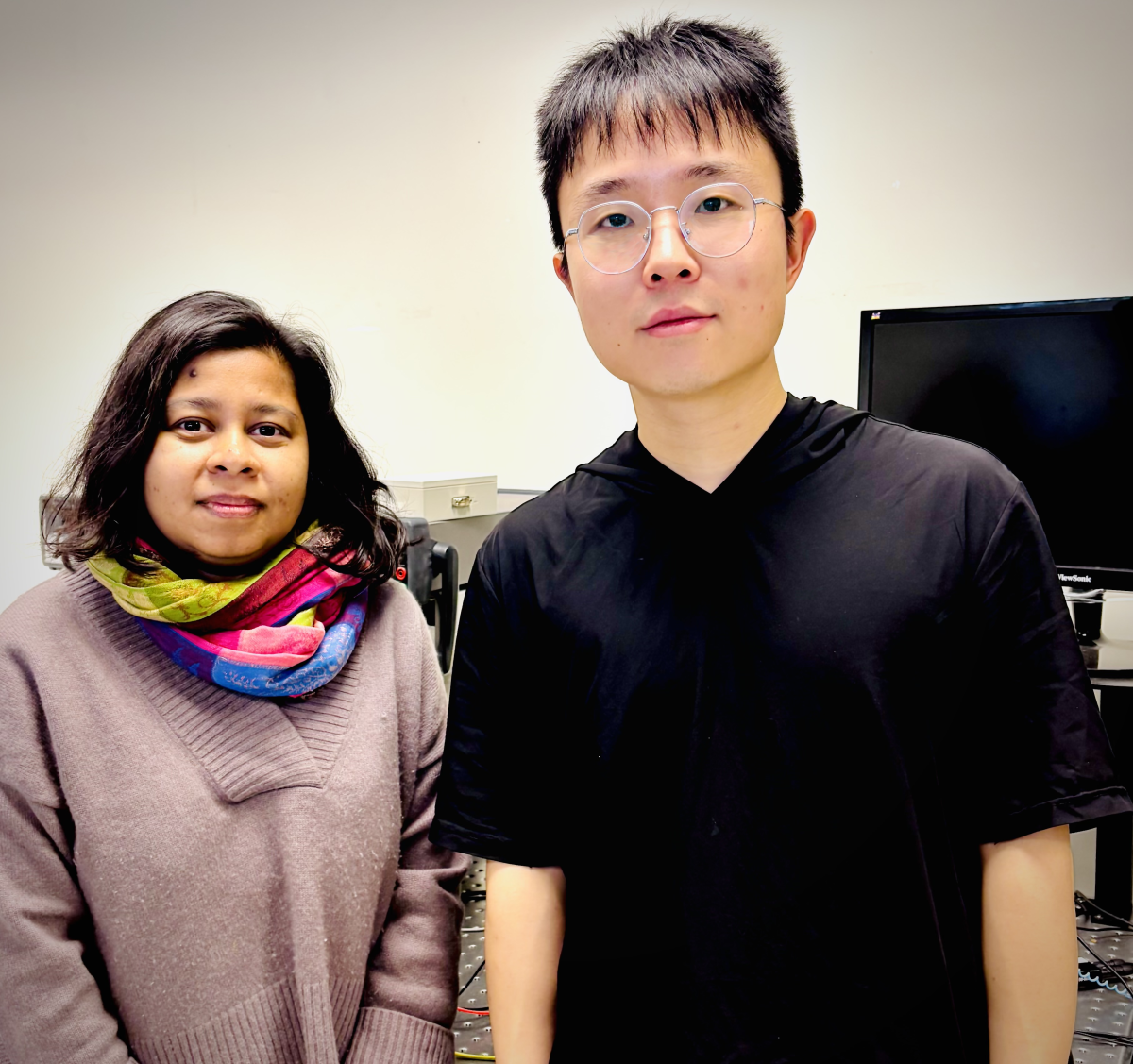
Researchers at McGill University have developed a groundbreaking stretchable and biodegradable battery designed for use in wearable and implantable devices. This innovative battery, utilizing citric or lactic acid along with gelatin, eliminates the need for toxic materials and aims to significantly reduce electronic waste.
The project, led by the Trottier Institute for Sustainability in Engineering and Design, addresses a pressing environmental concern. According to Sharmistha Bhadra, an Associate Professor of Electrical and Computer Engineering, the lab frequently discards batteries used in wearable technology. “This project asked whether we could make something biodegradable and stretchable that still performs well,” she stated.
Innovative Ingredients Enhance Performance
Traditional batteries often rely on heavy metals for their electrodes, posing environmental hazards. In a significant shift, the McGill team replaced these harmful components with magnesium and molybdenum, materials recognized for their biodegradability. Previous studies indicated that magnesium-based batteries typically underperformed compared to conventional options. To tackle this issue, researchers experimented with two natural acids—lactic acid and citric acid—combined with gelatin, ultimately discovering that these additives improved battery performance.
Junzhi Liu, a doctoral student leading the development and testing of the battery, explained the chemical interactions involved. “Magnesium can generate a layer that stops the reaction between electrolyte and electrode,” he noted. “We found we could break down this layer with citric or lactic acid and increase the battery’s lifetime and its voltage.”
Bhadra drew inspiration for the use of citric acid from a familiar childhood science project. “Many people make a lemon battery as kids, where you connect a copper wire to a light. The lemon has enough ions to conduct electricity,” she explained.
Designing for Flexibility
To achieve the required stretchability, the researchers suspended both acids in gelatin and applied a kirigami pattern to the battery structure. This technique allows the material to bend and stretch without breaking. While kirigami designs have previously been utilized in stretchable electronics, their application in biodegradable batteries is a novel approach.
The researchers found their battery could be stretched up to 80 percent without compromising performance. In practical tests, the battery was integrated into a pressure sensor to simulate real-world applications. It generated slightly less power than an AA battery, producing 1.3 volts compared to the standard 1.5 volts. “We wanted to see if we could run an actual wearable or sensor,” Bhadra remarked, highlighting the battery’s potential for various applications.
The team also developed a touch-sensitive device powered by the battery, designed to be worn on a finger. This design shows promise not only for medical implants and wearables but also for flexible Internet-of-Things devices.
Addressing Electronic Waste
The researchers are currently seeking industry partners to further advance the project. Future steps include enhancing battery performance, miniaturizing it for implantable applications, and integrating the design with biodegradable circuits. Bhadra emphasized the importance of this work, stating, “The whole motivation is to address the growing problem of electronic waste. If you go to a landfill, you see discarded electronics piled up for years.”
The issue of electronic waste is critical, as much of it ends up in lower-income countries where recycling efforts are inadequate. The McGill team believes their biodegradable electronics could contribute to solving part of this global challenge.
This research, titled “Gelatin-Organic Acid-Based Biodegradable Batteries for Stretchable Electronics,” was published in Advanced Energy and Sustainability Research in August 2025 and was funded by the McGill Sustainability Systems Initiative. The findings represent a significant step forward in the development of environmentally friendly battery technology, potentially paving the way for a more sustainable future in electronics.

Australia Enacts Social Media Ban for Under-16s to Combat Harm

BC Lawmakers Propose Increased Access to Nicotine Pouches

Location Feature on X Platform Fuels Political Controversy

Alberta and B.C. Eye New Pipeline Despite Environmental Concerns

Brian Walshe’s Trial Begins in Wife Ana’s Disappearance Case

Brandon University Hosts Holiday Events and Performances This Week

Fem Tech: A New Frontier in Women’s Health or Corporate Exploitation?

Ottawa Charge Coach Carla MacLeod Reveals Breast Cancer Diagnosis

French Firm Atelier Bois d’ici Launches Family-Friendly Tiny XXL Home

Toyoake City Proposes Daily Two-Hour Smartphone Use Limit

B.C. Review Reveals Urgent Need for Rare-Disease Drug Reforms

Pedestrian Fatally Injured in Esquimalt Collision on August 14

Dark Adventure Game “Bye Sweet Carole” Set for October Release

Jimmy Lai’s Defense Challenges Charges Under National Security Law

Victoria’s Pop-Up Shop Shines Light on B.C.’s Wolf Cull

Konami Revives Iconic Metal Gear Solid Delta Ahead of Release

Apple Expands Self-Service Repair Program to Canada

Snapmaker U1 Color 3D Printer Redefines Speed and Sustainability
-
 Science3 months ago
Toyoake City Proposes Daily Two-Hour Smartphone Use Limit
-
 Health3 months ago
B.C. Review Reveals Urgent Need for Rare-Disease Drug Reforms
-
 Top Stories3 months ago
Pedestrian Fatally Injured in Esquimalt Collision on August 14
-
 Technology3 months ago
Dark Adventure Game “Bye Sweet Carole” Set for October Release
-
 World3 months ago
Jimmy Lai’s Defense Challenges Charges Under National Security Law
-
 Lifestyle3 months ago
Victoria’s Pop-Up Shop Shines Light on B.C.’s Wolf Cull
-
 Technology3 months ago
Konami Revives Iconic Metal Gear Solid Delta Ahead of Release
-
 Technology3 months ago
Apple Expands Self-Service Repair Program to Canada
-
 Technology3 months ago
Snapmaker U1 Color 3D Printer Redefines Speed and Sustainability
-

 Technology3 months ago
AION Folding Knife: Redefining EDC Design with Premium Materials
-

 Technology3 months ago
Solve Today’s Wordle Challenge: Hints and Answer for August 19
-

 Business3 months ago
Gordon Murray Automotive Unveils S1 LM and Le Mans GTR at Monterey