
Science
Researchers Uncover Causes of Synthetic Emerald-Green Pigment Degradation

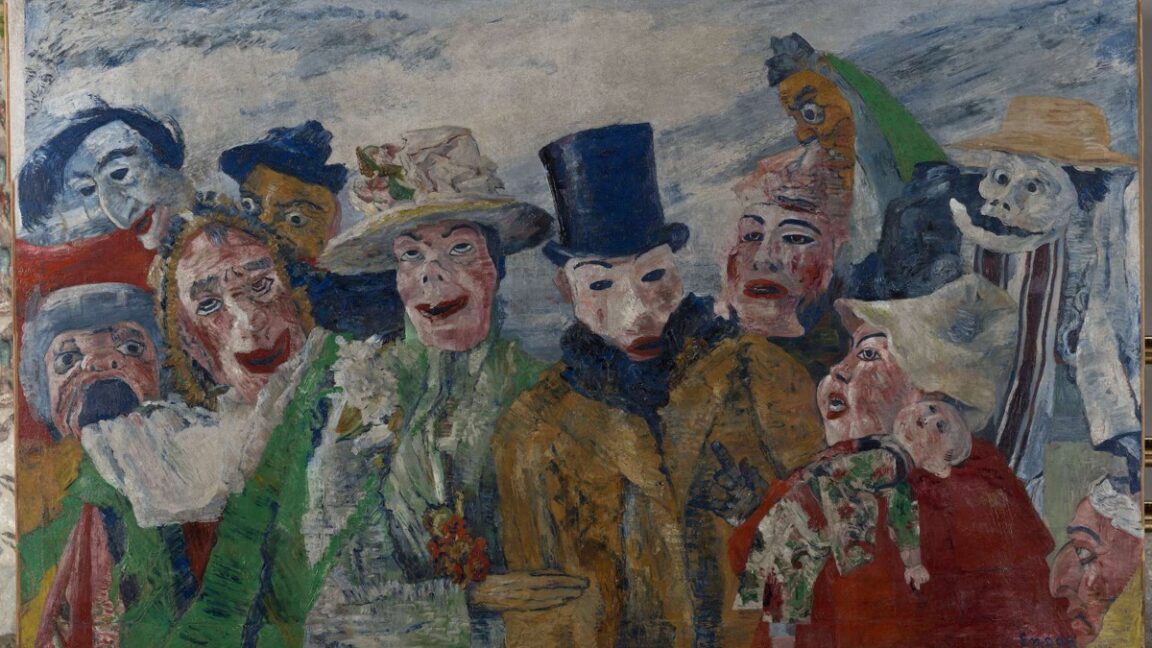
The degradation of synthetic emerald-green pigments has been a significant concern for art conservators. Recent research published in the journal Science Advances reveals that light and humidity are key factors in this deterioration process. Led by scientists from the University of Perugia, the study provides insights into the degradation mechanisms affecting these vibrant pigments, which were highly sought after by renowned artists like Paul Cézanne, Vincent van Gogh, and Claude Monet.
The study stems from the long-standing issue that while synthetic pigments revolutionized art in the 19th century, they often lead to cracks, uneven surfaces, and the formation of harmful compounds such as copper oxides and arsenic. The research team aimed to clarify how environmental factors contribute to these problems.
Methodology and Findings
To investigate the degradation of emerald-green pigments, the researchers collected microsamples from James Ensor’s painting, The Intrigue (1890), currently held at the Royal Museum of Fine Arts in Antwerp. Using advanced techniques such as Fourier transform infrared imaging and synchrotron radiation X-ray analysis, they examined both historical and commercial samples of the pigment.
The team created mockups by mixing commercial emerald-green powders with linseed oil and subjected these samples to aging tests. They discovered that humidity leads to the formation of arsenolite, which makes the paint brittle and susceptible to flaking. Conversely, exposure to light causes the pigment’s trivalent arsenic to oxidize into pentavalent compounds, resulting in a dull appearance and a white layer forming on the surface.
These findings align with previous research on other artworks, including a 2020 study on Edvard Munch’s The Scream, which revealed that humidity had a more significant impact on deterioration than light exposure.
Broader Implications for Art Conservation
The implications of this research extend beyond emerald-green pigments. For years, art conservators have grappled with the challenges posed by synthetic materials. The study underscores the importance of understanding the specific conditions that can lead to degradation, enabling more effective conservation strategies.
The Metropolitan Museum of Art in New York City is currently investigating similar deterioration issues in traditional oil paintings. Their ongoing project aims to determine the causes and mechanisms behind metal soap formations, which have been observed across various historical artworks.
As art conservators continue to adopt scientific methods to address these challenges, insights from this latest study could help preserve masterpieces for future generations. The findings emphasize the need for careful environmental control in museums and galleries, particularly to mitigate the effects of humidity and light on sensitive artworks.
With the art world increasingly reliant on scientific analysis, research like this plays a critical role in safeguarding cultural heritage. The discovery that light is a primary threat to emerald-green pigments not only enhances our understanding of art materials but also paves the way for improved conservation practices in the years to come.

Australia Enacts Social Media Ban for Under-16s to Combat Harm

BC Lawmakers Propose Increased Access to Nicotine Pouches

Location Feature on X Platform Fuels Political Controversy

Alberta and B.C. Eye New Pipeline Despite Environmental Concerns

Brian Walshe’s Trial Begins in Wife Ana’s Disappearance Case

Brandon University Hosts Holiday Events and Performances This Week

Fem Tech: A New Frontier in Women’s Health or Corporate Exploitation?

Ottawa Charge Coach Carla MacLeod Reveals Breast Cancer Diagnosis

French Firm Atelier Bois d’ici Launches Family-Friendly Tiny XXL Home

Toyoake City Proposes Daily Two-Hour Smartphone Use Limit

B.C. Review Reveals Urgent Need for Rare-Disease Drug Reforms

Pedestrian Fatally Injured in Esquimalt Collision on August 14

Dark Adventure Game “Bye Sweet Carole” Set for October Release

Jimmy Lai’s Defense Challenges Charges Under National Security Law

Victoria’s Pop-Up Shop Shines Light on B.C.’s Wolf Cull

Konami Revives Iconic Metal Gear Solid Delta Ahead of Release

Apple Expands Self-Service Repair Program to Canada

Snapmaker U1 Color 3D Printer Redefines Speed and Sustainability
-
 Science3 months ago
Toyoake City Proposes Daily Two-Hour Smartphone Use Limit
-
 Health3 months ago
B.C. Review Reveals Urgent Need for Rare-Disease Drug Reforms
-
 Top Stories3 months ago
Pedestrian Fatally Injured in Esquimalt Collision on August 14
-
 Technology3 months ago
Dark Adventure Game “Bye Sweet Carole” Set for October Release
-
 World3 months ago
Jimmy Lai’s Defense Challenges Charges Under National Security Law
-
 Lifestyle3 months ago
Victoria’s Pop-Up Shop Shines Light on B.C.’s Wolf Cull
-
 Technology3 months ago
Konami Revives Iconic Metal Gear Solid Delta Ahead of Release
-
 Technology3 months ago
Apple Expands Self-Service Repair Program to Canada
-
 Technology3 months ago
Snapmaker U1 Color 3D Printer Redefines Speed and Sustainability
-

 Technology3 months ago
AION Folding Knife: Redefining EDC Design with Premium Materials
-

 Technology3 months ago
Solve Today’s Wordle Challenge: Hints and Answer for August 19
-

 Business3 months ago
Gordon Murray Automotive Unveils S1 LM and Le Mans GTR at Monterey