
Top Stories
Can Smith and Carney Navigate Pipeline Challenges in BC?

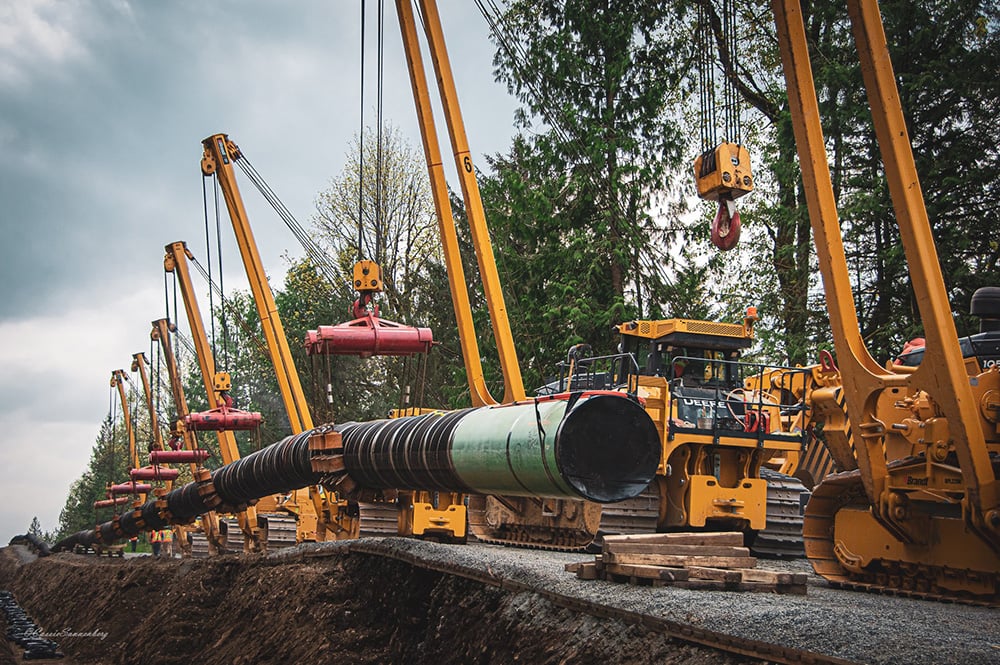
Efforts to advance a controversial pipeline project in British Columbia face significant hurdles, according to experts in constitutional law and environmental policy. Key figures, including politicians Smith and Carney, are exploring options to potentially bypass regulatory challenges, but legal scholars warn that the notwithstanding clause may not offer a straightforward solution.
The notwithstanding clause is part of the Canadian Constitution, enabling provincial legislatures to pass laws that could override certain federal court decisions. However, Dr. Steve, a noted expert on constitutional law, cautions that utilizing this clause will not be a “magic wand” for those seeking to expedite the pipeline approval process. The complexities of environmental regulations and the rights of Indigenous communities add layers of difficulty that cannot be ignored.
The proposed pipeline, which aims to transport oil from the interior of British Columbia to the coast, has been a point of contention among various stakeholders. Advocates argue that it will bolster the local economy and provide jobs, while opponents raise concerns about environmental impacts and the rights of Indigenous peoples. The Environmental Assessment Act requires thorough reviews, and bypassing these processes could lead to further legal challenges.
In a recent statement, Carney emphasized the importance of balancing economic growth with environmental stewardship. “We cannot afford to ignore the voices of the communities affected by this project,” he stated. His remarks come as public sentiment increasingly leans towards sustainable development and responsible resource management.
Engagement with Indigenous communities remains a critical factor in the pipeline’s future. Many Indigenous groups have voiced strong opposition to the project, citing potential harm to their land and resources. As negotiations continue, the focus on mutual respect and consultation will be essential for any progress to occur.
As the situation evolves, both local and national leaders will need to navigate a complex landscape of legal frameworks and public opinion. The outcome will significantly impact not only the proposed pipeline but also the broader discussion on resource management and environmental protection in Canada.
With the clock ticking on regulatory timelines, the next steps taken by Smith, Carney, and their supporters will be closely watched. The decisions made in the coming weeks could set precedents for future projects across the country, particularly in regions with sensitive ecological and cultural landscapes.

Australia Enacts Social Media Ban for Under-16s to Combat Harm

BC Lawmakers Propose Increased Access to Nicotine Pouches

Location Feature on X Platform Fuels Political Controversy

Alberta and B.C. Eye New Pipeline Despite Environmental Concerns

Brian Walshe’s Trial Begins in Wife Ana’s Disappearance Case

Brandon University Hosts Holiday Events and Performances This Week

Fem Tech: A New Frontier in Women’s Health or Corporate Exploitation?

Ottawa Charge Coach Carla MacLeod Reveals Breast Cancer Diagnosis

French Firm Atelier Bois d’ici Launches Family-Friendly Tiny XXL Home

Toyoake City Proposes Daily Two-Hour Smartphone Use Limit

B.C. Review Reveals Urgent Need for Rare-Disease Drug Reforms

Pedestrian Fatally Injured in Esquimalt Collision on August 14

Dark Adventure Game “Bye Sweet Carole” Set for October Release

Jimmy Lai’s Defense Challenges Charges Under National Security Law

Victoria’s Pop-Up Shop Shines Light on B.C.’s Wolf Cull

Konami Revives Iconic Metal Gear Solid Delta Ahead of Release

Apple Expands Self-Service Repair Program to Canada

Snapmaker U1 Color 3D Printer Redefines Speed and Sustainability
-
 Science3 months ago
Toyoake City Proposes Daily Two-Hour Smartphone Use Limit
-
 Health3 months ago
B.C. Review Reveals Urgent Need for Rare-Disease Drug Reforms
-
 Top Stories3 months ago
Pedestrian Fatally Injured in Esquimalt Collision on August 14
-
 Technology3 months ago
Dark Adventure Game “Bye Sweet Carole” Set for October Release
-
 World3 months ago
Jimmy Lai’s Defense Challenges Charges Under National Security Law
-
 Lifestyle3 months ago
Victoria’s Pop-Up Shop Shines Light on B.C.’s Wolf Cull
-
 Technology3 months ago
Konami Revives Iconic Metal Gear Solid Delta Ahead of Release
-
 Technology3 months ago
Apple Expands Self-Service Repair Program to Canada
-
 Technology3 months ago
Snapmaker U1 Color 3D Printer Redefines Speed and Sustainability
-

 Technology3 months ago
AION Folding Knife: Redefining EDC Design with Premium Materials
-

 Technology3 months ago
Solve Today’s Wordle Challenge: Hints and Answer for August 19
-

 Business3 months ago
Gordon Murray Automotive Unveils S1 LM and Le Mans GTR at Monterey