
Top Stories
Ryan Wedding Allegedly Launders Billions in Drug Profits via Cryptocurrency

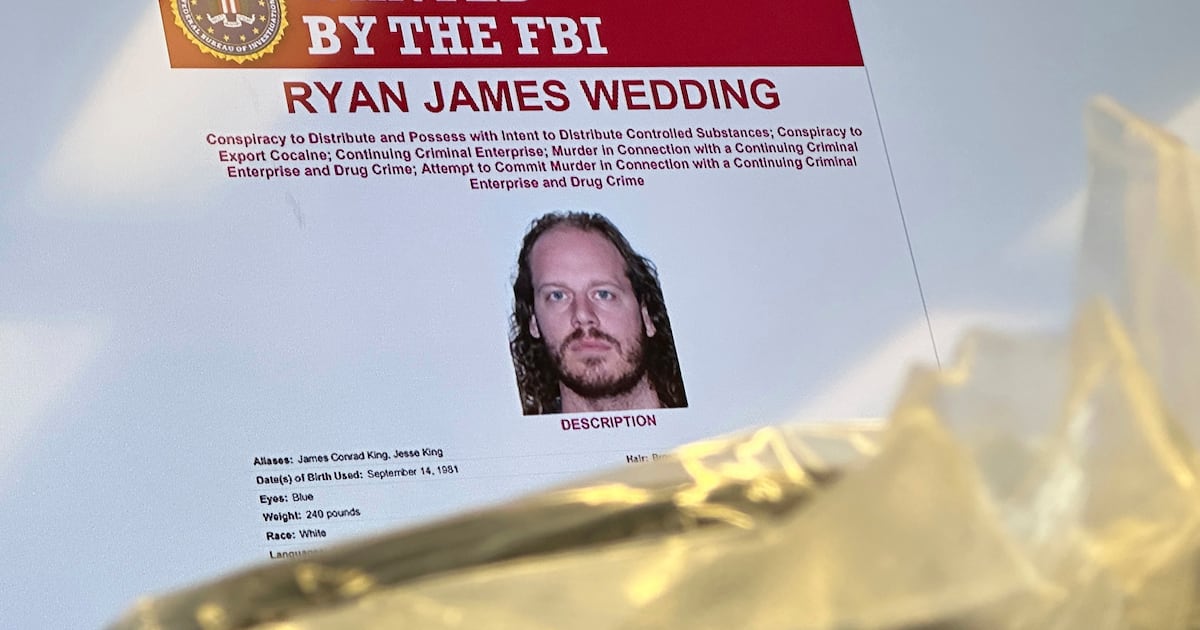
The search for Ryan Wedding, a former Canadian Olympian accused of leading a multi-billion-dollar drug empire, has unveiled new allegations regarding his methods of laundering illicit profits. The U.S. Department of Justice (DOJ) recently unsealed a 54-page indictment that claims Wedding continues to operate his alleged criminal activities while evading authorities, primarily using cryptocurrency to hide over US$1 billion in annual profits.
According to the indictment, Wedding and his network utilized the cryptocurrency Tether, a stablecoin pegged to the U.S. dollar, to obscure the proceeds from their operations. The court documents reveal a “sophisticated” system of Tether wallets used to divide large sums into smaller transactions. These funds were then shifted through intermediary wallets to a central hub controlled by Wedding. A flow chart presented in the indictment illustrates some transactions, including those involving Rasheed Pascua Hossain, a 32-year-old from Vancouver, who allegedly transferred more than US$200 million in Tether to Wedding between April and October 2024.
The indictment also outlines a transaction in which Wedding purportedly sent 564,571 Tether to purchase 300 kilograms of cocaine from a Colombian defendant. This deal allegedly involved a key witness, referred to as Victim A, whom Wedding is accused of ordering to be murdered to eliminate any testimony against him.
Hossain, known by the alias “~JP Morgan,” is one of three individuals charged in the indictment for managing and laundering Wedding’s drug income. While he was on the run when the indictment was released, he has since been apprehended. Two other defendants include Bianca Canastillo-Madrid, 37, from Mexico City, who remains at large, and Rolan Sokolovski, 37, from Toronto. Sokolovski allegedly laundered funds through his jewelry business, operating under the name “Diamond Tsar.”
Criminal Network and Cryptocurrency Utilization
U.S. authorities claim that Wedding’s associates also acted as de facto banks, investing in high-value items such as luxury vehicles and jewelry to further obscure the origins of the funds. The indictment highlights the significant role of Tether in facilitating these transactions. Carmi Levy, a technology analyst, described Tether as a foundational stablecoin that provides a less volatile method of handling money, making it appealing for both legitimate and illicit activities.
Levy noted that the anonymity associated with cryptocurrencies allows criminals to operate below the radar of law enforcement. “The larger the numbers, the greater the business case for cryptocurrency becomes. Moving large amounts of cash triggers alerts with conventional banking methods, but that is not the case with cryptocurrencies,” he stated. While blockchain technology renders all transactions traceable, the use of crypto wallets complicates the identification of individuals behind these transactions.
Government Response and Ongoing Investigation
As authorities continue their pursuit of Wedding, the U.S. Department of the Treasury has imposed sanctions against him, effectively severing his access to the U.S. and global financial systems. John Hurley, Under Secretary for Terrorism and Financial Intelligence, emphasized the consequences for anyone assisting Wedding. “We will find you, cut you off from the U.S. financial system, and help our DOJ partners bring you to justice,” he warned.
The investigation has led to sanctions against nine other individuals and entities linked to Wedding, including his attorney, Deepak Paradkar. Not all sanctioned individuals face criminal charges, but the scope of the investigation indicates a wide-reaching network.
As of now, the reward for information leading to Wedding’s arrest has increased from US$10 million to US$15 million. Authorities believe the 44-year-old is currently in Mexico, possibly under the protection of the Sinaloa Cartel. Wedding was first identified as the ringleader of this international drug operation in 2024, with connections to multiple murders in Ontario, further complicating the law enforcement efforts to apprehend him.
The ongoing developments in this case highlight the intersection of cryptocurrency and organized crime, prompting discussions about regulatory measures for digital currencies in both the United States and Canada. As investigators work to dismantle Wedding’s network, the implications of cryptocurrency in facilitating criminal enterprises remain a focal point for authorities.

Fem Tech: A New Frontier in Women’s Health or Corporate Exploitation?

Ottawa Charge Coach Carla MacLeod Reveals Breast Cancer Diagnosis

French Firm Atelier Bois d’ici Launches Family-Friendly Tiny XXL Home

Moss Street Market Faces Disruption from Custodian Shortage

Arms Producers Surge to Record Revenue of $679 Billion in 2024

Surrey Schools Honors 243 Retirees at Celebratory Dinner

Ontario’s Healthcare Faces Crisis: Lessons from UK’s Privatization

Thanksgiving Mass Unites Community in Spirit of Gratitude

Wabanaki Artifacts Spark Innovative Collaboration at UNB

Toyoake City Proposes Daily Two-Hour Smartphone Use Limit

B.C. Review Reveals Urgent Need for Rare-Disease Drug Reforms

Pedestrian Fatally Injured in Esquimalt Collision on August 14

Dark Adventure Game “Bye Sweet Carole” Set for October Release

Jimmy Lai’s Defense Challenges Charges Under National Security Law

Victoria’s Pop-Up Shop Shines Light on B.C.’s Wolf Cull

Konami Revives Iconic Metal Gear Solid Delta Ahead of Release

Apple Expands Self-Service Repair Program to Canada

Snapmaker U1 Color 3D Printer Redefines Speed and Sustainability
-
 Science3 months ago
Toyoake City Proposes Daily Two-Hour Smartphone Use Limit
-
 Health3 months ago
B.C. Review Reveals Urgent Need for Rare-Disease Drug Reforms
-
 Top Stories3 months ago
Pedestrian Fatally Injured in Esquimalt Collision on August 14
-
 Technology3 months ago
Dark Adventure Game “Bye Sweet Carole” Set for October Release
-
 World3 months ago
Jimmy Lai’s Defense Challenges Charges Under National Security Law
-
 Lifestyle3 months ago
Victoria’s Pop-Up Shop Shines Light on B.C.’s Wolf Cull
-
 Technology3 months ago
Konami Revives Iconic Metal Gear Solid Delta Ahead of Release
-
 Technology3 months ago
Apple Expands Self-Service Repair Program to Canada
-
 Technology3 months ago
Snapmaker U1 Color 3D Printer Redefines Speed and Sustainability
-

 Technology3 months ago
AION Folding Knife: Redefining EDC Design with Premium Materials
-

 Technology3 months ago
Solve Today’s Wordle Challenge: Hints and Answer for August 19
-

 Business3 months ago
Gordon Murray Automotive Unveils S1 LM and Le Mans GTR at Monterey