
World
ICC President Rejects Pressure from US and Russia Amid Sanctions

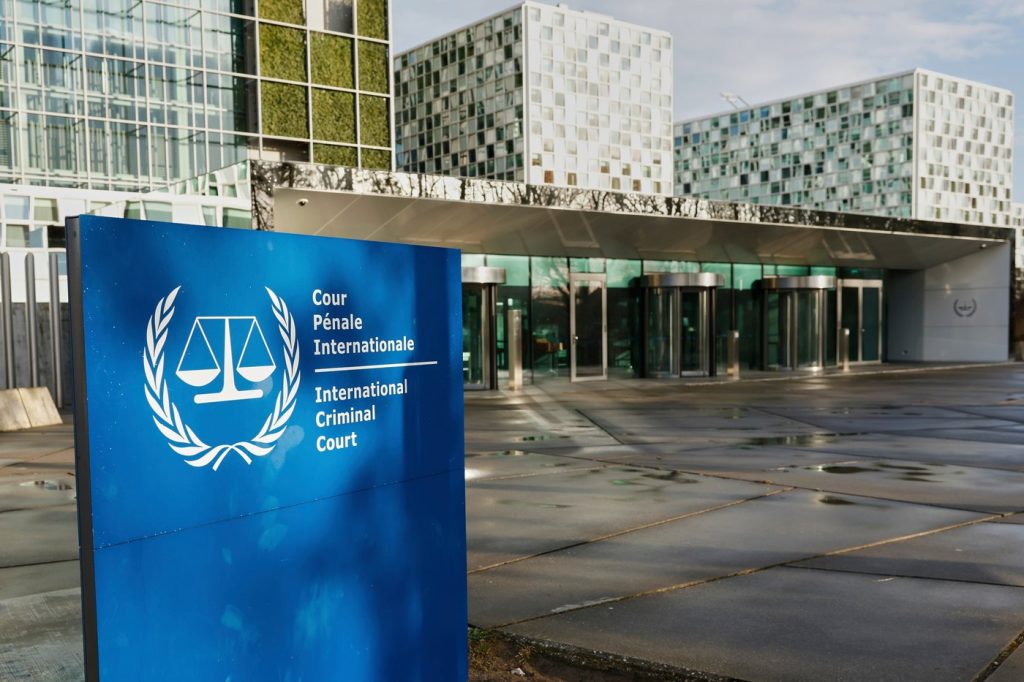
The president of the International Criminal Court (ICC), Judge Tomoko Akane, asserted that the court will not yield to pressure from the United States or Russia during its annual meeting held in The Hague on October 16, 2023. This declaration comes in the wake of sanctions imposed by the U.S. and retaliatory actions from Russia against court staff following ongoing investigations into alleged war crimes.
In recent months, nine ICC staff members, including six judges and the chief prosecutor, have faced sanctions from U.S. President Donald Trump. These sanctions were enacted due to the court’s investigations involving U.S. and Israeli officials. Concurrently, Russia has issued warrants for ICC personnel as a response to an arrest warrant for President Vladimir Putin, connected to the ongoing conflict in Ukraine.
“We never accept any kind of pressure,” Judge Akane told representatives from the ICC’s 125 member states. The sanctions have significantly impacted the court’s ability to conduct its work, particularly as it grapples with increasing demands on its resources.
In her address last year, Judge Akane expressed concerns over threats posed by the incoming Trump administration. Shortly after taking office, Trump signed an executive order that targeted Prosecutor Karim Khan for his investigations into Israel, a key ally of the U.S. The ICC has issued arrest warrants for Israeli Prime Minister Benjamin Netanyahu and former defense minister Yoav Gallant for their alleged roles in war crimes linked to Israel’s military operations in Gaza following the attacks by Hamas on October 7, 2023.
Challenges Facing the ICC
The weeklong meeting of the ICC commenced with discussions surrounding its budget, amid increasing scrutiny and negative media coverage. Established in 2002, the ICC serves as the world’s permanent court to prosecute individuals for serious crimes, including war crimes, crimes against humanity, genocide, and the crime of aggression. Notably, major powers such as the U.S., Israel, Russia, and China are not members of the court.
The ICC acts primarily when nations are either unable or unwilling to prosecute these crimes within their own jurisdictions. Lacking a police force, the court relies on member states to carry out its arrest warrants.
Adding to the court’s challenges, Prosecutor Karim Khan has temporarily stepped down while an investigation into allegations of sexual misconduct is underway. He has denied these allegations. Päivi Kaukoranta, the president of the Assembly of States Parties, acknowledged that the investigation has taken longer than anticipated. “I am well aware that states have been frustrated with the length of this process,” she stated in her opening remarks, yet no timeline has been established for the investigation’s completion.
As the ICC navigates these complex challenges, its ability to maintain independence and uphold its mandate remains a focal point for member states and the international community.

Airbus Updates Software on A320 Fleet, Resolves Flight Control Issue

Airbus Resolves Software Glitch Impacting A320 Fleet

ICC President Rejects Pressure from US and Russia Amid Sanctions

Toronto Schools Share Principal to Cut Costs, Parents Concerned

Ivanhoe Mines Launches Africa’s Largest Copper Smelter

Peel Child Care Crisis Leaves Parents Scrambling for Solutions

GunZ: The Duel Unveils Second Global Playtest Set for December

Maximize Project Efficiency with Scissor Lift Rentals Today

Sudden Flooding Devastates Communities in Sri Lanka’s Capital

Toyoake City Proposes Daily Two-Hour Smartphone Use Limit

B.C. Review Reveals Urgent Need for Rare-Disease Drug Reforms

Pedestrian Fatally Injured in Esquimalt Collision on August 14

Dark Adventure Game “Bye Sweet Carole” Set for October Release

Jimmy Lai’s Defense Challenges Charges Under National Security Law

Victoria’s Pop-Up Shop Shines Light on B.C.’s Wolf Cull

Konami Revives Iconic Metal Gear Solid Delta Ahead of Release

Apple Expands Self-Service Repair Program to Canada

Snapmaker U1 Color 3D Printer Redefines Speed and Sustainability
-
 Science3 months ago
Toyoake City Proposes Daily Two-Hour Smartphone Use Limit
-
 Health3 months ago
B.C. Review Reveals Urgent Need for Rare-Disease Drug Reforms
-
 Top Stories3 months ago
Pedestrian Fatally Injured in Esquimalt Collision on August 14
-
 Technology3 months ago
Dark Adventure Game “Bye Sweet Carole” Set for October Release
-
 World3 months ago
Jimmy Lai’s Defense Challenges Charges Under National Security Law
-
 Lifestyle3 months ago
Victoria’s Pop-Up Shop Shines Light on B.C.’s Wolf Cull
-
 Technology3 months ago
Konami Revives Iconic Metal Gear Solid Delta Ahead of Release
-
 Technology3 months ago
Apple Expands Self-Service Repair Program to Canada
-
 Technology3 months ago
Snapmaker U1 Color 3D Printer Redefines Speed and Sustainability
-

 Technology3 months ago
AION Folding Knife: Redefining EDC Design with Premium Materials
-

 Technology3 months ago
Solve Today’s Wordle Challenge: Hints and Answer for August 19
-

 Business3 months ago
Gordon Murray Automotive Unveils S1 LM and Le Mans GTR at Monterey