
Technology
Samsung Launches Galaxy Z TriFold with Older Snapdragon Chip

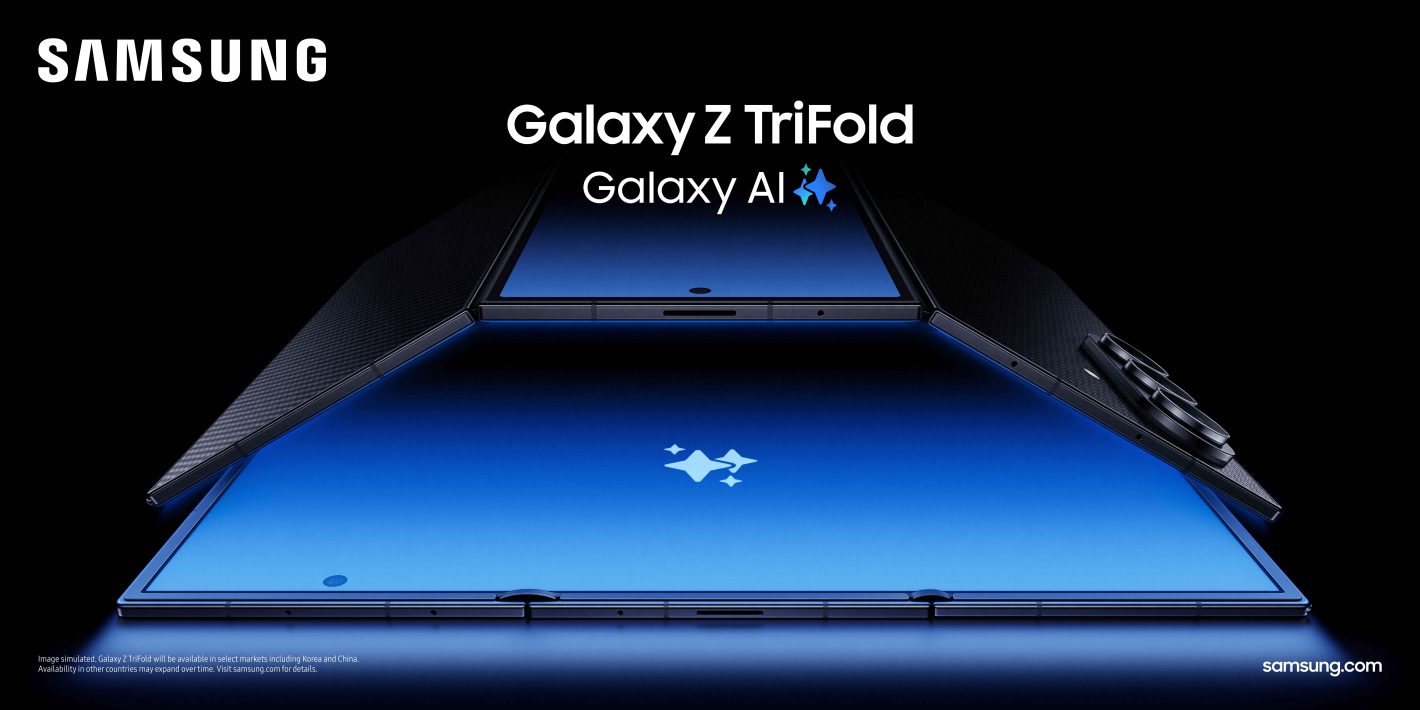
Samsung has officially unveiled the highly anticipated Galaxy Z TriFold in South Korea, with plans to release it in the United States during the first quarter of 2026. This innovative device, priced at approximately $2,447 USD, has drawn attention not only for its unique folding design but also for the choice of processor. Instead of using the latest Snapdragon 8 Elite Gen 5, Samsung opted for the older Qualcomm Snapdragon 8 Elite, raising questions among industry experts and consumers alike.
The decision was addressed by Kang Min-seok, Samsung’s Vice President of Mobile Experience’s product planning, who emphasized the company’s commitment to delivering a polished product. “It was most important to prepare a perfect and highly finished product for the TriFold. We installed this chip with a focus on creating a highly finished product,” he stated. This explanation, while clear in intent, has left some puzzled over what “perfection” entails in this context.
Samsung’s familiarity with the Snapdragon 8 Elite played a significant role in its decision. The company has been working with this processor for over a year, allowing them to fine-tune it specifically for their hardware. In contrast, the Snapdragon 8 Elite Gen 5 has only been available for about five to six months, which may not have provided Samsung with enough time to optimize it for the TriFold. This reliance on a more established chip suggests that Samsung prioritizes reliability and performance over the latest technology.
The cost considerations also cannot be ignored. The Snapdragon 8 Elite Gen 5 is estimated to cost around $280, while the Snapdragon 8 Elite is priced at approximately $220. Although the difference may seem marginal, it can significantly impact the overall production costs, especially for a high-end device like the Galaxy Z TriFold. As Samsung aims to maintain a competitive price point, choosing the less expensive processor may help manage costs.
Additionally, there have been reports of thermal issues associated with the Snapdragon 8 Elite Gen 5. Given that the Galaxy Z TriFold is a first-generation product, Samsung is likely keen to avoid potential overheating problems that could arise from using a newer, untested chip. This caution aligns with their strategy to ensure the highest quality for their flagship devices.
The Galaxy Z TriFold is set to become one of the most expensive offerings in Samsung’s folding smartphone lineup, costing around $500 more than the Galaxy Z Fold 7. Such a price tag may limit the device’s market accessibility, leading Samsung to plan for a production run of approximately 100,000 units. This limited availability reflects the company’s cautious approach to entering the foldable market with a device that demands both high performance and consumer confidence.
In summary, while the decision to use an older processor in the Galaxy Z TriFold may raise eyebrows, Samsung’s focus on delivering a polished and reliable product is evident. As the device approaches its launch in Korea next week, tech enthusiasts and consumers will be watching closely to see how it performs in the competitive landscape of foldable smartphones.

Three Officers Injured in Gunfire Exchange with Suspect in Omaha

Stay Alert in Meetings: Expert Tips to Combat Sleepiness

Hamm Institute Welcomes Mark P. Mills as Distinguished Fellow

Dimmick School Third Graders Launch ‘Small School, Big Hearts’ Toy Drive

Quantum Computing Breakthrough Promises Faster Drug Development

Nurses Warn of More Manitoba Health Centres Facing Grey-Listing

Algoma Steel’s Planned Layoffs Confirmed by CEO Amid $500M Loan

Palestinian Women Enrich Book Club Amid Ongoing Conflict

Bank of Canada to Announce Final Interest Rate Update for 2025

Toyoake City Proposes Daily Two-Hour Smartphone Use Limit

B.C. Review Reveals Urgent Need for Rare-Disease Drug Reforms

Pedestrian Fatally Injured in Esquimalt Collision on August 14

Dark Adventure Game “Bye Sweet Carole” Set for October Release

Jimmy Lai’s Defense Challenges Charges Under National Security Law

Victoria’s Pop-Up Shop Shines Light on B.C.’s Wolf Cull

Konami Revives Iconic Metal Gear Solid Delta Ahead of Release

Apple Expands Self-Service Repair Program to Canada

Snapmaker U1 Color 3D Printer Redefines Speed and Sustainability
-
 Science3 months ago
Toyoake City Proposes Daily Two-Hour Smartphone Use Limit
-
 Health4 months ago
B.C. Review Reveals Urgent Need for Rare-Disease Drug Reforms
-
 Top Stories4 months ago
Pedestrian Fatally Injured in Esquimalt Collision on August 14
-
 Technology3 months ago
Dark Adventure Game “Bye Sweet Carole” Set for October Release
-
 World3 months ago
Jimmy Lai’s Defense Challenges Charges Under National Security Law
-
 Lifestyle4 months ago
Victoria’s Pop-Up Shop Shines Light on B.C.’s Wolf Cull
-
 Technology4 months ago
Konami Revives Iconic Metal Gear Solid Delta Ahead of Release
-
 Technology4 months ago
Apple Expands Self-Service Repair Program to Canada
-
 Technology4 months ago
Snapmaker U1 Color 3D Printer Redefines Speed and Sustainability
-

 Technology3 months ago
AION Folding Knife: Redefining EDC Design with Premium Materials
-

 Technology4 months ago
Solve Today’s Wordle Challenge: Hints and Answer for August 19
-

 Business4 months ago
Gordon Murray Automotive Unveils S1 LM and Le Mans GTR at Monterey