
Technology
Canada’s Conservation Goals at Risk Under New Leadership

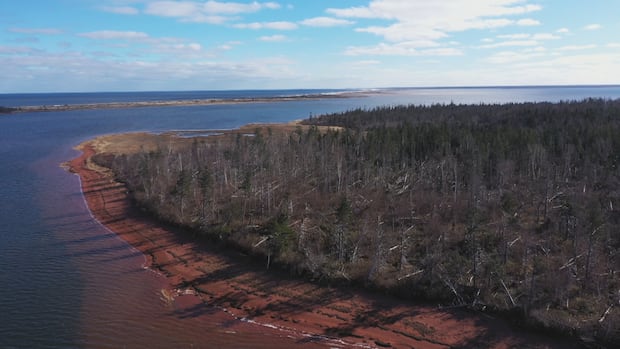
In a significant shift in environmental policy, Canada’s commitment to nature conservation faces uncertainty under the leadership of Prime Minister Mark Carney. After a promising start in 2022 at the UN nature summit in Montreal, where Canada pledged to conserve 30 percent of the world’s lands and oceans by 2030, recent developments suggest a prioritization of resource development over ecological protection.
The Liberal government initially aimed to more than double the amount of protected areas across the country. However, following the resignation of former Environmental Minister Steven Guilbeault, who played a crucial role in securing the international agreement, there are growing concerns among environmentalists and Indigenous communities about the future of these commitments. Guilbeault departed from his cabinet position due to government plans to expand oil and gas resource development, raising alarms about a potential rollback of conservation initiatives.
Carney’s first federal budget, released earlier this year, notably lacks specific allocations for nature protection, focusing instead on major resource projects. This pivot has led to anxiety among advocates who fear that years of progress in biodiversity conservation could be undone.
Concerns Over Future Conservation Efforts
Among the initiatives now shrouded in uncertainty are the establishment of new national parks and the continuation of the Indigenous guardians program. This program has been instrumental in training and employing Indigenous community members to conduct conservation and research work in their traditional territories. The Seal River watershed in northwestern Manitoba has also been proposed for protection, emphasizing the importance of local management and Indigenous involvement.
James Snider, Vice President of Science, Knowledge, and Innovation for WWF-Canada, expressed concern about the diminishing priority of biodiversity in governmental decision-making related to infrastructure projects. “We risk repeating the mistakes of the past rather than envisioning a future where environment and economy go hand in hand,” he stated.
Canada is currently only about halfway to achieving its goal of protecting 30 percent of its lands and oceans, which makes the need for swift action even more pressing. Carney’s government had previously promised to enhance conservation efforts during the recent federal election campaign, including plans for ten new national parks and an expansion of urban parks, yet these pledges remain unfulfilled.
Advocates Call for Action
Environmental advocates are closely monitoring the situation, particularly as funding for the Indigenous guardians program is set to expire on March 31, 2024. Sandra Schwartz, National Executive Director for the Canadian Parks and Wilderness Society, warned that ongoing conservation projects could face significant setbacks without adequate financial support. “These projects need funds, and they can’t just be coming through philanthropic dollars,” she explained.
Several high-profile conservation projects are currently underway, including potential protected areas in the Peel River watershed in Yukon and a new national park in the South Okanagan region of British Columbia. These initiatives have involved extensive surveys and planning, much of which has been carried out by Indigenous communities. The knowledge and expertise of these communities are seen as essential to the success of conservation efforts.
Valérie Courtois, Executive Director of the Indigenous Leadership Initiative, highlighted the importance of Indigenous involvement in conservation. She noted that programs like the guardians initiative not only empower Indigenous youth but also foster a connection to their land and heritage. “When you’re an Indigenous person, the question you’re asking is what needs to stay for these landscapes to maintain,” she said.
Despite the challenges, Courtois remains optimistic. “We know from government that the guardians initiative is seen very positively. They recognize that this is a good investment,” she stated, although she acknowledged the fiscal pressures the government is facing.
When approached for comment, Environment and Climate Change Canada did not provide specific details regarding the future of Indigenous-led programs or conservation funding. In a statement, the department reiterated its commitment to achieving Canada’s conservation targets and emphasized the importance of partnerships with Indigenous peoples and other organizations.
As Canada navigates these pivotal changes in leadership and policy direction, the future of its conservation goals hangs in the balance. The need for collaborative efforts to balance economic development with ecological stewardship has never been more crucial.

Chicago Bears Stun Packers with Overtime Comeback Victory

Australian PM Orders Review of Security Agencies After Bondi Attack

International Students at USask Face Tuition Hikes, Express Concerns

Bronte Village Condo Project Faces Receivership and Road Changes

LaSalle Firefighters Spread Holiday Cheer Through Toy Drive

Thunder Duo Max Delivers Immersive 5.1.2 Atmos Sound with Four Speakers

Calgary Flames Overpower Vegas Golden Knights 6-3 with Backlund’s Brilliance

Australian PM Orders Review After Deadly Bondi Beach Attack

International Students at USask Face Tuition Hikes, Express Concerns

Toyoake City Proposes Daily Two-Hour Smartphone Use Limit

Pedestrian Fatally Injured in Esquimalt Collision on August 14

B.C. Review Reveals Urgent Need for Rare-Disease Drug Reforms

Dark Adventure Game “Bye Sweet Carole” Set for October Release

Jimmy Lai’s Defense Challenges Charges Under National Security Law

Victoria’s Pop-Up Shop Shines Light on B.C.’s Wolf Cull

Konami Revives Iconic Metal Gear Solid Delta Ahead of Release

Apple Expands Self-Service Repair Program to Canada

Snapmaker U1 Color 3D Printer Redefines Speed and Sustainability
-
 Science4 months ago
Toyoake City Proposes Daily Two-Hour Smartphone Use Limit
-
 Top Stories4 months ago
Pedestrian Fatally Injured in Esquimalt Collision on August 14
-
 Health4 months ago
B.C. Review Reveals Urgent Need for Rare-Disease Drug Reforms
-
 Technology4 months ago
Dark Adventure Game “Bye Sweet Carole” Set for October Release
-
 World4 months ago
Jimmy Lai’s Defense Challenges Charges Under National Security Law
-
 Lifestyle4 months ago
Victoria’s Pop-Up Shop Shines Light on B.C.’s Wolf Cull
-
 Technology4 months ago
Konami Revives Iconic Metal Gear Solid Delta Ahead of Release
-
 Technology4 months ago
Apple Expands Self-Service Repair Program to Canada
-
 Technology4 months ago
Snapmaker U1 Color 3D Printer Redefines Speed and Sustainability
-

 Technology4 months ago
AION Folding Knife: Redefining EDC Design with Premium Materials
-

 Technology4 months ago
Solve Today’s Wordle Challenge: Hints and Answer for August 19
-

 Business4 months ago
Gordon Murray Automotive Unveils S1 LM and Le Mans GTR at Monterey