
World
Canada Proposes 300,000-Strong Citizen Militia Amid Defence Concerns

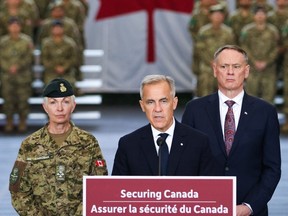
The Canadian government, led by Prime Minister Mark Carney and Chief of the Defence Staff General Jennie Carigan, has proposed the establishment of a 300,000-strong “citizen militia” during peacetime. This initiative suggests that civil servants would receive one week of military training to prepare for potential conflicts. The announcement has raised significant concerns about the feasibility and implications of such a plan.
This proposal comes at a time when Canada is grappling with its military readiness. Critics argue that the push for a citizen militia reflects a government struggling to assert its defence capabilities, particularly in light of pressures from the United States and NATO. Historically, similar mass mobilizations have been associated with nations facing imminent military threats. This raises questions about the nature of the conflicts Canada anticipates, as General Carigan recently emphasized the country’s preparedness for war.
A fundamental issue lies in the adequacy of training provided to these citizen militia members. Can a person truly become combat-ready after just one week of instruction? The core skills required for effective military service, such as weapon handling, first aid, and teamwork, typically require extensive training and experience. The notion that a brief training period could foster the necessary attributes, including leadership and unit cohesion, is contentious among military veterans.
The proposal draws parallels with the Canadian Rangers, a non-combat auxiliary force primarily composed of Indigenous personnel. Established in Canada’s northern regions, the Rangers have been lauded for their community role but lack formal combat training and mandates. Critics note that while the Rangers have garnered public support, the same respect may not extend to civil servants from urban areas participating in the proposed citizen militia.
The implications of mobilizing minimally trained militia members extend beyond mere operational capabilities. Concerns arise regarding the potential risks these individuals might pose not only to themselves but also to the professional members of the Canadian Armed Forces. Questions about the militia’s ultimate purpose and effectiveness persist, leading some to speculate that this initiative may serve more as a political statement than a genuine enhancement of national security.
In response to broader issues within the military, the Canadian government has committed nearly $82 billion over five years to rebuild and modernize its armed forces. This investment aims to address housing and healthcare challenges faced by serving military personnel, reflecting a recognition of the need for comprehensive support within the armed forces.
As discussions continue regarding the establishment of a citizen militia, the government must navigate the fine line between demonstrating military resolve and ensuring genuine preparedness. The effectiveness of such a force will depend on not only the quality of training but also the commitment and standards upheld by its members. The future of Canada’s defence strategy may hinge on the success of this proposal and the public’s perception of its legitimacy.
Canada now faces a pivotal moment in its military history, with the potential to redefine how it approaches national security amidst global challenges. The proposed citizen militia invites scrutiny and calls for a deeper examination of what it means for Canadians to serve and protect their nation.

Meta Plans Major Layoffs as AI Costs Surge

Alberta’s Referendum Could Pave Way for U.S. Statehood

Minooka District 201 Plans Enhanced Bilingual Support for Students

Canmore Approves Multiple Development Permits for New Projects

Remembering Bradly Castillo Shearsmith: A Life of Friendship and Joy

BIS Urges Watchdogs to Integrate Synthetic Risk Transfers in Stress Tests

Teva Transforms: Shifting Focus from Generics to Branded Success

Apple Launches AirPods Max 2 with Enhanced Audio Features

Ontario Ends Funding for Seven Supervised Injection Sites

Toyoake City Proposes Daily Two-Hour Smartphone Use Limit

Pedestrian Fatally Injured in Esquimalt Collision on August 14

B.C. Review Reveals Urgent Need for Rare-Disease Drug Reforms

Dark Adventure Game “Bye Sweet Carole” Set for October Release

Konami Revives Iconic Metal Gear Solid Delta Ahead of Release

Victoria’s Pop-Up Shop Shines Light on B.C.’s Wolf Cull

Jimmy Lai’s Defense Challenges Charges Under National Security Law

Snapmaker U1 Color 3D Printer Redefines Speed and Sustainability

Apple Expands Self-Service Repair Program to Canada
-
 Science11 months ago
Toyoake City Proposes Daily Two-Hour Smartphone Use Limit
-
 Top Stories11 months ago
Pedestrian Fatally Injured in Esquimalt Collision on August 14
-
 Health11 months ago
B.C. Review Reveals Urgent Need for Rare-Disease Drug Reforms
-
 Technology11 months ago
Dark Adventure Game “Bye Sweet Carole” Set for October Release
-
 Technology11 months ago
Konami Revives Iconic Metal Gear Solid Delta Ahead of Release
-
 Lifestyle11 months ago
Victoria’s Pop-Up Shop Shines Light on B.C.’s Wolf Cull
-
 World11 months ago
Jimmy Lai’s Defense Challenges Charges Under National Security Law
-
 Technology11 months ago
Snapmaker U1 Color 3D Printer Redefines Speed and Sustainability
-
 Technology11 months ago
Apple Expands Self-Service Repair Program to Canada
-

 Technology11 months ago
AION Folding Knife: Redefining EDC Design with Premium Materials
-

 Technology11 months ago
Solve Today’s Wordle Challenge: Hints and Answer for August 19
-

 Business11 months ago
Gordon Murray Automotive Unveils S1 LM and Le Mans GTR at Monterey