
Technology
Google Delays Full Transition to Gemini for Assistant Users

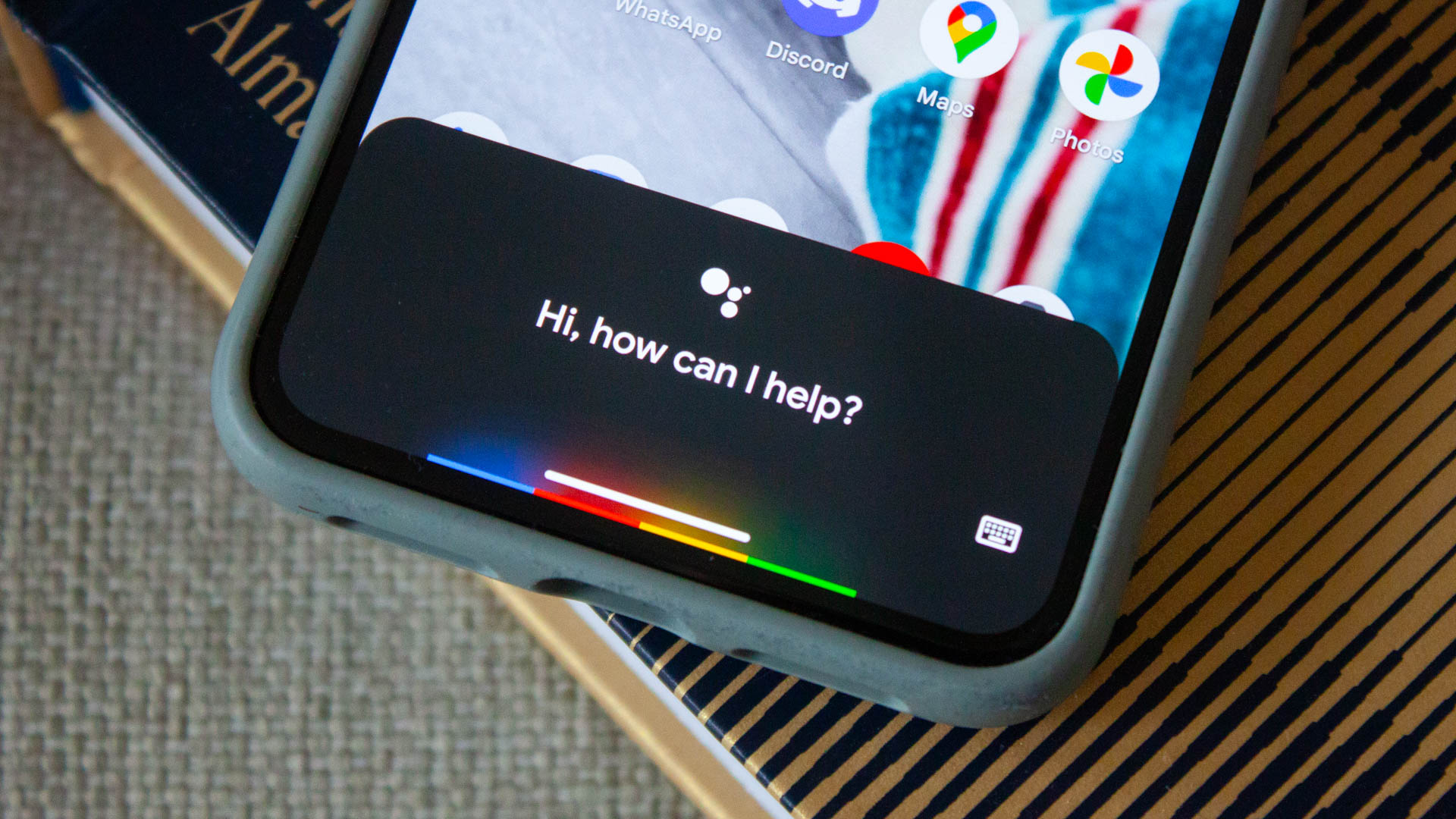
Google has announced a significant change regarding the transition from its Google Assistant to the new Gemini system. Originally scheduled for completion by the end of 2025, the company has postponed the full switch to 2026. This adjustment was confirmed in a community update released on Friday, as reported by The Verge. The decision aims to facilitate a “seamless transition” for users, who have relied on the Assistant for over a decade.
The delay is indicative of the challenges involved in migrating hundreds of millions of users from a long-standing command-and-control system to a new large language model (LLM)-based assistant. While Gemini has demonstrated impressive capabilities, such as “vibe-coding” — a method of summarizing information — it has faced difficulties with basic tasks like setting timers or controlling smart devices. This transition period allows Google to refine Gemini and achieve full feature parity with the existing Assistant.
What to Expect Moving Forward
Despite the extended timeline, the transition to Gemini is underway. The system is already the default assistant on the Pixel 10 series and is being incorporated into platforms like Wear OS, Android Auto, and Google Home. Users on older devices can expect to retain access to Google Assistant for several more months, providing them with stability as they adjust to the changes.
Once the transition is finalized in 2026, the standalone Google Assistant app will be removed from the Play Store. Devices that meet the new requirements—specifically, those running Android 10 or higher with at least 2GB of RAM—will be required to upgrade to Gemini. Internal documents suggest that March 2026 may be a critical date for certain platforms, including Android Auto, although Google has indicated that further details will be shared in the coming months.
For users who have already made the switch to Gemini and enjoy its features, the delay will not significantly impact their experience. However, those who have preferred to stick with the familiar Assistant for daily tasks will benefit from the additional time to explore Gemini’s new capabilities, which include making calls and setting timers without the need for AI training toggled on.
As the transition progresses, it is clear that Google is committed to ensuring that users have a smooth experience with Gemini. While the future of voice assistance is evolving, the path forward may take a little longer than initially planned, allowing time for improvement and adaptation.

Meta Plans Major Layoffs as AI Costs Surge

Alberta’s Referendum Could Pave Way for U.S. Statehood

Minooka District 201 Plans Enhanced Bilingual Support for Students

Canmore Approves Multiple Development Permits for New Projects

Remembering Bradly Castillo Shearsmith: A Life of Friendship and Joy

BIS Urges Watchdogs to Integrate Synthetic Risk Transfers in Stress Tests

Teva Transforms: Shifting Focus from Generics to Branded Success

Apple Launches AirPods Max 2 with Enhanced Audio Features

Ontario Ends Funding for Seven Supervised Injection Sites

Toyoake City Proposes Daily Two-Hour Smartphone Use Limit

Pedestrian Fatally Injured in Esquimalt Collision on August 14

B.C. Review Reveals Urgent Need for Rare-Disease Drug Reforms

Dark Adventure Game “Bye Sweet Carole” Set for October Release

Konami Revives Iconic Metal Gear Solid Delta Ahead of Release

Victoria’s Pop-Up Shop Shines Light on B.C.’s Wolf Cull

Jimmy Lai’s Defense Challenges Charges Under National Security Law

Snapmaker U1 Color 3D Printer Redefines Speed and Sustainability

Apple Expands Self-Service Repair Program to Canada
-
 Science11 months ago
Toyoake City Proposes Daily Two-Hour Smartphone Use Limit
-
 Top Stories11 months ago
Pedestrian Fatally Injured in Esquimalt Collision on August 14
-
 Health11 months ago
B.C. Review Reveals Urgent Need for Rare-Disease Drug Reforms
-
 Technology11 months ago
Dark Adventure Game “Bye Sweet Carole” Set for October Release
-
 Technology11 months ago
Konami Revives Iconic Metal Gear Solid Delta Ahead of Release
-
 Lifestyle11 months ago
Victoria’s Pop-Up Shop Shines Light on B.C.’s Wolf Cull
-
 World11 months ago
Jimmy Lai’s Defense Challenges Charges Under National Security Law
-
 Technology11 months ago
Snapmaker U1 Color 3D Printer Redefines Speed and Sustainability
-
 Technology11 months ago
Apple Expands Self-Service Repair Program to Canada
-

 Technology11 months ago
AION Folding Knife: Redefining EDC Design with Premium Materials
-

 Technology11 months ago
Solve Today’s Wordle Challenge: Hints and Answer for August 19
-

 Business11 months ago
Gordon Murray Automotive Unveils S1 LM and Le Mans GTR at Monterey