
Education
Canadian Schools Implement Strategies to Enhance Inclusion

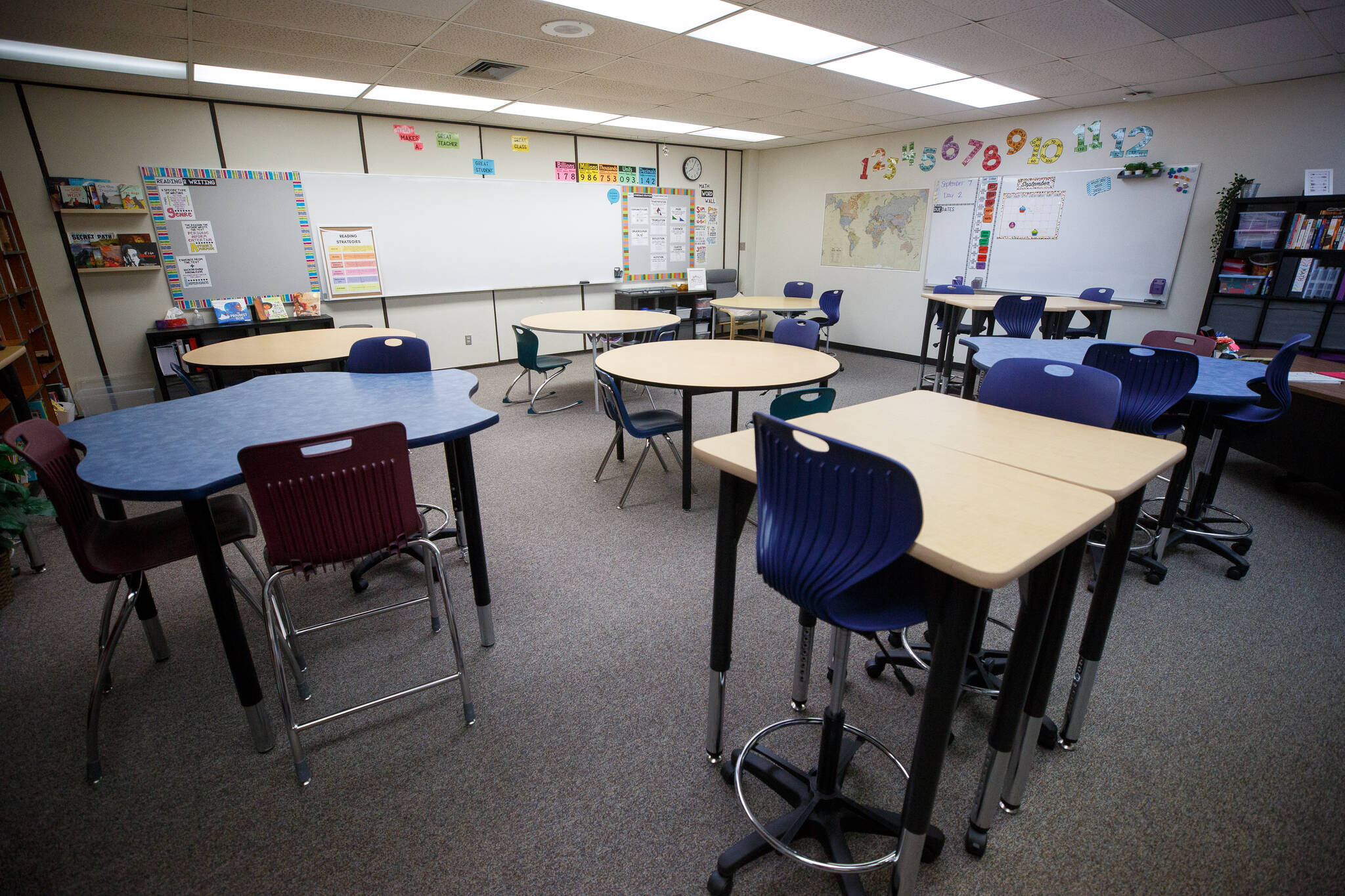
As Canada prepares for the upcoming winter break, which includes the days leading up to and following Christmas, public schools are focusing on strategies to enhance inclusion among their diverse student bodies. The approach aims to create an environment where all students feel recognized and valued, regardless of their cultural or religious backgrounds.
In recent years, many school boards across Canada have recognized that centering one religious holiday can inadvertently alienate students from different faiths. For instance, Christmas, while significant for many, does not represent the beliefs of all students in the classroom. This realization has prompted a re-evaluation of holiday celebrations and educational practices in schools.
To address these concerns, educators are adopting a range of strategies. These include integrating multicultural education into the curriculum, which allows for the representation of various cultural traditions and celebrations throughout the school year. By doing so, schools can foster a sense of belonging among students from diverse backgrounds.
In addition, some school boards are promoting the use of inclusive language and practices within the classroom. This includes recognizing various holidays and traditions, such as Hanukkah and Diwali, alongside Christmas. By acknowledging multiple celebrations, students learn to appreciate the diversity within their classrooms and the broader community.
Toronto District School Board, one of Canada’s largest school boards, has implemented several initiatives aimed at promoting inclusivity. These initiatives focus on educating students about different cultures and religions, encouraging them to engage in discussions about diversity and acceptance.
Furthermore, schools are investing in professional development for teachers, equipping them with the tools necessary to navigate sensitive topics related to culture and religion. This training helps educators create classroom environments that respect and celebrate differences, ultimately leading to a more harmonious school experience for all.
Research indicates that fostering an inclusive environment not only benefits students but also enhances academic performance. According to a study conducted by the Canadian Education Association, students who feel included are more likely to participate actively in classroom discussions and demonstrate improved learning outcomes.
As the winter break approaches, it is essential for schools to continue prioritizing inclusion within their communities. By adopting comprehensive strategies, educators can ensure that every student feels valued, regardless of their cultural or religious background. This commitment to diversity is critical in shaping a more equitable education system in Canada.
As discussions about inclusion in schools continue, it remains clear that fostering a sense of belonging is vital for students’ overall well-being. By implementing thoughtful strategies and embracing diversity, Canadian schools can create an environment that not only acknowledges but celebrates the rich tapestry of cultures represented within their classrooms.

Chicago Bears Stun Packers with Overtime Comeback Victory

Australian PM Orders Review of Security Agencies After Bondi Attack

International Students at USask Face Tuition Hikes, Express Concerns

Bronte Village Condo Project Faces Receivership and Road Changes

LaSalle Firefighters Spread Holiday Cheer Through Toy Drive

Thunder Duo Max Delivers Immersive 5.1.2 Atmos Sound with Four Speakers

Calgary Flames Overpower Vegas Golden Knights 6-3 with Backlund’s Brilliance

Australian PM Orders Review After Deadly Bondi Beach Attack

International Students at USask Face Tuition Hikes, Express Concerns

Toyoake City Proposes Daily Two-Hour Smartphone Use Limit

Pedestrian Fatally Injured in Esquimalt Collision on August 14

B.C. Review Reveals Urgent Need for Rare-Disease Drug Reforms

Dark Adventure Game “Bye Sweet Carole” Set for October Release

Jimmy Lai’s Defense Challenges Charges Under National Security Law

Victoria’s Pop-Up Shop Shines Light on B.C.’s Wolf Cull

Konami Revives Iconic Metal Gear Solid Delta Ahead of Release

Apple Expands Self-Service Repair Program to Canada

Snapmaker U1 Color 3D Printer Redefines Speed and Sustainability
-
 Science4 months ago
Toyoake City Proposes Daily Two-Hour Smartphone Use Limit
-
 Top Stories4 months ago
Pedestrian Fatally Injured in Esquimalt Collision on August 14
-
 Health4 months ago
B.C. Review Reveals Urgent Need for Rare-Disease Drug Reforms
-
 Technology4 months ago
Dark Adventure Game “Bye Sweet Carole” Set for October Release
-
 World4 months ago
Jimmy Lai’s Defense Challenges Charges Under National Security Law
-
 Lifestyle4 months ago
Victoria’s Pop-Up Shop Shines Light on B.C.’s Wolf Cull
-
 Technology4 months ago
Konami Revives Iconic Metal Gear Solid Delta Ahead of Release
-
 Technology4 months ago
Apple Expands Self-Service Repair Program to Canada
-
 Technology4 months ago
Snapmaker U1 Color 3D Printer Redefines Speed and Sustainability
-

 Technology4 months ago
AION Folding Knife: Redefining EDC Design with Premium Materials
-

 Technology4 months ago
Solve Today’s Wordle Challenge: Hints and Answer for August 19
-

 Business4 months ago
Gordon Murray Automotive Unveils S1 LM and Le Mans GTR at Monterey