
Business
Nova Scotia Ends Heat Pump Funding Program Ahead of Schedule

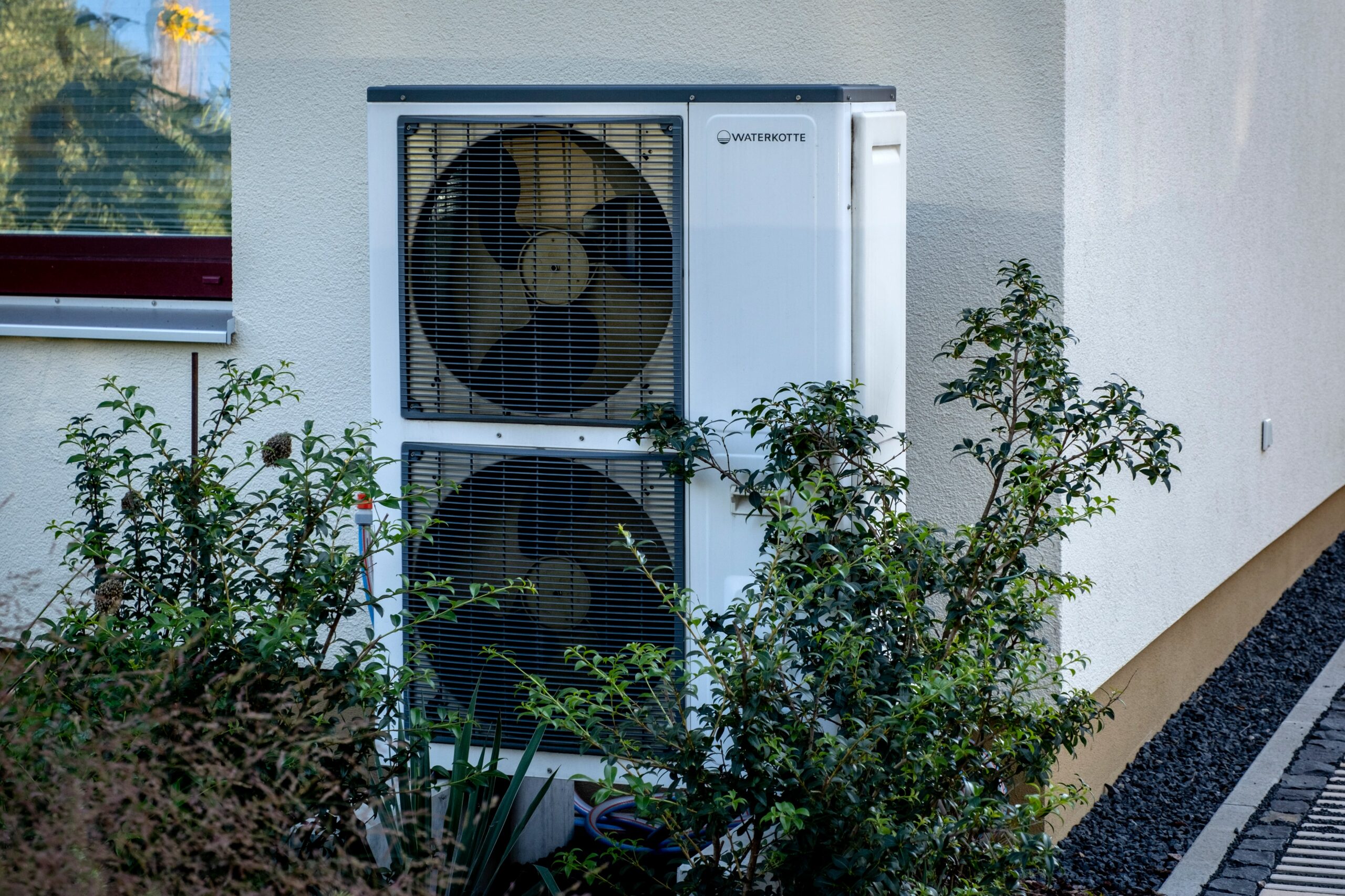
Residents of Nova Scotia will soon lose eligibility for federal funding under the Oil to Heat Pump Affordability (OHPA) program, which offers rebates of up to $15,000 for switching from oil to heat pumps. This decision means that Nova Scotia will be the only province in Canada to end its participation in the program before its scheduled conclusion in 2027. Other provinces, including Prince Edward Island, New Brunswick, Newfoundland and Labrador, Ontario, Manitoba, British Columbia, and the Yukon, will continue to benefit from the program until it wraps up.
According to Natural Resources Canada, over 9,000 households in Nova Scotia have received rebates to install heat pumps in the last three years. Brodie Sampson, owner of a heat pump company in Nova Scotia, expressed concern over the decision. He noted that Nova Scotia ranks as the second highest province in Canada for energy poverty, emphasizing how affordability issues force families to choose between heating their homes and covering essential expenses like groceries. “If we were to sell 1,000 heat pumps in a year, I would say 300-400 of those would be through the OHPA program,” he stated.
Program Funding Ends in 2026
Officials from provincial and federal governments indicated to Sampson that the program will cease operations within the next eight weeks. In response to inquiries from CTV News, Natural Resources Canada confirmed that while the OHPA program will continue in other regions until 2027, it is set to conclude in Nova Scotia next year. The department did not provide a precise timeline but noted, “Due to high demand and successful dissemination of funding in Nova Scotia, program funding will be fully committed in the province in 2026.” Residents who have not yet applied for rebates will be placed on a standby list for potential future funding.
The impact of the program has been significant for families in Nova Scotia. The Fougere family from Halifax recently transitioned from oil heat to a heat pump. “This made a real, huge difference for us in many ways,” said Mike Fougere. The installation process was costly, prompting them to seek government assistance for the removal of their oil tank, electrical upgrades, and the heat pump installation. Thanks to rebates from both the provincial and federal governments, the family ended up paying only $4,000 of the total $26,000 cost.
Alternative Funding Options Remain
While the federal heat pump program winds down, Nova Scotia will continue to offer several provincial funding options. The Nova Scotia Department of Energy confirmed that low-income households will still receive free energy upgrades, including heat pumps, through the HomeWarming Program. Additionally, all residents can apply for up to $5,000 in rebates through the Home Energy Assessment Program. For middle-income households, there remains the opportunity to access rebates of up to $15,000 through the Provincial Moderate Income Rebates Program.
The decision to end the federal funding program in Nova Scotia has raised concerns among residents and industry experts alike. As energy costs continue to rise, the availability of funding for energy-efficient upgrades becomes increasingly vital for many families struggling to manage their heating expenses.

Meta Plans Major Layoffs as AI Costs Surge

Alberta’s Referendum Could Pave Way for U.S. Statehood

Minooka District 201 Plans Enhanced Bilingual Support for Students

Canmore Approves Multiple Development Permits for New Projects

Remembering Bradly Castillo Shearsmith: A Life of Friendship and Joy

BIS Urges Watchdogs to Integrate Synthetic Risk Transfers in Stress Tests

Teva Transforms: Shifting Focus from Generics to Branded Success

Apple Launches AirPods Max 2 with Enhanced Audio Features

Ontario Ends Funding for Seven Supervised Injection Sites

Toyoake City Proposes Daily Two-Hour Smartphone Use Limit

Pedestrian Fatally Injured in Esquimalt Collision on August 14

B.C. Review Reveals Urgent Need for Rare-Disease Drug Reforms

Dark Adventure Game “Bye Sweet Carole” Set for October Release

Konami Revives Iconic Metal Gear Solid Delta Ahead of Release

Victoria’s Pop-Up Shop Shines Light on B.C.’s Wolf Cull

Jimmy Lai’s Defense Challenges Charges Under National Security Law

Snapmaker U1 Color 3D Printer Redefines Speed and Sustainability

Apple Expands Self-Service Repair Program to Canada
-
 Science12 months ago
Toyoake City Proposes Daily Two-Hour Smartphone Use Limit
-
 Top Stories12 months ago
Pedestrian Fatally Injured in Esquimalt Collision on August 14
-
 Health12 months ago
B.C. Review Reveals Urgent Need for Rare-Disease Drug Reforms
-
 Technology12 months ago
Dark Adventure Game “Bye Sweet Carole” Set for October Release
-
 Technology12 months ago
Konami Revives Iconic Metal Gear Solid Delta Ahead of Release
-
 Lifestyle12 months ago
Victoria’s Pop-Up Shop Shines Light on B.C.’s Wolf Cull
-
 World12 months ago
Jimmy Lai’s Defense Challenges Charges Under National Security Law
-
 Technology12 months ago
Snapmaker U1 Color 3D Printer Redefines Speed and Sustainability
-
 Technology12 months ago
Apple Expands Self-Service Repair Program to Canada
-

 Technology12 months ago
AION Folding Knife: Redefining EDC Design with Premium Materials
-

 Technology12 months ago
Solve Today’s Wordle Challenge: Hints and Answer for August 19
-

 Business12 months ago
Gordon Murray Automotive Unveils S1 LM and Le Mans GTR at Monterey