
Science
Researchers Uncover AI-Based Biomarker for Chronic Stress in CT Scans

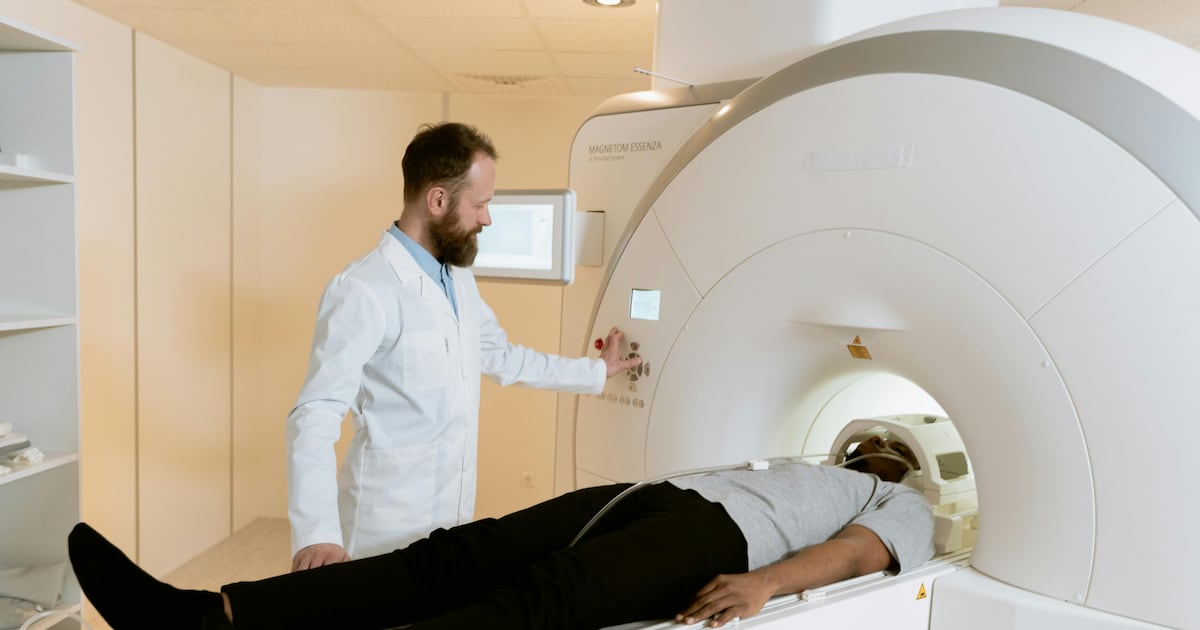
Researchers have made a significant breakthrough by identifying the first imaging-based biomarker for chronic stress. Utilizing artificial intelligence, they analyzed routine chest CT scans to help flag potential long-term health risks associated with stress. This study was presented at the annual meeting of the Radiological Society of North America in early December.
The research team developed a deep learning model capable of recognizing patterns in large datasets, specifically trained to analyze medical imaging. By focusing on the adrenal glands—small organs crucial to the body’s stress response—the researchers measured their size, linked to the production of cortisol, a hormone that indicates stress levels. This innovative approach aims to provide a more objective method to assess the biological impact of chronic stress over time.
According to Health Canada, chronic stress is associated with numerous physical and mental health issues, including heart disease and weakened immune function. Despite its prevalence, there is no standardized method to measure the cumulative effects of stress. Lead author Elena Ghotbi, a postdoctoral research fellow at The Johns Hopkins University School of Medicine, stated, “Our initial hypothesis was based on the fact that there is no widely accessible and widely approved marker which measures chronic stress in medicine and medical imaging.”
Unlike traditional cortisol tests, which provide a snapshot of stress at a given moment, measuring the volume of the adrenal glands may reflect prolonged physiological strain. The researchers calculated an Adrenal Volume Index (AVI), defined as the total volume of the adrenal glands in cubic centimeters divided by a person’s height squared in meters. Findings indicated that individuals reporting higher perceived stress levels had increased AVI compared to those with lower stress levels.
The model was validated against imaging and health data from nearly 3,000 participants in the Multi-Ethnic Study of Atherosclerosis, a long-term cohort study that correlates chest CT scans with cortisol measurements. Ghotbi emphasized that the adrenal volumes were associated with both cortisol levels and self-reported stress, as well as long-term cardiovascular outcomes.
Senior author Shadpour Demehri, a professor of radiology at Johns Hopkins, highlighted the potential of this approach to extract meaningful information from scans conducted for other reasons. “There is no quick measure of chronic stress, or objective measure of chronic stress,” he noted. The research focuses on the biological impact of stress rather than its psychological components.
Both Ghotbi and Demehri acknowledged that the findings are preliminary and require validation across diverse populations, imaging technologies, and age groups. They stressed the importance of external validation for clinical application. Nonetheless, Demehri pointed out that the ability to apply this algorithm to millions of existing CT scans underscores the untapped potential of AI in uncovering biological signals.
Data from the Canadian Medical Imaging Inventory indicates that approximately 6.4 million publicly funded CT exams were conducted in Canada during the 2022–2023 fiscal year, averaging 160 exams per 1,000 people. The survey for this data began on May 5, 2023, with primary data collection concluding on October 31, 2023.
Demehri expressed optimism about the future applications of this technology. “Just imagine this algorithm can run on all of the CT machines and extract the data we need,” he said. “While nothing is guaranteed in medicine, we are very hopeful.”

Meta Plans Major Layoffs as AI Costs Surge

Alberta’s Referendum Could Pave Way for U.S. Statehood

Minooka District 201 Plans Enhanced Bilingual Support for Students

Canmore Approves Multiple Development Permits for New Projects

Remembering Bradly Castillo Shearsmith: A Life of Friendship and Joy

BIS Urges Watchdogs to Integrate Synthetic Risk Transfers in Stress Tests

Teva Transforms: Shifting Focus from Generics to Branded Success

Apple Launches AirPods Max 2 with Enhanced Audio Features

Ontario Ends Funding for Seven Supervised Injection Sites

Toyoake City Proposes Daily Two-Hour Smartphone Use Limit

Pedestrian Fatally Injured in Esquimalt Collision on August 14

B.C. Review Reveals Urgent Need for Rare-Disease Drug Reforms

Dark Adventure Game “Bye Sweet Carole” Set for October Release

Konami Revives Iconic Metal Gear Solid Delta Ahead of Release

Victoria’s Pop-Up Shop Shines Light on B.C.’s Wolf Cull

Jimmy Lai’s Defense Challenges Charges Under National Security Law

Snapmaker U1 Color 3D Printer Redefines Speed and Sustainability

Apple Expands Self-Service Repair Program to Canada
-
 Science11 months ago
Toyoake City Proposes Daily Two-Hour Smartphone Use Limit
-
 Top Stories11 months ago
Pedestrian Fatally Injured in Esquimalt Collision on August 14
-
 Health11 months ago
B.C. Review Reveals Urgent Need for Rare-Disease Drug Reforms
-
 Technology11 months ago
Dark Adventure Game “Bye Sweet Carole” Set for October Release
-
 Technology11 months ago
Konami Revives Iconic Metal Gear Solid Delta Ahead of Release
-
 Lifestyle11 months ago
Victoria’s Pop-Up Shop Shines Light on B.C.’s Wolf Cull
-
 World11 months ago
Jimmy Lai’s Defense Challenges Charges Under National Security Law
-
 Technology11 months ago
Snapmaker U1 Color 3D Printer Redefines Speed and Sustainability
-
 Technology11 months ago
Apple Expands Self-Service Repair Program to Canada
-

 Technology11 months ago
AION Folding Knife: Redefining EDC Design with Premium Materials
-

 Technology11 months ago
Solve Today’s Wordle Challenge: Hints and Answer for August 19
-

 Business11 months ago
Gordon Murray Automotive Unveils S1 LM and Le Mans GTR at Monterey