
Top Stories
Canada Allocates Billions for Net-Zero Goals Amid New Pipeline Deal

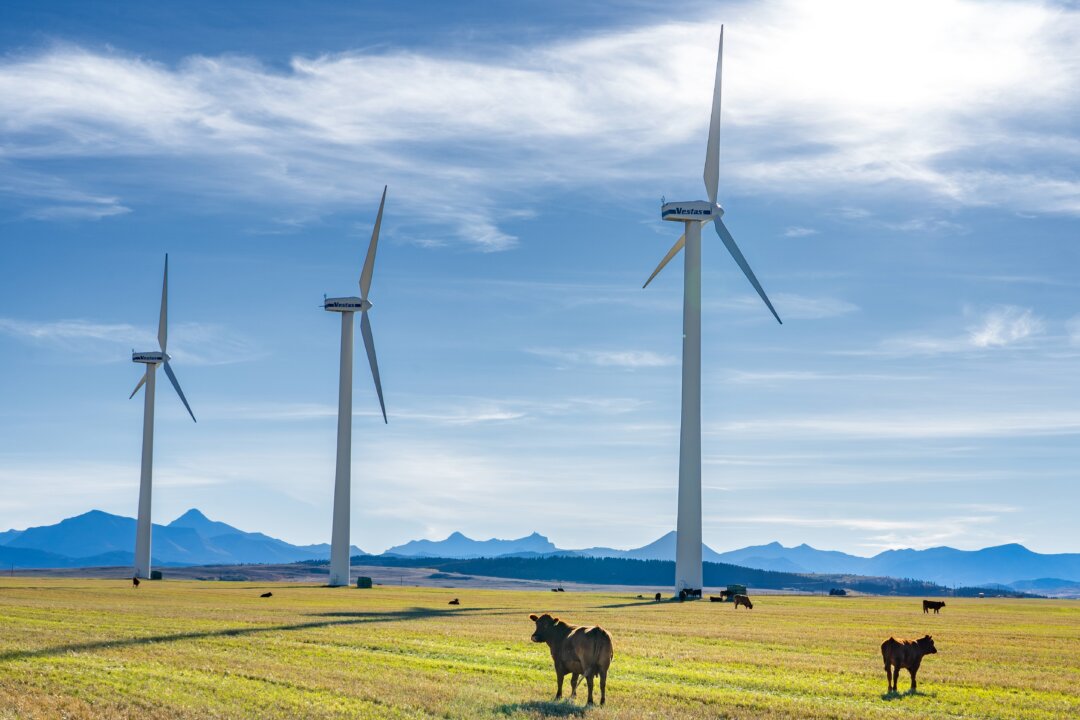
The Government of Canada is directing billions toward net-zero emissions initiatives across the country, as highlighted by a recent memorandum of understanding between Ottawa and Alberta. This agreement ties the approval of a new pipeline project to British Columbia’s coast to the ambitious $16.5 billion Pathways Alliance carbon capture project. Industry stakeholders are anticipating substantial government backing to ensure the success of this initiative.
Beyond this specific project, the financial commitment reflects a broader strategy to combat climate change. The Canadian government has allocated significant taxpayer funds at all levels, encompassing both domestic policies and international commitments. A notable aspect of this financial landscape includes a $5.3 billion international climate finance commitment announced in 2021, aimed at assisting developing countries in their efforts to tackle climate change.
Financial Implications of Canada’s Climate Strategy
The funds earmarked for net-zero initiatives represent just a fraction of the total investment being made by the Canadian government. Various programs are being implemented to facilitate the transition to a low-carbon economy, which are essential to meet both national and international climate targets.
Critics of the pipeline deal argue that while carbon capture technology is promising, it is still in the developmental stages and relies heavily on government support. The Pathways Alliance, a coalition of several major energy companies, emphasizes the necessity of this support in order to make meaningful progress toward Canada’s climate goals.
The pipeline project’s connection to the Pathways Alliance raises questions about the balance between energy development and environmental sustainability. Proponents assert that advancing projects like this can create jobs and stimulate the economy, while opponents warn of potential environmental degradation.
Broader Context of Climate Financing in Canada
Canada’s commitment to climate finance underscores its role in global efforts to address climate change. The $5.3 billion initiative is part of a multi-year funding strategy designed to empower developing nations, which often face the brunt of climate impacts despite contributing the least to greenhouse gas emissions.
This funding is critical, as many of these countries struggle with limited resources to implement effective climate strategies. The international climate finance commitment aligns with Canada’s broader climate policies, which aim to reduce national greenhouse gas emissions by 40-45% by 2030 compared to 2005 levels.
As Canada navigates its climate strategy, the interplay between energy policy and environmental responsibility will continue to be a focal point of discussion. The government’s financial initiatives highlight both the challenges and opportunities that lie ahead in the pursuit of a sustainable future.

Master Mind-Reading: 5 Techniques to Enhance Your Skills

Sarnia Council Votes to Restore Funding for Health Facility

Discover New Streaming Releases in Canada This Holiday Season

Quesnel Lotto Player Wins $46 Million in National Draw

Affectionate Cat Duo Milo and Sky Seek Loving Forever Home

Illinois Grants $9.3 Million to Enhance Education Transition Programs

Unlock Your Intuition: 5 Techniques to Enhance Empathy

Flu Hospitalizations Surge in Canada as H3N2 Dominates Cases

Canada Allocates Billions for Net-Zero Goals Amid New Pipeline Deal

Toyoake City Proposes Daily Two-Hour Smartphone Use Limit

B.C. Review Reveals Urgent Need for Rare-Disease Drug Reforms

Pedestrian Fatally Injured in Esquimalt Collision on August 14

Dark Adventure Game “Bye Sweet Carole” Set for October Release

Victoria’s Pop-Up Shop Shines Light on B.C.’s Wolf Cull

Jimmy Lai’s Defense Challenges Charges Under National Security Law

Konami Revives Iconic Metal Gear Solid Delta Ahead of Release

Apple Expands Self-Service Repair Program to Canada

Snapmaker U1 Color 3D Printer Redefines Speed and Sustainability
-
 Science4 months ago
Toyoake City Proposes Daily Two-Hour Smartphone Use Limit
-
 Health4 months ago
B.C. Review Reveals Urgent Need for Rare-Disease Drug Reforms
-
 Top Stories4 months ago
Pedestrian Fatally Injured in Esquimalt Collision on August 14
-
 Technology4 months ago
Dark Adventure Game “Bye Sweet Carole” Set for October Release
-
 Lifestyle4 months ago
Victoria’s Pop-Up Shop Shines Light on B.C.’s Wolf Cull
-
 World4 months ago
Jimmy Lai’s Defense Challenges Charges Under National Security Law
-
 Technology4 months ago
Konami Revives Iconic Metal Gear Solid Delta Ahead of Release
-
 Technology4 months ago
Apple Expands Self-Service Repair Program to Canada
-
 Technology4 months ago
Snapmaker U1 Color 3D Printer Redefines Speed and Sustainability
-

 Technology4 months ago
AION Folding Knife: Redefining EDC Design with Premium Materials
-

 Technology4 months ago
Solve Today’s Wordle Challenge: Hints and Answer for August 19
-

 Business4 months ago
Gordon Murray Automotive Unveils S1 LM and Le Mans GTR at Monterey