
Business
iRobot Enters Bankruptcy as Picea Robotics Takes Control

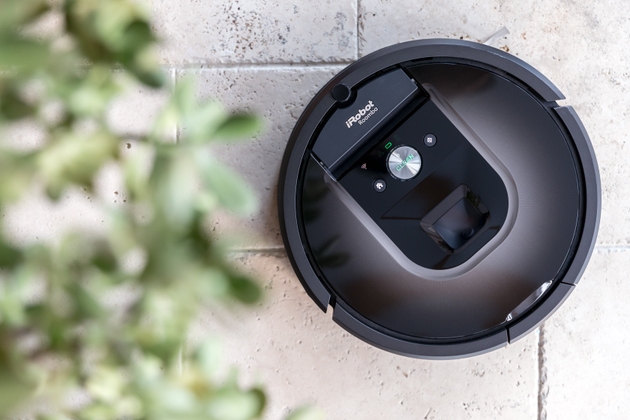
iRobot, the renowned maker of the Roomba robot vacuum, filed for bankruptcy protection in a Delaware court on September 24, 2023. This significant move is part of a restructuring plan that transfers full control of the company to its primary manufacturer, Picea Robotics. The decision comes amid increasing pressure from cheaper competitors, particularly from China, which have escalated competition in the home automation market.
The restructuring plan aims to stabilize the company, which has struggled to maintain its market position against rising rivals. The shift in control to Picea Robotics, a firm known for its manufacturing capabilities, is expected to streamline operations and reduce costs. This transition is crucial as iRobot seeks to regain its footing in a landscape marked by aggressive pricing and innovation from various competitors.
Founded in 2000, iRobot became a household name with the introduction of its robotic vacuum cleaner. The company’s flagship product, the Roomba, revolutionized home cleaning, achieving significant sales milestones. Despite its past successes, iRobot has faced financial challenges in recent years. Reports indicate that the company’s revenue has declined due to increased competition and changing consumer preferences towards more affordable robotic cleaning solutions.
As part of the bankruptcy proceedings, iRobot plans to restructure its debts and operations to focus on core products. The company has also announced intentions to explore new product lines that align with current market demands. Analysts suggest that this strategic pivot could help the company better compete against its rivals by leveraging Picea’s manufacturing expertise.
The move has sparked discussions among investors and industry experts. Some view this as a necessary step for long-term viability, while others express concerns about the implications of losing operational control. The outcome of this restructuring will be closely monitored as it unfolds, given iRobot’s prominent position in the smart home market.
The challenges faced by iRobot are indicative of broader trends within the technology and consumer electronics sectors, where companies must continually adapt to survive. With the home automation market expected to grow, the ability to innovate and offer competitive pricing will be vital for iRobot’s recovery and future success.
Investors and consumers alike will be watching closely as iRobot navigates this transitional phase. The company’s ability to rebound from this setback and redefine its market strategy will ultimately determine its fate in a fiercely competitive environment.

Meta Plans Major Layoffs as AI Costs Surge

Alberta’s Referendum Could Pave Way for U.S. Statehood

Minooka District 201 Plans Enhanced Bilingual Support for Students

Canmore Approves Multiple Development Permits for New Projects

Remembering Bradly Castillo Shearsmith: A Life of Friendship and Joy

BIS Urges Watchdogs to Integrate Synthetic Risk Transfers in Stress Tests

Teva Transforms: Shifting Focus from Generics to Branded Success

Apple Launches AirPods Max 2 with Enhanced Audio Features

Ontario Ends Funding for Seven Supervised Injection Sites

Toyoake City Proposes Daily Two-Hour Smartphone Use Limit

Pedestrian Fatally Injured in Esquimalt Collision on August 14

B.C. Review Reveals Urgent Need for Rare-Disease Drug Reforms

Dark Adventure Game “Bye Sweet Carole” Set for October Release

Konami Revives Iconic Metal Gear Solid Delta Ahead of Release

Victoria’s Pop-Up Shop Shines Light on B.C.’s Wolf Cull

Jimmy Lai’s Defense Challenges Charges Under National Security Law

Snapmaker U1 Color 3D Printer Redefines Speed and Sustainability

Apple Expands Self-Service Repair Program to Canada
-
 Science11 months ago
Toyoake City Proposes Daily Two-Hour Smartphone Use Limit
-
 Top Stories11 months ago
Pedestrian Fatally Injured in Esquimalt Collision on August 14
-
 Health11 months ago
B.C. Review Reveals Urgent Need for Rare-Disease Drug Reforms
-
 Technology11 months ago
Dark Adventure Game “Bye Sweet Carole” Set for October Release
-
 Technology11 months ago
Konami Revives Iconic Metal Gear Solid Delta Ahead of Release
-
 Lifestyle11 months ago
Victoria’s Pop-Up Shop Shines Light on B.C.’s Wolf Cull
-
 World11 months ago
Jimmy Lai’s Defense Challenges Charges Under National Security Law
-
 Technology11 months ago
Snapmaker U1 Color 3D Printer Redefines Speed and Sustainability
-
 Technology11 months ago
Apple Expands Self-Service Repair Program to Canada
-

 Technology11 months ago
AION Folding Knife: Redefining EDC Design with Premium Materials
-

 Technology11 months ago
Solve Today’s Wordle Challenge: Hints and Answer for August 19
-

 Business11 months ago
Gordon Murray Automotive Unveils S1 LM and Le Mans GTR at Monterey