
Education
School Boards Adopt Inclusive Strategies for Diverse Classrooms

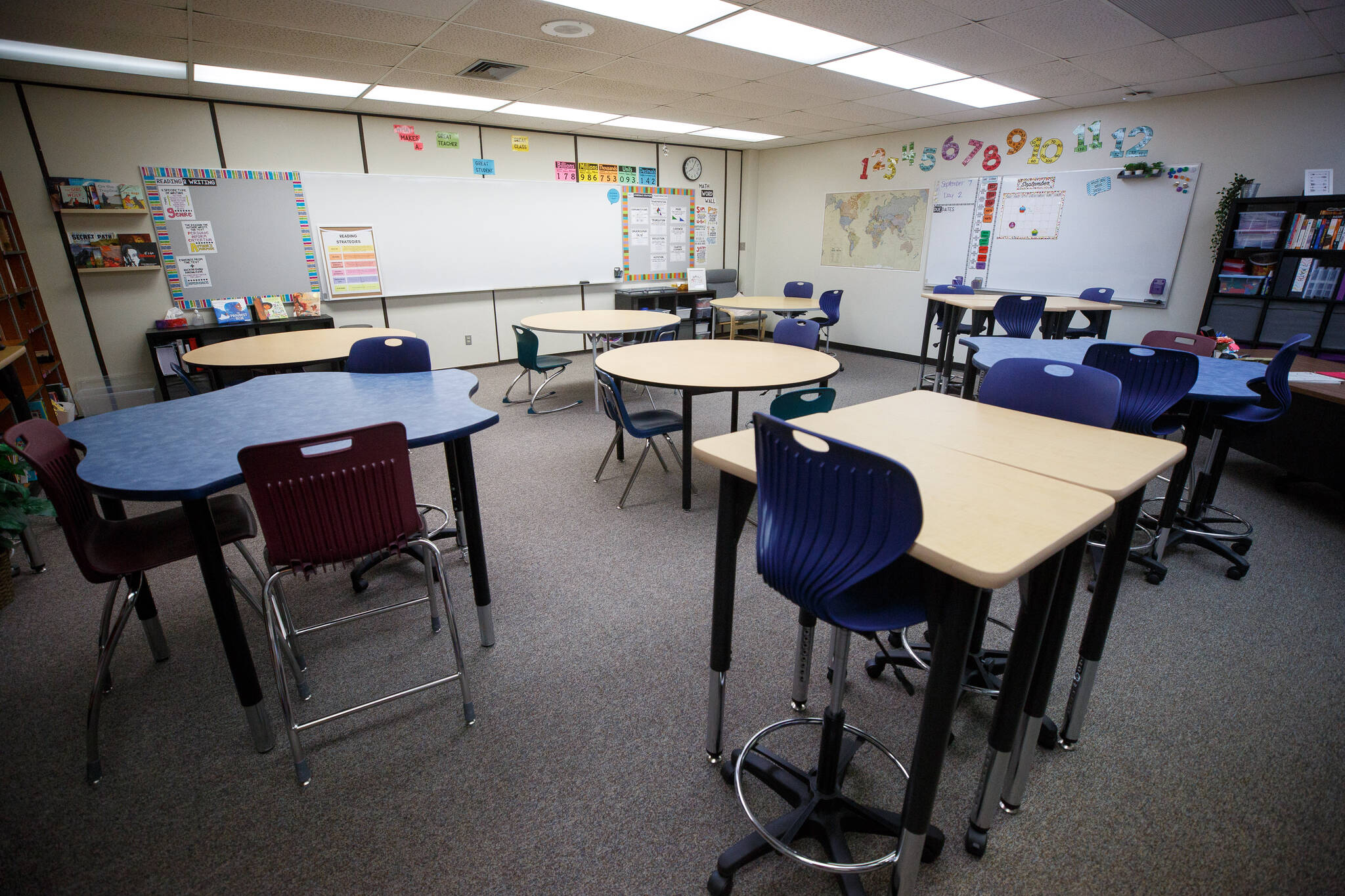
As the winter break approaches in Canada, many school boards are re-evaluating their approaches to inclusivity in the classroom. This period, which encompasses the days surrounding Christmas, has prompted discussions on how to better represent the diverse backgrounds of students in public schools.
In recent years, there has been a growing recognition that centering one religious holiday in school calendars can alienate students from various cultural and religious backgrounds. The term “winter break,” adopted by some school boards, reflects an effort to create a more inclusive environment that acknowledges the diverse communities present in schools today.
December 2023 marks the start of this initiative, with several school districts implementing adjusted curricula and holiday celebrations that embrace a broader spectrum of cultural traditions. For instance, schools are incorporating lessons that celebrate different holidays such as Hanukkah, Kwanzaa, and Diwali, alongside Christmas. This shift aims to foster an atmosphere where all students feel valued and included.
Implementation of Inclusive Practices
To support these changes, educators are receiving training on inclusive teaching strategies. Workshops led by experts in cultural competency are being organized, allowing teachers to develop skills for effectively integrating diverse perspectives into their lessons. One school board in Ontario reports that over 75% of its teachers have participated in these professional development sessions since their introduction in 2022.
The response from parents and community members has generally been positive. Many appreciate the effort to recognize and celebrate the variety of traditions represented in the classroom. “It’s essential for children to see their own cultures reflected in their education,” said Maria Lopez, a parent of two students in Toronto’s public school system. “This initiative helps build understanding and respect among peers.”
Some critics argue that the shift away from traditional holiday celebrations may dilute the significance of Christmas for those who celebrate it. Nonetheless, proponents of the inclusive strategy assert that recognizing multiple traditions does not diminish the importance of any single holiday but rather enriches the educational experience for all students.
Future of Inclusive Education in Canada
Looking ahead, the trend toward inclusive education is expected to expand. Several school boards are actively exploring additional ways to integrate cultural awareness into their curriculum beyond holiday celebrations. This includes evaluating literature, historical perspectives, and global issues through a more diverse lens.
According to a report from the Canadian Education Association, schools that prioritize inclusivity witness not only improved student engagement but also enhanced academic performance. Data from 2023 indicates that schools implementing these strategies have seen a 15% increase in overall student satisfaction ratings.
As the winter break approaches, the emphasis on creating an inclusive educational environment highlights a broader commitment to diversity in Canada’s public schools. With ongoing efforts from school boards and educators, this initiative aims to ensure that all students feel represented and respected, paving the way for a more harmonious and understanding society.

Meta Plans Major Layoffs as AI Costs Surge

Alberta’s Referendum Could Pave Way for U.S. Statehood

Minooka District 201 Plans Enhanced Bilingual Support for Students

Canmore Approves Multiple Development Permits for New Projects

Remembering Bradly Castillo Shearsmith: A Life of Friendship and Joy

BIS Urges Watchdogs to Integrate Synthetic Risk Transfers in Stress Tests

Teva Transforms: Shifting Focus from Generics to Branded Success

Apple Launches AirPods Max 2 with Enhanced Audio Features

Ontario Ends Funding for Seven Supervised Injection Sites

Toyoake City Proposes Daily Two-Hour Smartphone Use Limit

Pedestrian Fatally Injured in Esquimalt Collision on August 14

B.C. Review Reveals Urgent Need for Rare-Disease Drug Reforms

Dark Adventure Game “Bye Sweet Carole” Set for October Release

Konami Revives Iconic Metal Gear Solid Delta Ahead of Release

Victoria’s Pop-Up Shop Shines Light on B.C.’s Wolf Cull

Jimmy Lai’s Defense Challenges Charges Under National Security Law

Snapmaker U1 Color 3D Printer Redefines Speed and Sustainability

Apple Expands Self-Service Repair Program to Canada
-
 Science11 months ago
Toyoake City Proposes Daily Two-Hour Smartphone Use Limit
-
 Top Stories11 months ago
Pedestrian Fatally Injured in Esquimalt Collision on August 14
-
 Health11 months ago
B.C. Review Reveals Urgent Need for Rare-Disease Drug Reforms
-
 Technology11 months ago
Dark Adventure Game “Bye Sweet Carole” Set for October Release
-
 Technology11 months ago
Konami Revives Iconic Metal Gear Solid Delta Ahead of Release
-
 Lifestyle11 months ago
Victoria’s Pop-Up Shop Shines Light on B.C.’s Wolf Cull
-
 World11 months ago
Jimmy Lai’s Defense Challenges Charges Under National Security Law
-
 Technology11 months ago
Snapmaker U1 Color 3D Printer Redefines Speed and Sustainability
-
 Technology11 months ago
Apple Expands Self-Service Repair Program to Canada
-

 Technology11 months ago
AION Folding Knife: Redefining EDC Design with Premium Materials
-

 Technology11 months ago
Solve Today’s Wordle Challenge: Hints and Answer for August 19
-

 Business11 months ago
Gordon Murray Automotive Unveils S1 LM and Le Mans GTR at Monterey