
Business
Red Deer Council Finalizes 2026 Budget with 3.97% Tax Increase

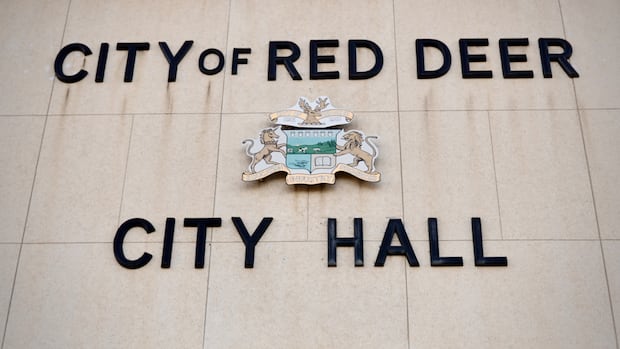
Red Deer City Council approved the final budget for 2026 during a late-night session on Tuesday, confirming a property tax increase of 3.97%. This adjustment marks a significant reduction from the initial proposal of 7.36% presented by city administration. Council members emphasized the importance of balancing fiscal responsibility with community needs, reflecting feedback from residents and businesses.
During the meeting, Councillor Kraymer Barnstable remarked on the positive shift in tax rates. “People said, ‘We want a lower tax rate increase, we want sustainability, we want predictability and that steady-as-you-go approach,’” stated Mayor Cindy Jefferies. She underscored the need for affordability amidst rising costs affecting both residents and local businesses.
In the previous year, the council had sanctioned a substantial 10.35% increase in property taxes, one of the most considerable hikes in two decades. The Red Deer Chamber of Commerce had voiced its concerns regarding the initial proposal, expressing disappointment over the potential burden on businesses. However, Frank Creasey, CEO of the Chamber, expressed gratitude for the reduction, stating, “With this current rate and the effort, and energy undertaken by the city, the chamber greatly appreciates where they’ve landed.”
Budget Details and Adjustments
The original operating budget proposed by city administration was $484.5 million, alongside a capital budget of $63.9 million. The council ultimately approved a revised operating budget of $482.6 million, while maintaining the capital budget at its original figure. The 3.97% increase translates to an additional $29.24 annually—or approximately $2.44 per month—for every $100,000 of assessed residential value on single-family homes.
To achieve this tax rate, council members identified $4 million in cuts to employee costs by anticipating temporary job vacancies and implementing efficiency improvements throughout the budget. Jefferies expressed confidence that these adjustments would not significantly impact city operations, citing historical staffing trends.
“I think that we’ll go through the year with that variance and not feel it,” she said, emphasizing the council’s commitment to maintaining a steady workforce.
In addition to the tax adjustments, the council reduced the initially proposed tax-supported operating reserve (ORTS) contribution by $1.5 million, resulting in a planned contribution of $9 million for 2026.
The stability of property tax rates was a central focus for local businesses. Creasey highlighted the importance of consistency for planning purposes. “Businesses need stability to be able to plan, not just in the short term, but in the mid-term and in the longer term,” he noted.
Community Investment and Future Goals
The finalized budget also includes an increase of $150,000 to the Community Culture Development Fund (CCDF) annually. This decision comes after recent concerns regarding funding allocations for arts and heritage organizations, which saw reduced support compared to previous years. One notable beneficiary of this year’s budget is Sunnybrook Farm, which will receive ongoing annual funding of $30,000 as a designated “legacy” organization.
Jefferies acknowledged the council’s effort to listen to community feedback, indicating that discussions around grant allocation processes would be held in future meetings. “We know that there’s a crunch for organizations,” she said, referring to the financial pressures faced by local groups.
Furthermore, the council approved ongoing annual funding of $250,000 for Tourism Red Deer, which will include requirements for annual reporting on outcomes. Other allocations include a one-time grant of $60,000 to the Central Alberta Crime Prevention Centre for 2026, as well as $100,000 designated for beautification initiatives in the downtown area and the community of Capstone.
As Red Deer moves forward, Jefferies expressed optimism about maintaining a sustainable approach to budget management. “We’ve had a history of being fairly low and then spiking up because we’re often cushioning a low or no tax increase with the use of reserves,” she noted. The objective is to operate in a more sustainable manner moving ahead, aiming for property tax increases to consistently remain within the 4% to 5% range in the future.

Meta Plans Major Layoffs as AI Costs Surge

Alberta’s Referendum Could Pave Way for U.S. Statehood

Minooka District 201 Plans Enhanced Bilingual Support for Students

Canmore Approves Multiple Development Permits for New Projects

Remembering Bradly Castillo Shearsmith: A Life of Friendship and Joy

BIS Urges Watchdogs to Integrate Synthetic Risk Transfers in Stress Tests

Teva Transforms: Shifting Focus from Generics to Branded Success

Apple Launches AirPods Max 2 with Enhanced Audio Features

Ontario Ends Funding for Seven Supervised Injection Sites

Toyoake City Proposes Daily Two-Hour Smartphone Use Limit

Pedestrian Fatally Injured in Esquimalt Collision on August 14

B.C. Review Reveals Urgent Need for Rare-Disease Drug Reforms

Dark Adventure Game “Bye Sweet Carole” Set for October Release

Konami Revives Iconic Metal Gear Solid Delta Ahead of Release

Victoria’s Pop-Up Shop Shines Light on B.C.’s Wolf Cull

Jimmy Lai’s Defense Challenges Charges Under National Security Law

Snapmaker U1 Color 3D Printer Redefines Speed and Sustainability

Apple Expands Self-Service Repair Program to Canada
-
 Science11 months ago
Toyoake City Proposes Daily Two-Hour Smartphone Use Limit
-
 Top Stories11 months ago
Pedestrian Fatally Injured in Esquimalt Collision on August 14
-
 Health11 months ago
B.C. Review Reveals Urgent Need for Rare-Disease Drug Reforms
-
 Technology11 months ago
Dark Adventure Game “Bye Sweet Carole” Set for October Release
-
 Technology11 months ago
Konami Revives Iconic Metal Gear Solid Delta Ahead of Release
-
 Lifestyle11 months ago
Victoria’s Pop-Up Shop Shines Light on B.C.’s Wolf Cull
-
 World11 months ago
Jimmy Lai’s Defense Challenges Charges Under National Security Law
-
 Technology11 months ago
Snapmaker U1 Color 3D Printer Redefines Speed and Sustainability
-
 Technology11 months ago
Apple Expands Self-Service Repair Program to Canada
-

 Technology11 months ago
AION Folding Knife: Redefining EDC Design with Premium Materials
-

 Technology11 months ago
Solve Today’s Wordle Challenge: Hints and Answer for August 19
-

 Business11 months ago
Gordon Murray Automotive Unveils S1 LM and Le Mans GTR at Monterey