
Technology
SkyTrain to Retire Entire Mark II Fleet by Late 2030s

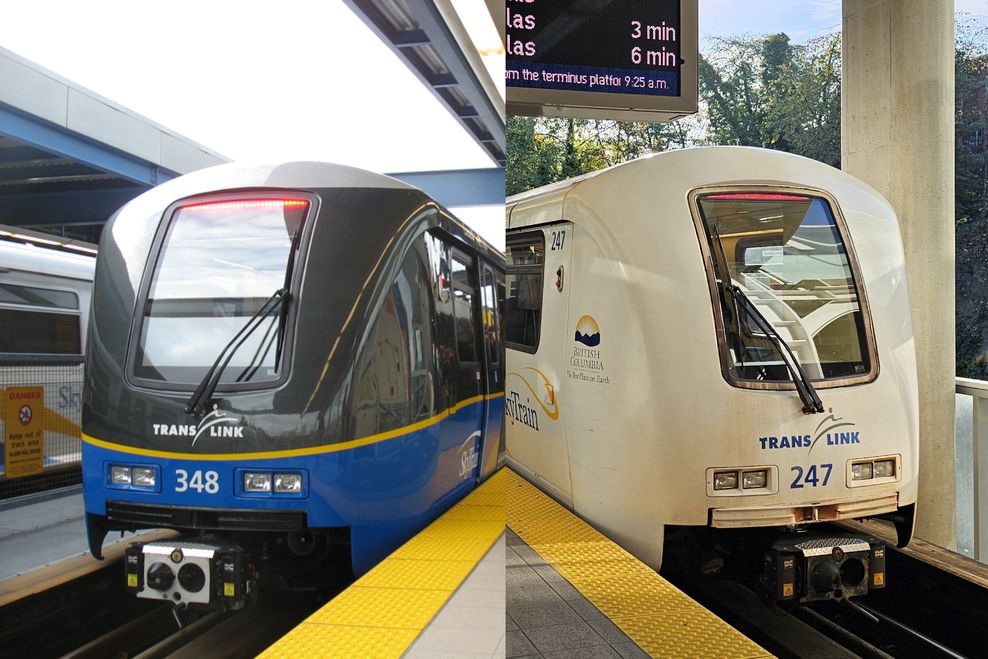
TransLink has announced plans to completely retire its fleet of Mark II train cars, which have served the Expo and Millennium lines since the early 2000s. The retirement will occur gradually, with the first batch of these second-generation trains being replaced by new-generation Mark V trains starting in 2026.
The Mark II trains were introduced in two phases: the initial batch of 60 cars was delivered between 2000 and 2002, while a second batch of 48 cars, featuring design improvements, arrived just before the 2010 Winter Olympics. The first group of Mark II trains was primarily deployed on the Millennium Line, characterized by their white exteriors and aerodynamic design. These cars, now in declining condition, have been dedicated to this line since its inception in 2002.
The second batch of Mark II cars, identifiable by TransLink’s standard charcoal grey, blue, and yellow livery, operates on the Expo Line in four-car configurations. These trains include several enhancements, such as improved seating arrangements and a modern HVAC system. Despite these upgrades, both groups of Mark II trains are showing signs of aging and will be phased out over the next decade.
TransLink anticipates the total cost for the new Mark V trains to replace the first 60 Mark II cars will reach approximately $433 million. The initial order will see an expenditure of around $51 million in 2026, with future payments continuing through 2030. The first of the new Mark V trains is expected to enter service by 2030, marking the beginning of the phased retirement for the Mark II fleet.
Transition to Modern Trains by Late 2030s
Looking further ahead, TransLink plans to replace the remaining 48 Mark II cars starting in 2033/2034, effectively retiring the entire Mark II fleet by the late 2030s. At that point, both the Expo and Millennium lines will exclusively utilize Mark V and Mark III trains, as the original Mark I cars are also set to be retired before this transition is complete.
Patrice Impey, Chief Financial Officer of TransLink, emphasized the importance of maintaining the quality of the transit system. “More than half of our capital program ensures the assets we use to deliver our current services remain in a state of good repair,” she stated during a recent board meeting. Impey stressed that investing in maintenance is crucial for the reliability and safety of public transit.
The Mark V model, which will soon dominate the fleet, has undergone significant research and development to enhance its performance and passenger comfort. Similar in structure to the Mark III trains introduced between 2016 and 2020, the Mark V cars will be longer and will feature improved technical specifications, including advanced interior designs and more comfortable seating.
Capacity Improvements and Future Prospects
TransLink has placed an initial order for 205 Mark V trains, designed to replace the aging Mark I fleet and accommodate increased ridership with the upcoming Millennium Line Broadway extension slated to open in Fall 2027. In 2024, the organization exercised its option to purchase an additional 30 Mark V cars for $123 million, bringing the total Mark V order to 235 cars, which will significantly boost capacity across both the Expo and Millennium lines.
By 2025, the peak-period capacities for the three SkyTrain lines are projected to be 14,400 passengers per hour on the Expo Line, 4,350 on the Millennium Line, and 5,800 on the Canada Line. Following the introduction of the Mark V trains, these figures will rise to 17,000 and 8,000 passengers per hour on the Expo and Millennium Lines, respectively, reflecting the growing demand for public transit services.
Future expansions of the Canada Line are also in consideration, with the potential addition of longer trains needed to meet increasing ridership demands. This phased approach to upgrading the fleet and enhancing capacity aims to ensure that TransLink can effectively serve the public while adapting to changing transportation needs in the years to come.
As the transition progresses, the retirement of the Mark II trains marks a significant step towards modernizing the SkyTrain system and improving the overall travel experience for commuters across the region.

Meta Plans Major Layoffs as AI Costs Surge

Alberta’s Referendum Could Pave Way for U.S. Statehood

Minooka District 201 Plans Enhanced Bilingual Support for Students

Canmore Approves Multiple Development Permits for New Projects

Remembering Bradly Castillo Shearsmith: A Life of Friendship and Joy

BIS Urges Watchdogs to Integrate Synthetic Risk Transfers in Stress Tests

Teva Transforms: Shifting Focus from Generics to Branded Success

Apple Launches AirPods Max 2 with Enhanced Audio Features

Ontario Ends Funding for Seven Supervised Injection Sites

Toyoake City Proposes Daily Two-Hour Smartphone Use Limit

Pedestrian Fatally Injured in Esquimalt Collision on August 14

B.C. Review Reveals Urgent Need for Rare-Disease Drug Reforms

Dark Adventure Game “Bye Sweet Carole” Set for October Release

Konami Revives Iconic Metal Gear Solid Delta Ahead of Release

Victoria’s Pop-Up Shop Shines Light on B.C.’s Wolf Cull

Jimmy Lai’s Defense Challenges Charges Under National Security Law

Snapmaker U1 Color 3D Printer Redefines Speed and Sustainability

Apple Expands Self-Service Repair Program to Canada
-
 Science11 months ago
Toyoake City Proposes Daily Two-Hour Smartphone Use Limit
-
 Top Stories11 months ago
Pedestrian Fatally Injured in Esquimalt Collision on August 14
-
 Health11 months ago
B.C. Review Reveals Urgent Need for Rare-Disease Drug Reforms
-
 Technology11 months ago
Dark Adventure Game “Bye Sweet Carole” Set for October Release
-
 Technology11 months ago
Konami Revives Iconic Metal Gear Solid Delta Ahead of Release
-
 Lifestyle11 months ago
Victoria’s Pop-Up Shop Shines Light on B.C.’s Wolf Cull
-
 World11 months ago
Jimmy Lai’s Defense Challenges Charges Under National Security Law
-
 Technology11 months ago
Snapmaker U1 Color 3D Printer Redefines Speed and Sustainability
-
 Technology11 months ago
Apple Expands Self-Service Repair Program to Canada
-

 Technology11 months ago
AION Folding Knife: Redefining EDC Design with Premium Materials
-

 Technology11 months ago
Solve Today’s Wordle Challenge: Hints and Answer for August 19
-

 Business11 months ago
Gordon Murray Automotive Unveils S1 LM and Le Mans GTR at Monterey