
World
Boeing Commemorates 30 Years of the 777 with Global Thanks

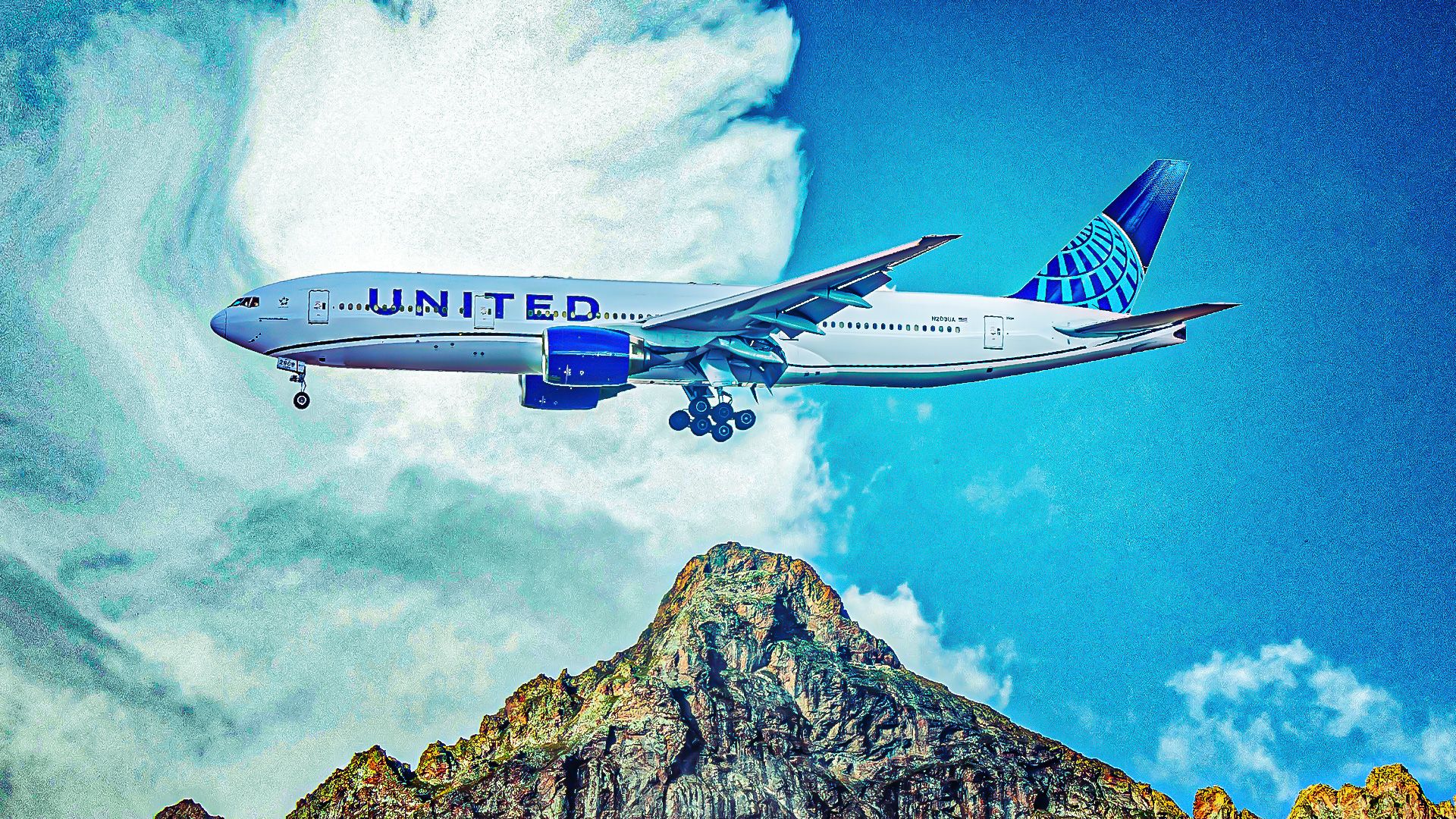
Boeing is marking the 30th anniversary of the 777, its iconic widebody aircraft, which first entered service with United Airlines in June 1995. This milestone highlights the aircraft’s remarkable journey, having transported nearly four billion passengers and delivered over 1,750 aircraft to nearly 100 customers worldwide. The next generation, the Boeing 777X, is set to debut in 2027, as the company looks to further innovate in the aviation sector.
To celebrate this anniversary, Boeing released a video featuring its employees expressing gratitude to the aircraft’s diverse customer base in more than 20 languages. This gesture reflects the strong connections built over three decades of service.
The Journey of the 777
The journey of the 777 began with its inaugural flight, UA921, taking off from London Heathrow (LHR) to Washington Dulles (IAD). The first delivery to United Airlines was a month earlier, on May 15, 1995, with the aircraft dubbed “The Ship of the Future.” Remarkably, this airframe remained operational until recently, only retiring last month and being transferred to Victorville Airport (VCV) for long-term storage.
Within the 777 program, family connections have thrived. Yuki Kojima, a former structural engineer turned sales manager, and his wife Yoko, a customer engineer for the 777X, along with their daughter Seira, a flight test engineer, shared their appreciation for the aircraft’s legacy in a heartfelt message in Japanese: “Thank you for supporting the 777 for 30 years. We look forward to continuing to work with you. Thank you very much.”
Impressive Milestones and Future Prospects
Over its operational lifespan, the global 777 fleet has accumulated approximately 49 billion miles in flight, equivalent to over 237,000 trips to the moon and back. The aircraft holds several significant records, including the longest non-stop flight in aviation history, a feat achieved in 2005 when it flew 11,664 nautical miles (21,601 km) from Hong Kong to London in nearly 23 hours.
According to data from ch-aviation, close to 1,350 Boeing 777s remain in active service today. Emirates leads as the largest operator with nearly 130 aircraft, predominantly the 777-300ER model, which is also the most popular variant. The cost of a new 777X is projected to be in the low hundreds of millions, while mid-life 777-300ERs are valued in the tens of millions.
The 777 series has been pivotal in establishing Boeing’s leadership in the widebody aircraft market. With a total of over 2,300 orders for the 777 and its variants, including the 777X, approximately two-thirds of the global widebody fleet consists of Boeing aircraft. The 777X is expected to revolutionize long-haul flying, with over 600 commitments to date, prominently from Emirates, which has ordered 270 aircraft.
As Boeing celebrates the legacy of the 777, it looks forward to continuing its tradition of innovation and excellence in aviation, ensuring the next generation of travelers experience the same level of service and reliability that has defined the 777 for the past three decades.

Meta Plans Major Layoffs as AI Costs Surge

Alberta’s Referendum Could Pave Way for U.S. Statehood

Minooka District 201 Plans Enhanced Bilingual Support for Students

Canmore Approves Multiple Development Permits for New Projects

Remembering Bradly Castillo Shearsmith: A Life of Friendship and Joy

BIS Urges Watchdogs to Integrate Synthetic Risk Transfers in Stress Tests

Teva Transforms: Shifting Focus from Generics to Branded Success

Apple Launches AirPods Max 2 with Enhanced Audio Features

Ontario Ends Funding for Seven Supervised Injection Sites

Toyoake City Proposes Daily Two-Hour Smartphone Use Limit

Pedestrian Fatally Injured in Esquimalt Collision on August 14

B.C. Review Reveals Urgent Need for Rare-Disease Drug Reforms

Dark Adventure Game “Bye Sweet Carole” Set for October Release

Konami Revives Iconic Metal Gear Solid Delta Ahead of Release

Victoria’s Pop-Up Shop Shines Light on B.C.’s Wolf Cull

Jimmy Lai’s Defense Challenges Charges Under National Security Law

Snapmaker U1 Color 3D Printer Redefines Speed and Sustainability

Apple Expands Self-Service Repair Program to Canada
-
 Science11 months ago
Toyoake City Proposes Daily Two-Hour Smartphone Use Limit
-
 Top Stories11 months ago
Pedestrian Fatally Injured in Esquimalt Collision on August 14
-
 Health11 months ago
B.C. Review Reveals Urgent Need for Rare-Disease Drug Reforms
-
 Technology11 months ago
Dark Adventure Game “Bye Sweet Carole” Set for October Release
-
 Technology11 months ago
Konami Revives Iconic Metal Gear Solid Delta Ahead of Release
-
 Lifestyle11 months ago
Victoria’s Pop-Up Shop Shines Light on B.C.’s Wolf Cull
-
 World11 months ago
Jimmy Lai’s Defense Challenges Charges Under National Security Law
-
 Technology11 months ago
Snapmaker U1 Color 3D Printer Redefines Speed and Sustainability
-
 Technology11 months ago
Apple Expands Self-Service Repair Program to Canada
-

 Technology11 months ago
AION Folding Knife: Redefining EDC Design with Premium Materials
-

 Technology11 months ago
Solve Today’s Wordle Challenge: Hints and Answer for August 19
-

 Business11 months ago
Gordon Murray Automotive Unveils S1 LM and Le Mans GTR at Monterey