
Lifestyle
British Columbia Schools Struggle to Support Students with Disabilities

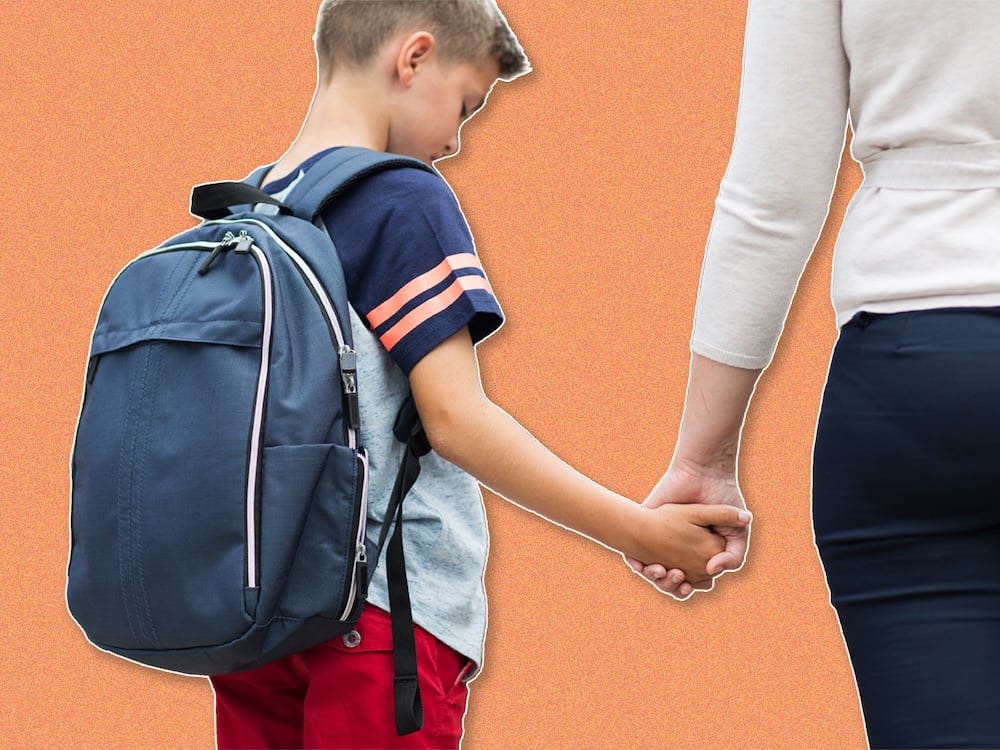
In British Columbia, students with disabilities are facing significant challenges in accessing education, leading to increased absenteeism and stress for both students and Educational Assistants (EAs). Reports indicate that many children are forced to miss school due to inadequate support services, which has raised urgent concerns among parents, educators, and advocacy groups.
The role of EAs has become increasingly demanding as they work to support children with diverse needs in the classroom. Many EAs report experiencing high levels of stress and physical injuries due to the intense demands of their roles. According to the Canadian Union of Public Employees (CUPE), which represents many support staff in the province, the strain on EAs is becoming unsustainable, with some leaving the profession altogether.
Calls for Improved Training and Resources
To address these issues, education experts are advocating for enhanced training for EAs and the provision of additional resources. Experts argue that specialized training can equip EAs with the necessary skills to handle the unique challenges posed by students with disabilities. Furthermore, they suggest that outside help, including more specialized personnel, could alleviate the pressure on existing staff while providing better support for students.
Statistics reveal that a significant number of students with disabilities are not receiving adequate support. In some school districts, up to 30% of children with special needs are missing classes regularly. This absence not only affects their educational journey but also impacts their mental and emotional well-being. Parents have expressed frustration, stating that the current system does not meet the needs of their children.
School districts across British Columbia are now under pressure to create more inclusive environments for students. The Ministry of Education has acknowledged the difficulties faced by schools and is exploring various strategies to improve support services. However, many parents and educators argue that progress has been slow and that immediate action is necessary.
Potential Solutions and Future Steps
One proposed solution is the implementation of a tiered support system that provides varying levels of assistance based on individual student needs. Such a model could ensure that resources are allocated more effectively, allowing for tailored support that meets the specific requirements of each child.
Additionally, collaboration between schools and community organizations could enhance the support network for students with disabilities. By tapping into external resources, schools may be able to offer a wider range of services, which could ultimately lead to improved educational outcomes.
As discussions continue, stakeholders emphasize the importance of prioritizing the needs of students with disabilities. The goal is to create an inclusive educational system that allows all children, regardless of their challenges, to thrive in a supportive environment.
The situation in British Columbia serves as a poignant reminder of the ongoing struggle to provide equitable education for all students. With growing advocacy for reform and increased resources, there is hope for a more inclusive future in the province’s classrooms.

City & Guilds Executives Awarded Million-Pound Bonuses Post-Privatization

Culver’s of Dixon Donates $500 to Local Food Pantry

Trump Administration Moves to Dismantle National Climate Research Center

Ottawa Teacher Restores Life Quality After Rare Surgery

Condo Owners Must Repay Deductible Settlement After Flooding

China Imposes Duties Up to 42.7% on EU Dairy Imports

Corner Brook Toy Drive Provides Christmas Cheer for 230 Children

AI Resurrects Celebrities, Sparking Controversy Over Likeness Control

Ottawa Woman’s Rare Surgery Restores Life After Endometriosis

Toyoake City Proposes Daily Two-Hour Smartphone Use Limit

Pedestrian Fatally Injured in Esquimalt Collision on August 14

B.C. Review Reveals Urgent Need for Rare-Disease Drug Reforms

Dark Adventure Game “Bye Sweet Carole” Set for October Release

Jimmy Lai’s Defense Challenges Charges Under National Security Law

Victoria’s Pop-Up Shop Shines Light on B.C.’s Wolf Cull

Konami Revives Iconic Metal Gear Solid Delta Ahead of Release

Apple Expands Self-Service Repair Program to Canada

Snapmaker U1 Color 3D Printer Redefines Speed and Sustainability
-
 Science4 months ago
Toyoake City Proposes Daily Two-Hour Smartphone Use Limit
-
 Top Stories4 months ago
Pedestrian Fatally Injured in Esquimalt Collision on August 14
-
 Health4 months ago
B.C. Review Reveals Urgent Need for Rare-Disease Drug Reforms
-
 Technology4 months ago
Dark Adventure Game “Bye Sweet Carole” Set for October Release
-
 World4 months ago
Jimmy Lai’s Defense Challenges Charges Under National Security Law
-
 Lifestyle4 months ago
Victoria’s Pop-Up Shop Shines Light on B.C.’s Wolf Cull
-
 Technology4 months ago
Konami Revives Iconic Metal Gear Solid Delta Ahead of Release
-
 Technology4 months ago
Apple Expands Self-Service Repair Program to Canada
-
 Technology4 months ago
Snapmaker U1 Color 3D Printer Redefines Speed and Sustainability
-

 Technology4 months ago
AION Folding Knife: Redefining EDC Design with Premium Materials
-

 Technology4 months ago
Solve Today’s Wordle Challenge: Hints and Answer for August 19
-

 Business4 months ago
Gordon Murray Automotive Unveils S1 LM and Le Mans GTR at Monterey