
Science
Swearing Boosts Strength and Pain Tolerance, Study Reveals

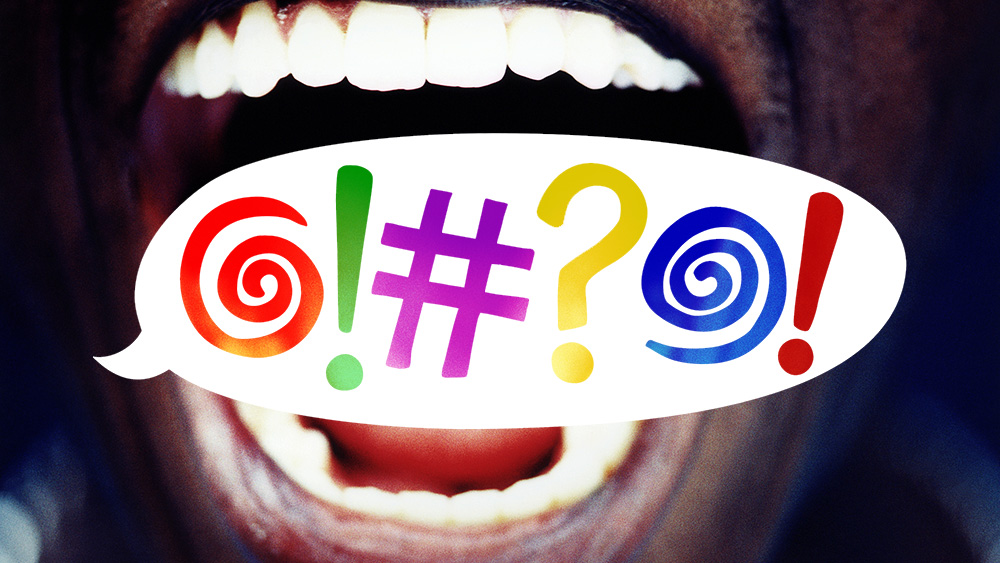
New research highlights the potential benefits of swearing, suggesting that it can enhance physical strength and tolerance to pain. A study published in the journal American Psychologist details how cursing may serve as a tool for pain relief and increased performance during physical tasks. This idea stems from the concept known as the “hypoalgesic effect of swearing.”
Richard Stephens, a psychologist at Keele University, has long been intrigued by the effects of profanity. His interest began with observing his wife’s use of curse words during childbirth and questioning whether this behavior could alleviate pain. In a landmark study from 2009, Stephens and his colleagues examined the pain-relief effects of swearing. Participants submerged their hands in ice water, alternating between cursing and reciting a neutral word. Results indicated that those who swore reported less pain and could endure the cold for an average of 40 seconds longer than those who did not.
The underlying mechanisms of this phenomenon remain a topic of investigation. A follow-up study conducted in 2020 reaffirmed these findings. Participants were instructed to chant either a profanity or invented words like “fouch” and “twizpipe.” Only the use of a curse word significantly influenced pain perception, as participants who swore demonstrated a higher pain threshold.
Exploring the Impact of Swearing on Performance
Stephens has continued to explore how swearing can enhance physical performance. In studies from 2018 and 2022, he demonstrated that swearing could improve strength during tasks such as chair push-ups. This led to the hypothesis that swearing might promote disinhibition, allowing individuals to push their physical limits.
In recent experiments, participants chose a swear word commonly used in moments of frustration and a neutral term. They then performed push-up tasks while repeating these words every two seconds. The outcomes showed that those who swore could support their body weight significantly longer than those who used neutral language. Participants also reported greater psychological flow, reduced distraction, and heightened self-confidence during the task.
“Swearing is a calorie-neutral, drug-free, low-cost, readily available tool at our disposal for when we need a boost in performance,” said Stephens. This finding sheds light on why swearing has become a common response to pain and physical challenges.
Future Research Directions
The research team plans to delve deeper into the effects of swearing in contexts such as public speaking and romantic interactions, where individuals often feel hesitant and less confident. By understanding how swearing affects these situations, the researchers hope to uncover further benefits of this behavior.
This ongoing exploration into the psychology of swearing not only enhances our understanding of human behavior but also provides insight into practical applications for improving performance and pain management. As more studies emerge, the case for swearing as a beneficial tool gains traction, offering a unique perspective on how language can influence our physical and psychological well-being.

City & Guilds Executives Awarded Million-Pound Bonuses Post-Privatization

Culver’s of Dixon Donates $500 to Local Food Pantry

Trump Administration Moves to Dismantle National Climate Research Center

Ottawa Teacher Restores Life Quality After Rare Surgery

Condo Owners Must Repay Deductible Settlement After Flooding

China Imposes Duties Up to 42.7% on EU Dairy Imports

Corner Brook Toy Drive Provides Christmas Cheer for 230 Children

AI Resurrects Celebrities, Sparking Controversy Over Likeness Control

Ottawa Woman’s Rare Surgery Restores Life After Endometriosis

Toyoake City Proposes Daily Two-Hour Smartphone Use Limit

B.C. Review Reveals Urgent Need for Rare-Disease Drug Reforms

Pedestrian Fatally Injured in Esquimalt Collision on August 14

Dark Adventure Game “Bye Sweet Carole” Set for October Release

Jimmy Lai’s Defense Challenges Charges Under National Security Law

Victoria’s Pop-Up Shop Shines Light on B.C.’s Wolf Cull

Konami Revives Iconic Metal Gear Solid Delta Ahead of Release

Apple Expands Self-Service Repair Program to Canada

Snapmaker U1 Color 3D Printer Redefines Speed and Sustainability
-
 Science4 months ago
Toyoake City Proposes Daily Two-Hour Smartphone Use Limit
-
 Top Stories4 months ago
Pedestrian Fatally Injured in Esquimalt Collision on August 14
-
 Health4 months ago
B.C. Review Reveals Urgent Need for Rare-Disease Drug Reforms
-
 Technology4 months ago
Dark Adventure Game “Bye Sweet Carole” Set for October Release
-
 World4 months ago
Jimmy Lai’s Defense Challenges Charges Under National Security Law
-
 Lifestyle4 months ago
Victoria’s Pop-Up Shop Shines Light on B.C.’s Wolf Cull
-
 Technology4 months ago
Konami Revives Iconic Metal Gear Solid Delta Ahead of Release
-
 Technology4 months ago
Apple Expands Self-Service Repair Program to Canada
-
 Technology4 months ago
Snapmaker U1 Color 3D Printer Redefines Speed and Sustainability
-

 Technology4 months ago
AION Folding Knife: Redefining EDC Design with Premium Materials
-

 Technology4 months ago
Solve Today’s Wordle Challenge: Hints and Answer for August 19
-

 Business4 months ago
Gordon Murray Automotive Unveils S1 LM and Le Mans GTR at Monterey