
Top Stories
British Columbia Sees Rising Vacancy Rates Amid Policy Debate

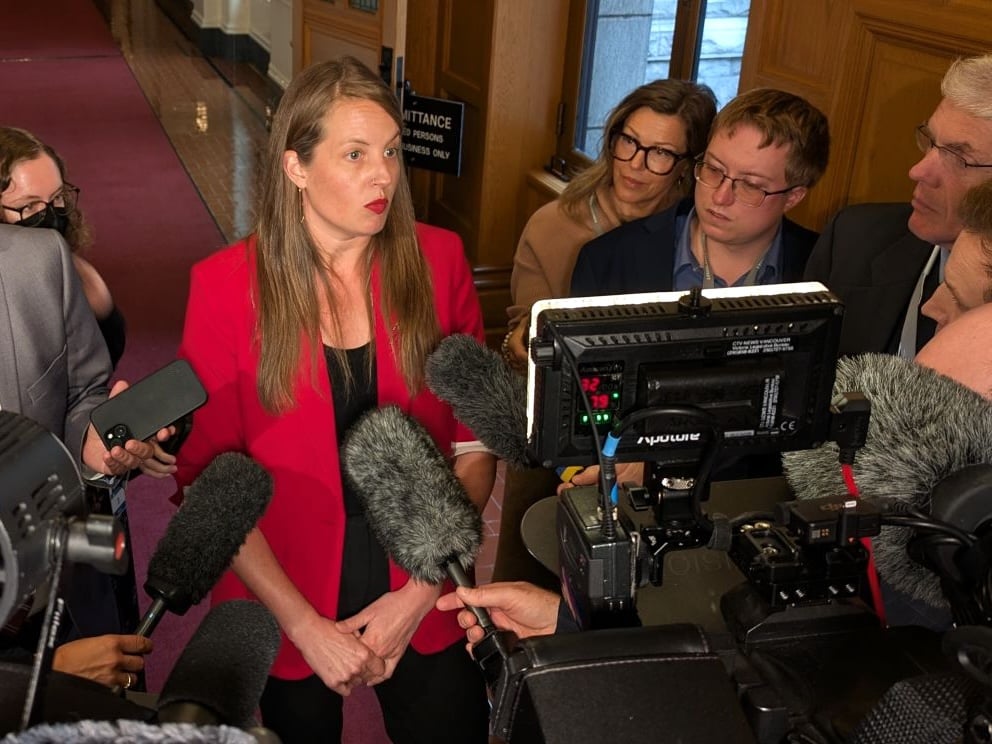
In British Columbia, vacancy rates for rental properties have seen a noticeable increase, raising questions about the effectiveness of current housing policies. According to the latest data from the Canada Mortgage and Housing Corporation (CMHC), the overall rental vacancy rate in the province has climbed to 3.2% as of October 2023, up from 2.4% the previous year.
The New Democratic Party (NDP), which governs the province, claims its initiatives have made significant strides in addressing housing shortages. They argue that their policies have led to the creation of more affordable housing options, contributing to the rise in vacancy rates as new developments enter the market. The NDP’s spokesperson stated, “Our government is committed to ensuring that all British Columbians have access to safe, affordable housing.”
In contrast, the CMHC presents a different perspective. The organization emphasizes that the rise in vacancy rates can also be attributed to changing population dynamics and economic factors. According to the CMHC, the influx of new residents has not kept pace with the increase in rental units, leading to a temporary surplus in available properties. This shift is particularly evident in urban centers such as Vancouver, where rental demand has fluctuated due to remote work trends and shifts in housing preferences.
The CMHC’s analysis highlights that while the NDP’s policies may have contributed to increased housing supply, external factors such as economic uncertainty and demographic changes play a significant role in the current rental landscape. For instance, the 2021 Census revealed that British Columbia’s population growth has slowed, affecting demand for rental housing.
As the provincial government continues to implement its housing strategies, the debate over the effectiveness of these measures is likely to intensify. Critics argue that while the NDP’s policies aim to expand affordable housing, they may not adequately address the root causes of housing demand and affordability issues.
Looking ahead, the NDP plans to introduce additional measures aimed at further increasing the supply of affordable housing. These initiatives include incentives for developers to build more rental units and initiatives designed to protect renters from sudden price hikes. The government remains optimistic that these efforts will contribute to a more balanced rental market in the coming years.
In summary, the rising vacancy rates in British Columbia reflect a complex interplay of government policy and broader economic trends. While the NDP asserts that its initiatives are yielding positive results, the CMHC’s analysis suggests that external factors also significantly influence the province’s rental landscape. As the situation evolves, both the government and housing experts will closely monitor the implications for tenants and the overall housing market in British Columbia.

City & Guilds Executives Awarded Million-Pound Bonuses Post-Privatization

Culver’s of Dixon Donates $500 to Local Food Pantry

Trump Administration Moves to Dismantle National Climate Research Center

Ottawa Teacher Restores Life Quality After Rare Surgery

Condo Owners Must Repay Deductible Settlement After Flooding

China Imposes Duties Up to 42.7% on EU Dairy Imports

Corner Brook Toy Drive Provides Christmas Cheer for 230 Children

AI Resurrects Celebrities, Sparking Controversy Over Likeness Control

Ottawa Woman’s Rare Surgery Restores Life After Endometriosis

Toyoake City Proposes Daily Two-Hour Smartphone Use Limit

B.C. Review Reveals Urgent Need for Rare-Disease Drug Reforms

Pedestrian Fatally Injured in Esquimalt Collision on August 14

Dark Adventure Game “Bye Sweet Carole” Set for October Release

Jimmy Lai’s Defense Challenges Charges Under National Security Law

Victoria’s Pop-Up Shop Shines Light on B.C.’s Wolf Cull

Konami Revives Iconic Metal Gear Solid Delta Ahead of Release

Apple Expands Self-Service Repair Program to Canada

Snapmaker U1 Color 3D Printer Redefines Speed and Sustainability
-
 Science4 months ago
Toyoake City Proposes Daily Two-Hour Smartphone Use Limit
-
 Health4 months ago
B.C. Review Reveals Urgent Need for Rare-Disease Drug Reforms
-
 Top Stories4 months ago
Pedestrian Fatally Injured in Esquimalt Collision on August 14
-
 Technology4 months ago
Dark Adventure Game “Bye Sweet Carole” Set for October Release
-
 World4 months ago
Jimmy Lai’s Defense Challenges Charges Under National Security Law
-
 Lifestyle4 months ago
Victoria’s Pop-Up Shop Shines Light on B.C.’s Wolf Cull
-
 Technology4 months ago
Konami Revives Iconic Metal Gear Solid Delta Ahead of Release
-
 Technology4 months ago
Apple Expands Self-Service Repair Program to Canada
-
 Technology4 months ago
Snapmaker U1 Color 3D Printer Redefines Speed and Sustainability
-

 Technology4 months ago
AION Folding Knife: Redefining EDC Design with Premium Materials
-

 Technology4 months ago
Solve Today’s Wordle Challenge: Hints and Answer for August 19
-

 Business4 months ago
Gordon Murray Automotive Unveils S1 LM and Le Mans GTR at Monterey