
Science
AI-Generated Celebrity Videos Spark Controversy and Concern

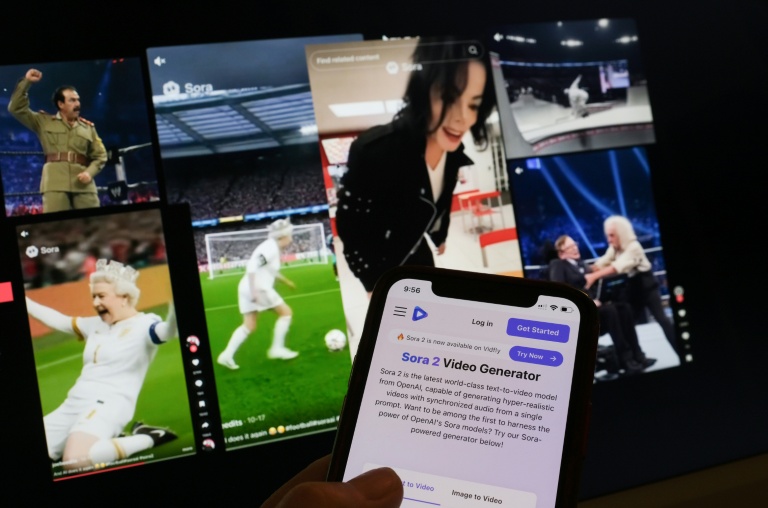
The rise of hyper-realistic AI videos featuring deceased celebrities has generated both amusement and outrage. Applications such as OpenAI’s Sora, launched in September 2023, have made it possible to create and share videos of historical and pop culture figures, leading to significant discussions regarding the ethics of using their likenesses.
Among the figures featured in these videos is Queen Elizabeth II, who is depicted in one TikTok clip arriving at a wrestling match on a scooter, only to leap onto a male wrestler. In another Facebook clip, she humorously praises “delightfully orange” cheese puffs while shopping. Other notable figures showcased include Michael Jackson and Elvis Presley, further expanding the range of personalities brought back to life through AI technology.
Despite the entertainment value, the technology has raised serious concerns. In October 2023, OpenAI blocked the creation of videos featuring Martin Luther King Jr. after his estate protested against disrespectful portrayals, including an incident where users created clips depicting King making monkey noises during his iconic “I Have a Dream” speech. This incident exemplifies the potential misuse of AI-generated content, prompting questions about the control over deceased individuals’ images.
Ethical Implications of AI Celebrity Resurrections
Constance de Saint Laurent, a professor at Maynooth University in Ireland, highlighted the unsettling nature of these realistic portrayals. “We’re getting into the ‘uncanny valley,’” she noted, referring to the discomfort people feel when interacting with lifelike artificial entities. She cautioned that receiving videos of deceased loved ones could be deeply traumatic, suggesting that such creations might have serious emotional consequences.
The children of famous figures like Robin Williams, George Carlin, and Malcolm X have voiced their disapproval of the use of AI to simulate their fathers. Zelda Williams, daughter of the late actor, expressed her frustration on Instagram, urging followers to stop sending her AI videos of her father, calling the content “maddening.”
An OpenAI spokesperson acknowledged the importance of protecting the likenesses of public figures and emphasized that families should have the final say over how their loved ones are represented through AI. For “recently deceased” individuals, authorized representatives can now request that their likeness not be used in Sora.
The Growing Need for Control and Regulation
Despite OpenAI’s measures, critics argue that the company has released a tool that undermines the very control it claims to promote. Hany Farid, co-founder of GetReal Security and a professor at the University of California, Berkeley, stated, “Despite what OpenAI says about wanting people to control their likeness, they have released a tool that decidedly does the opposite.” He warned that even with some safeguards in place, the potential for misuse remains significant.
The proliferation of advanced AI tools raises critical concerns beyond just public figures. Ordinary individuals and non-celebrities are equally at risk of having their names, images, and words manipulated through synthetic means. Researchers caution that the unchecked dissemination of such AI-generated content, often referred to as “AI slop,” could lead to a larger erosion of trust in digital media.
Saint Laurent emphasized the broader implications of misinformation. “The issue with misinformation in general is not so much that people believe it. A lot of people don’t. The issue is that they see real news and they don’t trust it anymore. And this [Sora] is going to massively increase that.”
As the debate continues, the emergence of AI technologies capable of resurrecting the likenesses of deceased individuals underscores the urgent need for ethical guidelines and regulations in the rapidly evolving landscape of artificial intelligence.

China Imposes Duties Up to 42.7% on EU Dairy Imports

Corner Brook Toy Drive Provides Christmas Cheer for 230 Children

AI Resurrects Celebrities, Sparking Controversy Over Likeness Control

Ottawa Woman’s Rare Surgery Restores Life After Endometriosis

Corner Brook Toy Drive Brings Holiday Joy to 230 Children

Russian General Killed in Car Bomb Attack in Moscow

Brandon University Wraps Up Fall Exams, Prepares for Holiday Break

Chinese AI Firms MiniMax and Zhipu Reveal Business Strategies Ahead of Listings

British Columbia Schools Struggle to Support Students with Disabilities

Toyoake City Proposes Daily Two-Hour Smartphone Use Limit

Pedestrian Fatally Injured in Esquimalt Collision on August 14

B.C. Review Reveals Urgent Need for Rare-Disease Drug Reforms

Dark Adventure Game “Bye Sweet Carole” Set for October Release

Jimmy Lai’s Defense Challenges Charges Under National Security Law

Victoria’s Pop-Up Shop Shines Light on B.C.’s Wolf Cull

Konami Revives Iconic Metal Gear Solid Delta Ahead of Release

Apple Expands Self-Service Repair Program to Canada

Snapmaker U1 Color 3D Printer Redefines Speed and Sustainability
-
 Science4 months ago
Toyoake City Proposes Daily Two-Hour Smartphone Use Limit
-
 Top Stories4 months ago
Pedestrian Fatally Injured in Esquimalt Collision on August 14
-
 Health4 months ago
B.C. Review Reveals Urgent Need for Rare-Disease Drug Reforms
-
 Technology4 months ago
Dark Adventure Game “Bye Sweet Carole” Set for October Release
-
 World4 months ago
Jimmy Lai’s Defense Challenges Charges Under National Security Law
-
 Lifestyle4 months ago
Victoria’s Pop-Up Shop Shines Light on B.C.’s Wolf Cull
-
 Technology4 months ago
Konami Revives Iconic Metal Gear Solid Delta Ahead of Release
-
 Technology4 months ago
Apple Expands Self-Service Repair Program to Canada
-
 Technology4 months ago
Snapmaker U1 Color 3D Printer Redefines Speed and Sustainability
-

 Technology4 months ago
AION Folding Knife: Redefining EDC Design with Premium Materials
-

 Technology4 months ago
Solve Today’s Wordle Challenge: Hints and Answer for August 19
-

 Business4 months ago
Gordon Murray Automotive Unveils S1 LM and Le Mans GTR at Monterey