
Top Stories
Canada’s Universities Face Decline in International Student Enrolment

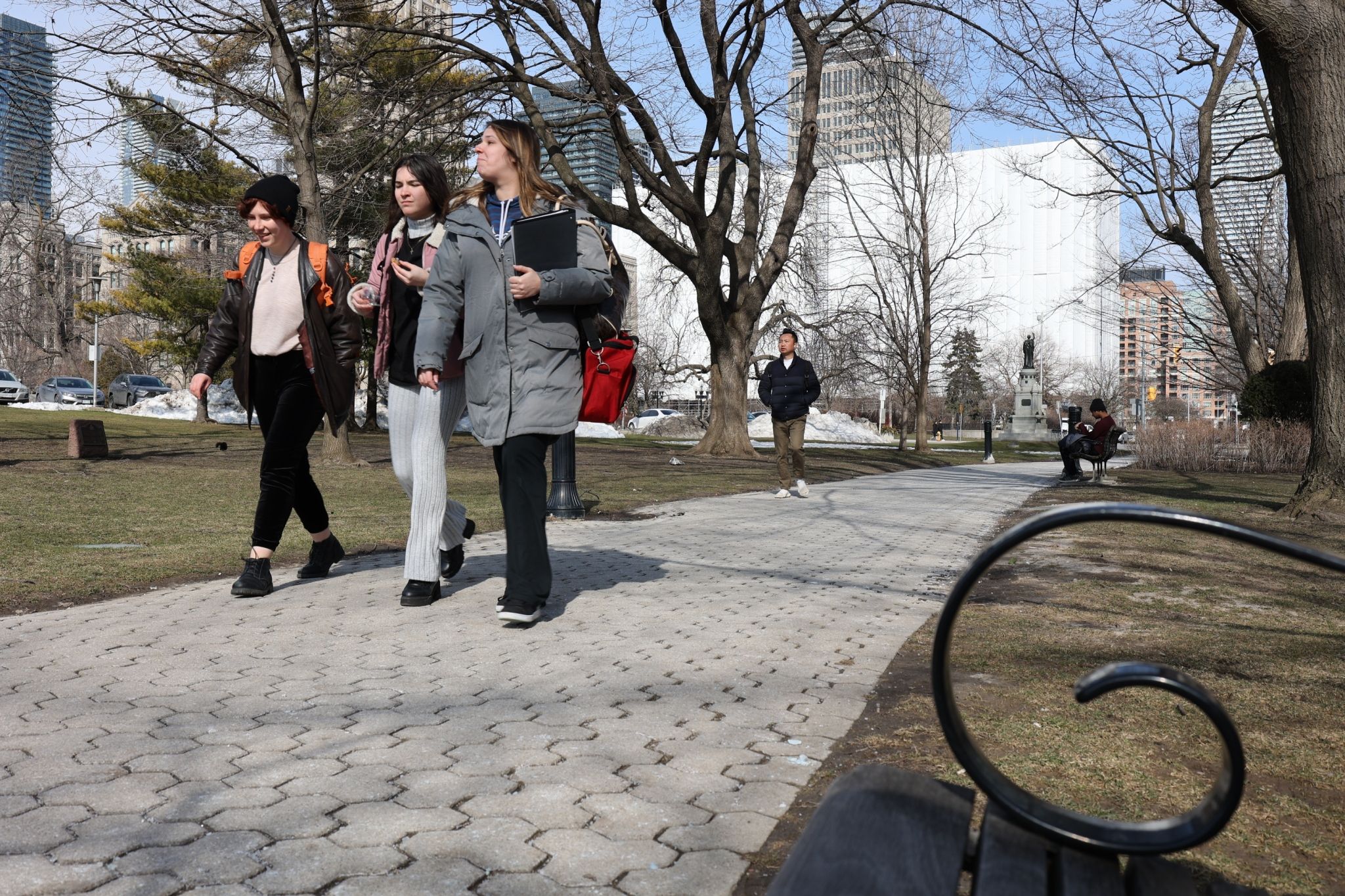
Canadian universities are grappling with a significant decrease in international student enrolments, primarily due to stricter immigration policies. A recent survey revealed that the country has seen the highest number of institutions reporting declines in enrolment rates compared to other regions, including the United States. This trend has raised concerns about the impact on the academic landscape and the financial stability of these institutions.
The Global Enrolment Benchmark Survey, conducted in collaboration with NAFSA, the Oxford Test of English, and Studyportals, surveyed 461 institutions across 63 countries, with 20 from Canada. This year’s data covers the enrolment period from August to October 2025. The findings indicate a considerable shift in international student trends. “Last year’s survey showed a market in transition. This year’s survey shows those early signs have turned into real changes,” the report states.
The survey found that 82% of Canadian universities reported declines in undergraduate enrolments, while 71% noted a decrease in postgraduate enrolments. On average, Canadian universities experienced a 36% drop in bachelor’s degree enrolments and a 35% decline in postgraduate enrolments, marking the steepest fall compared to other regions.
The report identifies “restrictive government policies” as the primary barrier for international students considering Canada, with 90% of universities citing this as a significant concern. In contrast, only 15% attributed the falling numbers to the rising cost of living and tuition fees. The ongoing changes by Immigration, Refugees and Citizenship Canada (IRCC), including a national cap on study permits and new proof-of-funds requirements, have created uncertainty and negatively affected Canada’s reputation as a preferred study destination.
While enrolments from traditional markets like India and China have seen a downturn, there is a noticeable increase in interest from students in Africa and Southeast Asia. In response to these shifting trends, 60% of Canadian universities are planning to diversify their recruitment strategies by targeting new markets. The decline in international student enrolment has led to financial instability for many institutions, prompting 60% of them to prepare for budget cuts and 50% to consider staffing reductions in 2026.
As Canada loses its appeal to international students, neighbouring regions such as the UK, along with various European countries and parts of Asia, are witnessing a surge in new enrolments. This decline has contributed to a record-breaking drop in the population of international students in Canada, a trend that could persist, especially following IRCC’s announced limits on study permits for 2026.
The implications of these enrolment trends extend beyond the universities themselves, affecting local economies and communities that benefit from the presence of international students. As Canadian universities face these challenges, their ability to adapt and innovate will be crucial in maintaining their global standing as educational institutions.

Russian General Killed in Car Bomb Attack in Moscow

Brandon University Wraps Up Fall Exams, Prepares for Holiday Break

Chinese AI Firms MiniMax and Zhipu Reveal Business Strategies Ahead of Listings

British Columbia Schools Struggle to Support Students with Disabilities

AI Revives Dead Celebrities, Sparking Debate Over Likeness Control

Ongoing Psychiatric Care Transforms Zach Schnitzer’s Life

Former WSJ Reporter Alleges Termination Over Union Role in Hong Kong

Brandon University Prepares for Holiday Break and New Year Events

Goldman Sachs Fund Reports 6.32% Return, Lags Behind S&P 500

Toyoake City Proposes Daily Two-Hour Smartphone Use Limit

Pedestrian Fatally Injured in Esquimalt Collision on August 14

B.C. Review Reveals Urgent Need for Rare-Disease Drug Reforms

Dark Adventure Game “Bye Sweet Carole” Set for October Release

Jimmy Lai’s Defense Challenges Charges Under National Security Law

Victoria’s Pop-Up Shop Shines Light on B.C.’s Wolf Cull

Konami Revives Iconic Metal Gear Solid Delta Ahead of Release

Apple Expands Self-Service Repair Program to Canada

Snapmaker U1 Color 3D Printer Redefines Speed and Sustainability
-
 Science4 months ago
Toyoake City Proposes Daily Two-Hour Smartphone Use Limit
-
 Top Stories4 months ago
Pedestrian Fatally Injured in Esquimalt Collision on August 14
-
 Health4 months ago
B.C. Review Reveals Urgent Need for Rare-Disease Drug Reforms
-
 Technology4 months ago
Dark Adventure Game “Bye Sweet Carole” Set for October Release
-
 World4 months ago
Jimmy Lai’s Defense Challenges Charges Under National Security Law
-
 Lifestyle4 months ago
Victoria’s Pop-Up Shop Shines Light on B.C.’s Wolf Cull
-
 Technology4 months ago
Konami Revives Iconic Metal Gear Solid Delta Ahead of Release
-
 Technology4 months ago
Apple Expands Self-Service Repair Program to Canada
-
 Technology4 months ago
Snapmaker U1 Color 3D Printer Redefines Speed and Sustainability
-

 Technology4 months ago
AION Folding Knife: Redefining EDC Design with Premium Materials
-

 Technology4 months ago
Solve Today’s Wordle Challenge: Hints and Answer for August 19
-

 Business4 months ago
Gordon Murray Automotive Unveils S1 LM and Le Mans GTR at Monterey