
World
Supreme Court to Review Policy on Asylum Seekers at U.S. Border

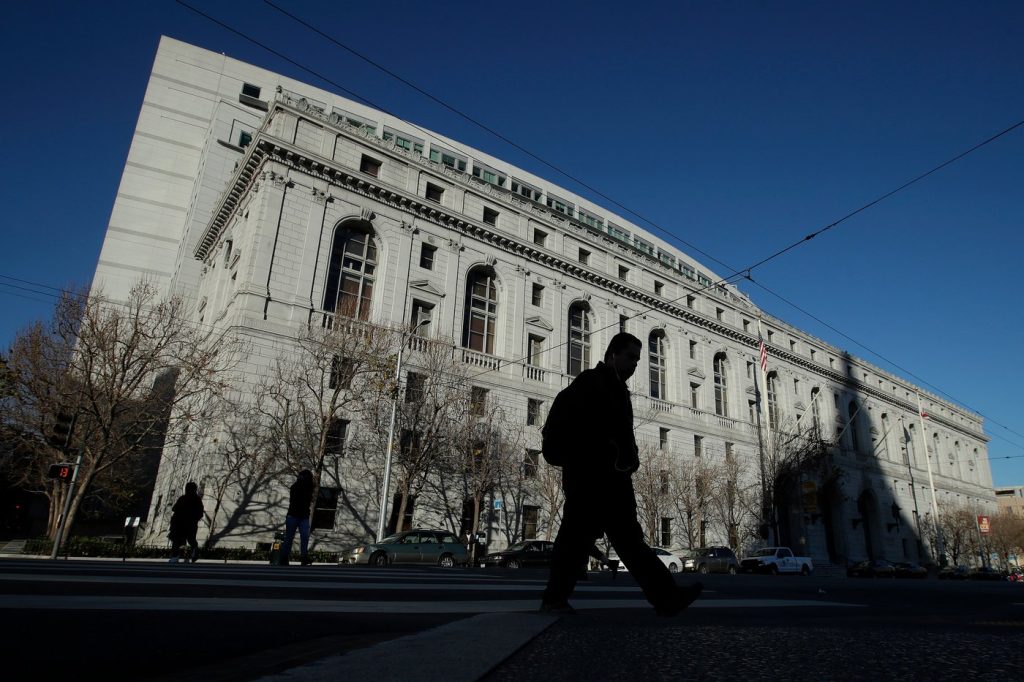
The Supreme Court has agreed to review a controversial policy that has been used to deny asylum seekers the opportunity to apply for protection at the U.S.-Mexico border. This policy, known as metering, limits the number of migrants allowed to enter the United States to seek asylum until there is sufficient space to process their claims. The court’s decision comes as the Trump administration appeals lower court rulings that deemed metering unconstitutional.
Arguments will be presented in the case during late winter or early spring of 2024. The Trump administration initiated this policy during its first term, and the appeal seeks to overturn rulings by the U.S. District Court and the 9th U.S. Circuit Court of Appeals that struck down the practice. Advocates for migrants assert that these lower court decisions have already rendered metering ineffective, especially since President Trump suspended the asylum system on his first day in office for his second term.
During the Obama administration, metering was first implemented in response to a surge of Haitian migrants arriving at the San Diego border from Tijuana, Mexico. This policy was later expanded nationwide under President Trump, further tightening restrictions on asylum seekers. The practice effectively ended in 2020 as the U.S. government imposed stricter measures due to the COVID-19 pandemic. President Joe Biden officially rescinded metering in 2021, citing the need for a more humane approach to asylum claims.
Despite the policy’s suspension, the Justice Department has voiced a desire for the Supreme Court to hear this case, emphasizing that the rulings have removed a mechanism “that administrations of both parties have deemed critical for controlling the processing of inadmissible aliens during border surges.” This statement reflects ongoing concerns regarding the management of asylum claims amid fluctuating migration patterns.
In her 2021 ruling, U.S. District Judge Cynthia Bashant determined that metering violated the constitutional rights of migrants and contravened federal law, which mandates that officials must screen anyone arriving to seek asylum. A panel of the 9th Circuit affirmed this ruling in a narrow 2-1 decision. The court’s composition proved significant, as twelve of the twenty-nine judges on the appeals court expressed interest in rehearing the case, potentially drawing the attention of the Supreme Court justices.
Individuals seeking refuge in the U.S. are eligible to apply for asylum upon their arrival in the country, regardless of their method of entry. To qualify, they must present a credible fear of persecution for specific reasons, including race, religion, nationality, membership in a particular social group, or political beliefs. Successful applicants are granted asylum, which protects them from deportation, permits legal employment, and allows them to bring immediate family members to the U.S. Eventually, they may apply for legal residency and U.S. citizenship, thereby securing a permanent future in the country.
As the Supreme Court prepares to hear this case, the outcome could have far-reaching implications for immigration policy and the treatment of asylum seekers at the U.S. border.

Meta Plans Major Layoffs as AI Costs Surge

Alberta’s Referendum Could Pave Way for U.S. Statehood

Minooka District 201 Plans Enhanced Bilingual Support for Students

Canmore Approves Multiple Development Permits for New Projects

Remembering Bradly Castillo Shearsmith: A Life of Friendship and Joy

BIS Urges Watchdogs to Integrate Synthetic Risk Transfers in Stress Tests

Teva Transforms: Shifting Focus from Generics to Branded Success

Apple Launches AirPods Max 2 with Enhanced Audio Features

Ontario Ends Funding for Seven Supervised Injection Sites

Toyoake City Proposes Daily Two-Hour Smartphone Use Limit

Pedestrian Fatally Injured in Esquimalt Collision on August 14

B.C. Review Reveals Urgent Need for Rare-Disease Drug Reforms

Dark Adventure Game “Bye Sweet Carole” Set for October Release

Konami Revives Iconic Metal Gear Solid Delta Ahead of Release

Victoria’s Pop-Up Shop Shines Light on B.C.’s Wolf Cull

Jimmy Lai’s Defense Challenges Charges Under National Security Law

Snapmaker U1 Color 3D Printer Redefines Speed and Sustainability

Apple Expands Self-Service Repair Program to Canada
-
 Science11 months ago
Toyoake City Proposes Daily Two-Hour Smartphone Use Limit
-
 Top Stories11 months ago
Pedestrian Fatally Injured in Esquimalt Collision on August 14
-
 Health11 months ago
B.C. Review Reveals Urgent Need for Rare-Disease Drug Reforms
-
 Technology11 months ago
Dark Adventure Game “Bye Sweet Carole” Set for October Release
-
 Technology11 months ago
Konami Revives Iconic Metal Gear Solid Delta Ahead of Release
-
 Lifestyle11 months ago
Victoria’s Pop-Up Shop Shines Light on B.C.’s Wolf Cull
-
 World11 months ago
Jimmy Lai’s Defense Challenges Charges Under National Security Law
-
 Technology11 months ago
Snapmaker U1 Color 3D Printer Redefines Speed and Sustainability
-
 Technology11 months ago
Apple Expands Self-Service Repair Program to Canada
-

 Technology11 months ago
AION Folding Knife: Redefining EDC Design with Premium Materials
-

 Technology11 months ago
Solve Today’s Wordle Challenge: Hints and Answer for August 19
-

 Business11 months ago
Gordon Murray Automotive Unveils S1 LM and Le Mans GTR at Monterey