
World
Boeing 777X Certification Delays Raise Concerns for U.S. Aviation

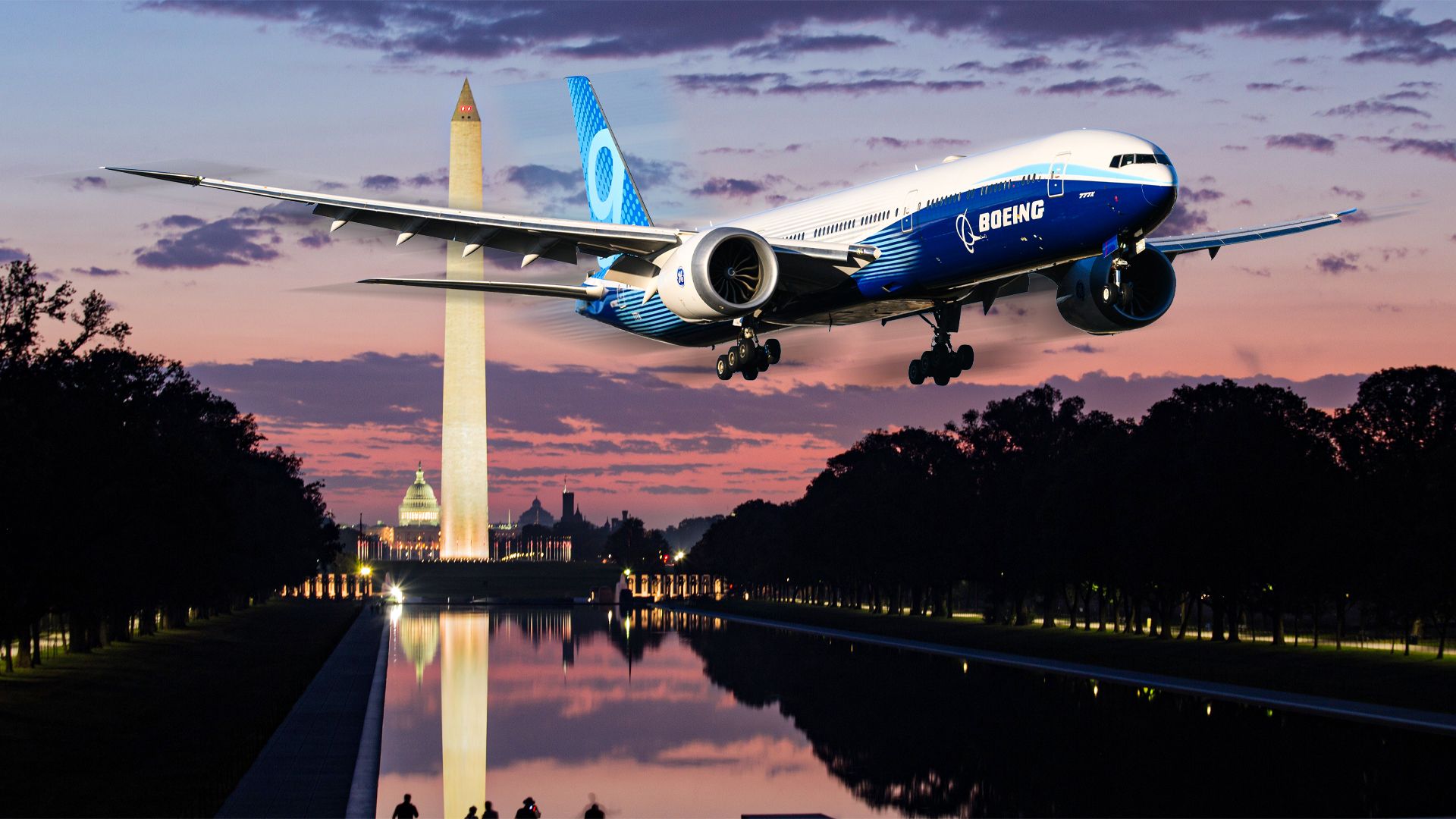
Boeing faces significant challenges in securing certification for its highly anticipated 777X aircraft, with delays raising concerns throughout the U.S. aviation sector. The 777X, which has been in development for over a decade, is still undergoing testing, and technical issues continue to emerge. As a result, its entry into commercial service could be postponed until 2027, approximately seven years later than originally planned.
The Boeing 777X represents the latest evolution of the well-established 777 family and is designed to be the largest and most efficient twin-engine aircraft ever built. The program includes two primary passenger variants, the 777-8 and the larger 777-9, along with a freighter model known as the 777-8F. These aircraft incorporate advanced technologies derived from the Boeing 787, featuring a composite wing design with folding wingtips to ensure compatibility with airport gates. The engines used in the 777X, the General Electric GE9X, are the largest commercial aircraft engines ever developed, promising significant improvements in fuel efficiency and operating costs.
Despite attracting over 600 orders from airlines globally, including a substantial order of 270 aircraft from Emirates, the program has faced multiple setbacks. The 777X first took to the skies in January 2020, but subsequent technical issues and regulatory scrutiny have delayed its commercial debut.
Impact of Regulatory Changes
The U.S. government’s enhanced scrutiny of aircraft certification processes following the Boeing 737 MAX crisis has significantly impacted the 777X program. After two tragic accidents in 2018 and 2019, Congress enacted the Aircraft Certification Reform and Accountability Act in 2020, implementing substantial changes to the certification process. These reforms require more in-depth safety analyses, greater oversight of manufacturers, and additional scrutiny for aircraft derived from existing models, like the 777X.
As a result, the Federal Aviation Administration (FAA) now takes longer to review design changes and testing data. The regulatory environment has grown increasingly complex, meaning even minor issues can trigger extensive additional testing and documentation requirements. This has led to fears that the 777X certification process may be prolonged even further.
Challenges in Certification Process
The certification of an aircraft is a multi-stage process that includes various assessments and approvals. A critical stage for the 777X is the Type Inspection Authorization (TIA), which permits FAA pilots and engineers to engage directly in flight testing. Once granted, the aircraft enters the final certification testing phase, where regulators verify that it meets all safety and performance standards under real-world conditions.
However, delays have arisen due to ongoing testing challenges. Recently, Boeing had to pause flight testing due to structural issues, including cracks found in a component connecting the engine to the wing. Additionally, there are concerns regarding seals within the engine system that require thorough analysis before proceeding with certification. Each of these issues may seem relatively minor, but collectively, they can significantly delay the certification timeline.
The implications of these delays extend beyond Boeing itself. As one of the United States’ key exporters, Boeing plays a critical role in the aerospace industry, supporting thousands of jobs in manufacturing, engineering, and the supply chain. Delays in the 777X program could have far-reaching effects on the broader aviation sector and the economy.
Airlines globally are closely monitoring the situation, as many have planned their fleet strategies around the introduction of the 777X. The uncertainties have forced carriers like All Nippon Airways and Singapore Airlines to reassess their fleet plans, potentially extending the life of older aircraft.
As Boeing continues to navigate the complexities of certification, the ongoing competition from Airbus adds another layer of urgency. The Airbus A350 family has already established a strong foothold in the long-haul market, and any prolonged delays for the 777X could allow Airbus to strengthen its position further.
The risk of a broader certification backlog remains a significant concern for regulators and industry observers. With multiple Boeing programs, including various 737 MAX variants, awaiting approval, any technical problems could create a bottleneck in the certification process. This could lead to aircraft being ready for service but still awaiting regulatory review, pushing delivery timelines further into the future.
As of now, Boeing is continuing with testing and production preparations, but the coming years will be crucial in determining whether the company can successfully navigate the stringent certification process and finally bring the 777X into commercial service. The aviation industry and the U.S. economy are watching closely, as the stakes remain high for this flagship aircraft program.

Meta Plans Major Layoffs as AI Costs Surge

Alberta’s Referendum Could Pave Way for U.S. Statehood

Minooka District 201 Plans Enhanced Bilingual Support for Students

Canmore Approves Multiple Development Permits for New Projects

Remembering Bradly Castillo Shearsmith: A Life of Friendship and Joy

BIS Urges Watchdogs to Integrate Synthetic Risk Transfers in Stress Tests

Teva Transforms: Shifting Focus from Generics to Branded Success

Apple Launches AirPods Max 2 with Enhanced Audio Features

Ontario Ends Funding for Seven Supervised Injection Sites

Toyoake City Proposes Daily Two-Hour Smartphone Use Limit

Pedestrian Fatally Injured in Esquimalt Collision on August 14

B.C. Review Reveals Urgent Need for Rare-Disease Drug Reforms

Dark Adventure Game “Bye Sweet Carole” Set for October Release

Konami Revives Iconic Metal Gear Solid Delta Ahead of Release

Victoria’s Pop-Up Shop Shines Light on B.C.’s Wolf Cull

Jimmy Lai’s Defense Challenges Charges Under National Security Law

Snapmaker U1 Color 3D Printer Redefines Speed and Sustainability

Apple Expands Self-Service Repair Program to Canada
-
 Science12 months ago
Toyoake City Proposes Daily Two-Hour Smartphone Use Limit
-
 Top Stories12 months ago
Pedestrian Fatally Injured in Esquimalt Collision on August 14
-
 Health12 months ago
B.C. Review Reveals Urgent Need for Rare-Disease Drug Reforms
-
 Technology12 months ago
Dark Adventure Game “Bye Sweet Carole” Set for October Release
-
 Technology12 months ago
Konami Revives Iconic Metal Gear Solid Delta Ahead of Release
-
 Lifestyle12 months ago
Victoria’s Pop-Up Shop Shines Light on B.C.’s Wolf Cull
-
 World12 months ago
Jimmy Lai’s Defense Challenges Charges Under National Security Law
-
 Technology12 months ago
Snapmaker U1 Color 3D Printer Redefines Speed and Sustainability
-
 Technology12 months ago
Apple Expands Self-Service Repair Program to Canada
-

 Technology12 months ago
AION Folding Knife: Redefining EDC Design with Premium Materials
-

 Technology12 months ago
Solve Today’s Wordle Challenge: Hints and Answer for August 19
-

 Business12 months ago
Gordon Murray Automotive Unveils S1 LM and Le Mans GTR at Monterey