
Top Stories
Ontario Ends Funding for Seven Supervised Injection Sites

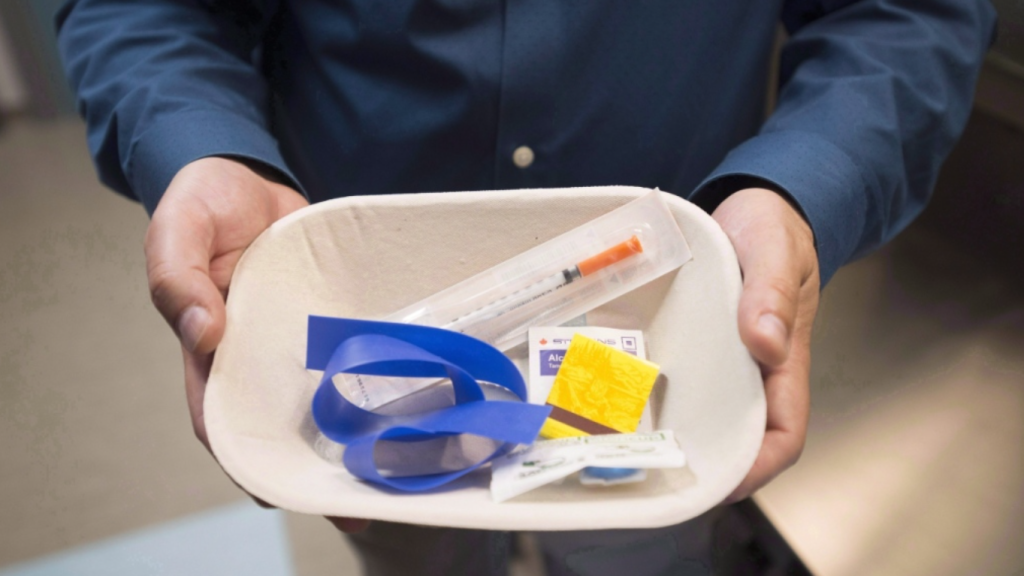
The Ontario government has announced plans to cut funding for seven supervised drug injection sites, a decision that marks a significant shift in the province’s strategy towards addiction and harm reduction. This announcement, made on March 11, 2024, is part of a broader initiative to prioritize treatment, recovery, and public safety, according to Deputy Premier and Health Minister Sylvia Jones.
The affected sites include two in Toronto, two in Ottawa, and one each in Niagara, Peterborough, and London. Jones stated that the government aims to transition away from funding supervised consumption services, focusing instead on long-term recovery models. “Our government is focused on treatment, recovery and safer communities,” Jones emphasized, highlighting that Ontario has invested nearly $550 million to establish 28 HART Hubs across the province.
Transition Plans and Community Impact
The government will initiate a 90-day wind-down period, extending beyond the standard 30-day notice, to facilitate the transition of clients from the seven sites to their local HART Hub. During this period, the province will collaborate with municipalities and community partners to ensure a smooth closure process. The two Toronto sites, including services operated by the Fred Victor Centre and South Riverdale Community Health Centre, have already been notified that their funding will cease in June 2024.
Municipalities will not be able to seek federal approval for new consumption sites without provincial authorization, raising concerns that these closures could be permanent. The Ontario government argues that these supervised consumption sites have led to public safety issues, particularly in areas where residents have reported drug use and disorder. Officials assert that the new model, emphasizing abstinence-based treatment, will help address these problems.
Criticism from Harm-Reduction Advocates
The decision to cut funding has drawn sharp criticism from harm-reduction advocates, who argue that supervised consumption sites are essential for preventing overdoses and connecting vulnerable individuals with health services. Several organizations have expressed concern that closing these sites will create dangerous gaps in care, putting lives at risk.
Critics maintain that the HART Hubs, while beneficial, may not fully compensate for the loss of supervised consumption services. The province asserts that these hubs will provide a more comprehensive, recovery-focused approach, promising to add nearly 900 supportive housing units across Ontario.
As discussions continue regarding the future of addiction treatment in the province, the impact of these funding cuts will be closely monitored by both health advocates and community members. The Ontario government remains committed to its strategy, emphasizing the need for a shift toward long-term recovery solutions.

Meta Plans Major Layoffs as AI Costs Surge

Alberta’s Referendum Could Pave Way for U.S. Statehood

Minooka District 201 Plans Enhanced Bilingual Support for Students

Canmore Approves Multiple Development Permits for New Projects

Remembering Bradly Castillo Shearsmith: A Life of Friendship and Joy

BIS Urges Watchdogs to Integrate Synthetic Risk Transfers in Stress Tests

Teva Transforms: Shifting Focus from Generics to Branded Success

Apple Launches AirPods Max 2 with Enhanced Audio Features

Ontario Ends Funding for Seven Supervised Injection Sites

Toyoake City Proposes Daily Two-Hour Smartphone Use Limit

Pedestrian Fatally Injured in Esquimalt Collision on August 14

B.C. Review Reveals Urgent Need for Rare-Disease Drug Reforms

Dark Adventure Game “Bye Sweet Carole” Set for October Release

Konami Revives Iconic Metal Gear Solid Delta Ahead of Release

Victoria’s Pop-Up Shop Shines Light on B.C.’s Wolf Cull

Jimmy Lai’s Defense Challenges Charges Under National Security Law

Snapmaker U1 Color 3D Printer Redefines Speed and Sustainability

Apple Expands Self-Service Repair Program to Canada
-
 Science12 months ago
Toyoake City Proposes Daily Two-Hour Smartphone Use Limit
-
 Top Stories12 months ago
Pedestrian Fatally Injured in Esquimalt Collision on August 14
-
 Health12 months ago
B.C. Review Reveals Urgent Need for Rare-Disease Drug Reforms
-
 Technology12 months ago
Dark Adventure Game “Bye Sweet Carole” Set for October Release
-
 Technology12 months ago
Konami Revives Iconic Metal Gear Solid Delta Ahead of Release
-
 Lifestyle12 months ago
Victoria’s Pop-Up Shop Shines Light on B.C.’s Wolf Cull
-
 World12 months ago
Jimmy Lai’s Defense Challenges Charges Under National Security Law
-
 Technology12 months ago
Snapmaker U1 Color 3D Printer Redefines Speed and Sustainability
-
 Technology12 months ago
Apple Expands Self-Service Repair Program to Canada
-

 Technology12 months ago
AION Folding Knife: Redefining EDC Design with Premium Materials
-

 Technology12 months ago
Solve Today’s Wordle Challenge: Hints and Answer for August 19
-

 Business12 months ago
Gordon Murray Automotive Unveils S1 LM and Le Mans GTR at Monterey