
Science
BIS Urges Watchdogs to Integrate Synthetic Risk Transfers in Stress Tests

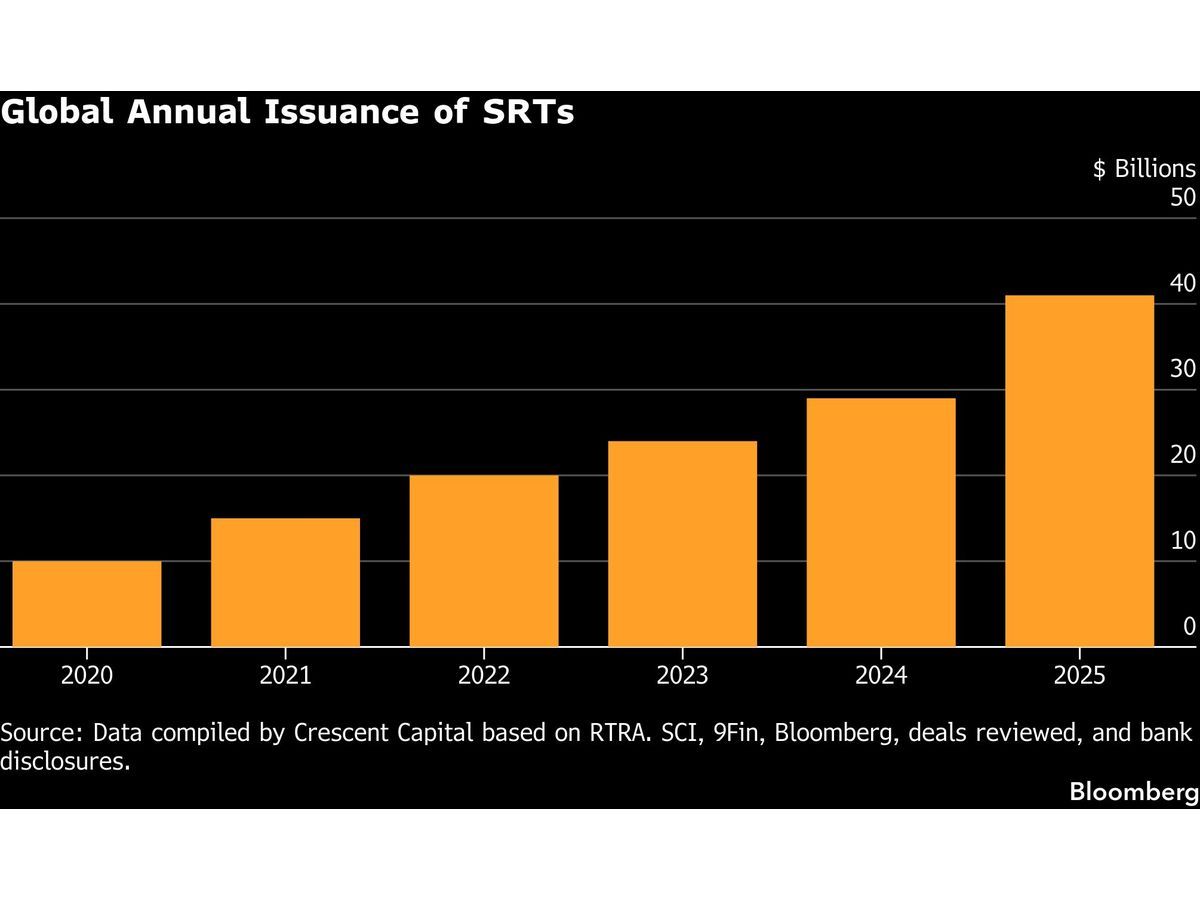
Financial regulators are being urged to incorporate synthetic risk transfers (SRTs) into system-wide stress tests. According to a recent report published by the Bank for International Settlements (BIS), this inclusion could enhance the assessment of potential risks associated with these financial instruments. The authors, Michael Chui and Costas Stephanou from BIS, along with Prashant R. Babu from the Bank of England, argue that better understanding the spillover effects between banks and other financial institutions, such as insurers and private credit funds, is crucial in severe but plausible scenarios.
At the end of 2024, the use of SRTs was still limited, accounting for around 2% or less of total bank loans across the European Union, the United States, the United Kingdom, and Canada. Despite their limited scope, SRTs have experienced a fivefold increase since 2016, as banks utilize them to bolster their solvency ratios and create additional capacity for growth.
Potential Risks of SRTs
The BIS report highlights that while SRTs are intended to protect against loan defaults, they may inadvertently amplify contagion risks between banks and non-bank financial institutions (NBFIs). The authors noted that “limited public disclosure and gaps in cross-sector and cross-border data” could lead to unnoticed vulnerabilities associated with SRTs. As the market for these instruments expands, the complexity of their structures increases, heightening reliance on non-bank entities for credit protection.
Central banks are stepping up their monitoring efforts regarding SRTs, recognizing the necessity of identifying connections between banks and NBFIs. The report indicates that the growth in SRT issuance has facilitated a redistribution of risk, deepening the interconnections between these two sectors. As of end-2024, banks have utilized SRTs to safeguard loan portfolios valued at nearly €800 billion. This practice has provided capital relief of approximately 43 basis points of Common Equity Tier 1 (CET1) for banks issuing SRTs, compared to average sector-wide CET1 levels ranging from 14% to 16%.
Among the most prominent issuers of SRTs are Banco Santander SA, Barclays Plc, and BNP Paribas SA. Since 2016, around eight new banks have entered the SRT market each year, bringing the total number of issuers to over 100. Investors are increasingly leveraging debt to enhance returns, often employing structures that introduce complexity and opacity, potentially amplifying contagion risks if one link in the chain fails.
Need for Enhanced Monitoring and Regulation
The report underscores that while SRT-related risks currently appear modest, conditions may evolve, necessitating enhanced monitoring at both individual banks and the system-wide level. The authors advocate for improved information-sharing among authorities, particularly on a cross-border basis, to better understand investor funding structures and leverage.
Additionally, the adoption of internationally consistent securitization frameworks, along with policies designed to address NBFI vulnerabilities, would bolster safeguards within the financial system. The BIS emphasizes the importance of proactive measures to mitigate risks associated with SRTs, ensuring that the financial sector remains resilient in the face of potential challenges.
As the landscape of synthetic risk transfers continues to evolve, the call for integrating these instruments into stress testing frameworks highlights the need for vigilance and adaptability among financial regulators worldwide.

Meta Plans Major Layoffs as AI Costs Surge

Alberta’s Referendum Could Pave Way for U.S. Statehood

Minooka District 201 Plans Enhanced Bilingual Support for Students

Canmore Approves Multiple Development Permits for New Projects

Remembering Bradly Castillo Shearsmith: A Life of Friendship and Joy

BIS Urges Watchdogs to Integrate Synthetic Risk Transfers in Stress Tests

Teva Transforms: Shifting Focus from Generics to Branded Success

Apple Launches AirPods Max 2 with Enhanced Audio Features

Ontario Ends Funding for Seven Supervised Injection Sites

Toyoake City Proposes Daily Two-Hour Smartphone Use Limit

Pedestrian Fatally Injured in Esquimalt Collision on August 14

B.C. Review Reveals Urgent Need for Rare-Disease Drug Reforms

Dark Adventure Game “Bye Sweet Carole” Set for October Release

Konami Revives Iconic Metal Gear Solid Delta Ahead of Release

Victoria’s Pop-Up Shop Shines Light on B.C.’s Wolf Cull

Jimmy Lai’s Defense Challenges Charges Under National Security Law

Snapmaker U1 Color 3D Printer Redefines Speed and Sustainability

Apple Expands Self-Service Repair Program to Canada
-
 Science1 year ago
Toyoake City Proposes Daily Two-Hour Smartphone Use Limit
-
 Top Stories1 year ago
Pedestrian Fatally Injured in Esquimalt Collision on August 14
-
 Health1 year ago
B.C. Review Reveals Urgent Need for Rare-Disease Drug Reforms
-
 Technology12 months ago
Dark Adventure Game “Bye Sweet Carole” Set for October Release
-
 Technology1 year ago
Konami Revives Iconic Metal Gear Solid Delta Ahead of Release
-
 Lifestyle1 year ago
Victoria’s Pop-Up Shop Shines Light on B.C.’s Wolf Cull
-
 World1 year ago
Jimmy Lai’s Defense Challenges Charges Under National Security Law
-
 Technology1 year ago
Snapmaker U1 Color 3D Printer Redefines Speed and Sustainability
-
 Technology1 year ago
Apple Expands Self-Service Repair Program to Canada
-

 Technology1 year ago
AION Folding Knife: Redefining EDC Design with Premium Materials
-

 Technology1 year ago
Solve Today’s Wordle Challenge: Hints and Answer for August 19
-

 Business1 year ago
Gordon Murray Automotive Unveils S1 LM and Le Mans GTR at Monterey