
World
Alberta’s Referendum Could Pave Way for U.S. Statehood

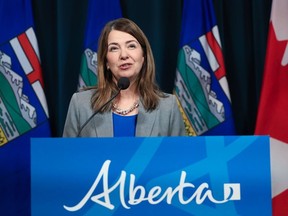
Alberta is on the brink of a historic referendum that could see the province become the 51st state of the United States. According to predictions from Polymarket, a betting platform, there is a strong possibility—currently assessed at a 55% chance—that Alberta will schedule a referendum to leave Canada before 2027. This figure represents a significant increase from just 20% last year, reflecting growing interest and support for Alberta’s independence.
The impetus for this movement stems from a sense of alienation felt by many Albertans towards the federal government. Premier Danielle Smith has indicated that a referendum is tentatively scheduled for October 19, 2026, contingent upon a successful petition drive. If sufficient signatures are gathered, the province will pose the question: “Do you agree that the Province of Alberta should cease to be a part of Canada to become an independent state?” This question is designed to meet the necessary criteria for a viable secession referendum.
Commentary on social media reflects a range of opinions. While some assert that Alberta is “done with Canada,” others express a desire for independence without necessarily seeking integration into the United States. One user noted, “As much as Albertans love America and Americans, we’re not trying to become the 51st state. We want to chart our own course, do our own thing.” This sentiment highlights the complexity of the independence movement, which is driven by a desire for greater autonomy rather than a direct transition to U.S. statehood.
Polling data suggests a divided sentiment among Albertans regarding the potential for separation. A recent poll indicated that separatist movements in both Alberta and Quebec are unlikely to gain traction while Canadians continue to feel insecure about the future. However, should a majority of Albertans vote in favor of independence, the federal government would be legally obligated to engage with the province in good faith, as established by the Supreme Court. This ruling stipulates that a clear majority vote in favor of secession would confer democratic legitimacy upon the initiative.
The desire for independence is intensified by frustrations surrounding national policies, particularly those affecting Alberta’s economy. Issues such as the opposition to pipeline projects in British Columbia have exacerbated feelings of alienation, leading many to believe that Alberta’s interests may be better served by seeking closer ties with the United States.
As discussions around the referendum gain momentum, Alberta’s future remains uncertain. The unfolding political landscape will continue to shape the dialogue on independence, and the upcoming years will be crucial in determining whether Alberta can realize its aspirations for autonomy.

Meta Plans Major Layoffs as AI Costs Surge

Alberta’s Referendum Could Pave Way for U.S. Statehood

Minooka District 201 Plans Enhanced Bilingual Support for Students

Canmore Approves Multiple Development Permits for New Projects

Remembering Bradly Castillo Shearsmith: A Life of Friendship and Joy

BIS Urges Watchdogs to Integrate Synthetic Risk Transfers in Stress Tests

Teva Transforms: Shifting Focus from Generics to Branded Success

Apple Launches AirPods Max 2 with Enhanced Audio Features

Ontario Ends Funding for Seven Supervised Injection Sites

Toyoake City Proposes Daily Two-Hour Smartphone Use Limit

Pedestrian Fatally Injured in Esquimalt Collision on August 14

B.C. Review Reveals Urgent Need for Rare-Disease Drug Reforms

Dark Adventure Game “Bye Sweet Carole” Set for October Release

Konami Revives Iconic Metal Gear Solid Delta Ahead of Release

Victoria’s Pop-Up Shop Shines Light on B.C.’s Wolf Cull

Jimmy Lai’s Defense Challenges Charges Under National Security Law

Snapmaker U1 Color 3D Printer Redefines Speed and Sustainability

Apple Expands Self-Service Repair Program to Canada
-
 Science12 months ago
Toyoake City Proposes Daily Two-Hour Smartphone Use Limit
-
 Top Stories12 months ago
Pedestrian Fatally Injured in Esquimalt Collision on August 14
-
 Health12 months ago
B.C. Review Reveals Urgent Need for Rare-Disease Drug Reforms
-
 Technology12 months ago
Dark Adventure Game “Bye Sweet Carole” Set for October Release
-
 Technology12 months ago
Konami Revives Iconic Metal Gear Solid Delta Ahead of Release
-
 Lifestyle12 months ago
Victoria’s Pop-Up Shop Shines Light on B.C.’s Wolf Cull
-
 World12 months ago
Jimmy Lai’s Defense Challenges Charges Under National Security Law
-
 Technology12 months ago
Snapmaker U1 Color 3D Printer Redefines Speed and Sustainability
-
 Technology12 months ago
Apple Expands Self-Service Repair Program to Canada
-

 Technology12 months ago
AION Folding Knife: Redefining EDC Design with Premium Materials
-

 Technology12 months ago
Solve Today’s Wordle Challenge: Hints and Answer for August 19
-

 Business12 months ago
Gordon Murray Automotive Unveils S1 LM and Le Mans GTR at Monterey