
World
Boeing 777-300ER and Airbus A350: A Clash of Long-Range Titans

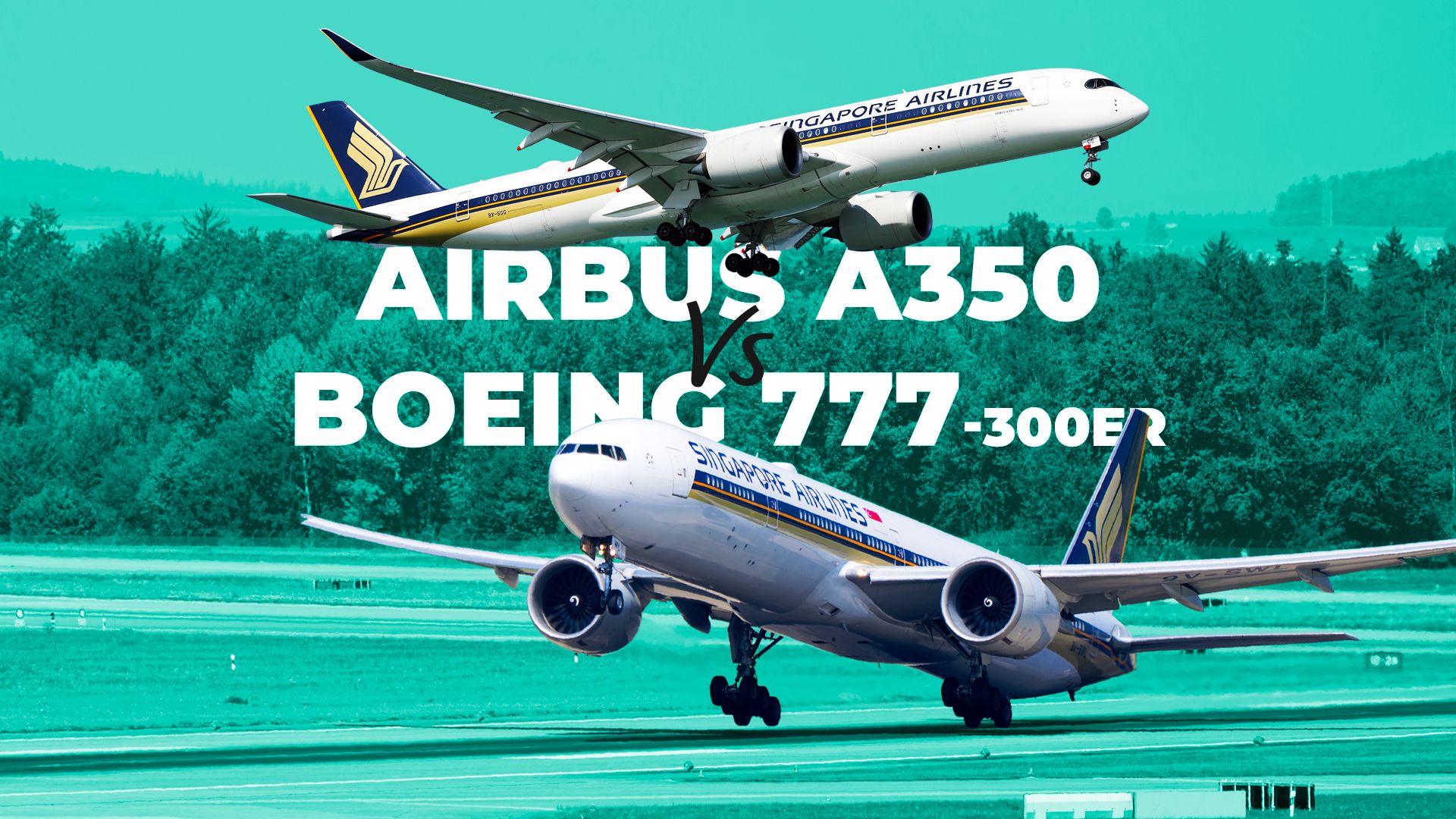
The competition between the Boeing 777-300ER and the Airbus A350 is reshaping the landscape of long-haul aviation. As airlines continually seek efficiency and operational flexibility, these two aircraft models stand at the forefront. The Boeing 777-300ER has been a stalwart in the skies for over two decades, while the Airbus A350, introduced more recently, has emerged as a formidable rival, particularly in terms of range and fuel efficiency.
Boeing 777-300ER: Proven Performance and Reliability
Since its introduction, the Boeing 777-300ER has transported millions of passengers across vast distances. This aircraft is particularly favored for high-density flights, connecting cities like Dubai and New York with remarkable efficiency. With a range of approximately 7,370 nautical miles (13,649 kilometers) and a seating capacity of up to 392 in a two-class configuration, the 777-300ER has become synonymous with long-haul travel.
The aircraft’s specifications highlight its capabilities:
– **Length**: 73.9 meters (242 feet, four inches)
– **Wingspan**: 64.8 meters (212 feet, seven inches)
– **Engine**: GE90-115B
The 777-300ER’s robust design allows it to operate efficiently even under challenging conditions, such as the extreme heat of Dubai summers. Operators like Emirates appreciate its ability to transport nearly 400 passengers while still accommodating substantial cargo. With a fleet of over 140 777s in its inventory, Emirates maximizes operational efficiency through shared training and maintenance resources, achieving a remarkable dispatch reliability rate of 99%.
Airbus A350: A Modern Marvel of Efficiency
In contrast, the Airbus A350 has rapidly gained attention for its advanced technology and superior range. The A350-900 variant boasts a maximum range of 8,500 nautical miles (15,750 kilometers) and can accommodate 440 passengers in a maximum configuration. The aircraft’s design incorporates lightweight materials and modern aerodynamics, making it highly fuel-efficient.
Key specifications of the A350-900 include:
– **Length**: 66.80 meters (219 feet, two inches)
– **Wingspan**: 64.75 meters (212 feet, five inches)
– **Cruise Speed**: Mach 0.85
The A350’s quieter Rolls-Royce Trent XWB engines and sleek carbon-fiber wings contribute to a comfortable flying experience. Singapore Airlines utilizes the A350-900ULR on its non-stop route from Singapore to New York, a journey that spans nearly 9,700 nautical miles (17,964 kilometers). This model features increased fuel capacity without significant alterations to its core design, allowing it to operate long distances efficiently.
The A350’s cockpit is another highlight, featuring a digital flight deck that enhances pilot interaction and overall flight management, ensuring a smooth operation during long-haul flights.
Choosing Between Two Giants
The decision for airlines to select either the 777-300ER or the A350 often hinges on specific operational needs. Emirates has favored the Boeing platform for its proven reliability and capacity for high passenger loads, allowing the airline to maintain a versatile long-haul network from its hub in Dubai. The 777-300ER’s ability to operate under high temperatures without sacrificing performance is a vital consideration for the carrier.
On the other hand, airlines like Singapore Airlines are leveraging the A350’s efficiency to connect distant cities without the need for refueling stops, thus maximizing route profitability and passenger comfort. The A350’s design allows airlines to take advantage of lower operational costs and reduced environmental impact compared to older aircraft models.
As both aircraft continue to serve the global market, the rivalry is also a precursor to the next generation of long-haul travel. Boeing’s upcoming 777X aims to replace the 777-300ER, integrating advanced technologies that promise to enhance passenger capacity and operational efficiency further.
Both the Boeing 777-300ER and the Airbus A350 represent significant achievements in aviation. As airlines adapt to evolving market demands and environmental considerations, the competition between these two long-range titans will undoubtedly shape the future of air travel.

Meta Plans Major Layoffs as AI Costs Surge

Alberta’s Referendum Could Pave Way for U.S. Statehood

Minooka District 201 Plans Enhanced Bilingual Support for Students

Canmore Approves Multiple Development Permits for New Projects

Remembering Bradly Castillo Shearsmith: A Life of Friendship and Joy

BIS Urges Watchdogs to Integrate Synthetic Risk Transfers in Stress Tests

Teva Transforms: Shifting Focus from Generics to Branded Success

Apple Launches AirPods Max 2 with Enhanced Audio Features

Ontario Ends Funding for Seven Supervised Injection Sites

Toyoake City Proposes Daily Two-Hour Smartphone Use Limit

Pedestrian Fatally Injured in Esquimalt Collision on August 14

B.C. Review Reveals Urgent Need for Rare-Disease Drug Reforms

Dark Adventure Game “Bye Sweet Carole” Set for October Release

Konami Revives Iconic Metal Gear Solid Delta Ahead of Release

Victoria’s Pop-Up Shop Shines Light on B.C.’s Wolf Cull

Jimmy Lai’s Defense Challenges Charges Under National Security Law

Snapmaker U1 Color 3D Printer Redefines Speed and Sustainability

Apple Expands Self-Service Repair Program to Canada
-
 Science12 months ago
Toyoake City Proposes Daily Two-Hour Smartphone Use Limit
-
 Top Stories12 months ago
Pedestrian Fatally Injured in Esquimalt Collision on August 14
-
 Health12 months ago
B.C. Review Reveals Urgent Need for Rare-Disease Drug Reforms
-
 Technology12 months ago
Dark Adventure Game “Bye Sweet Carole” Set for October Release
-
 Technology12 months ago
Konami Revives Iconic Metal Gear Solid Delta Ahead of Release
-
 Lifestyle12 months ago
Victoria’s Pop-Up Shop Shines Light on B.C.’s Wolf Cull
-
 World12 months ago
Jimmy Lai’s Defense Challenges Charges Under National Security Law
-
 Technology12 months ago
Snapmaker U1 Color 3D Printer Redefines Speed and Sustainability
-
 Technology12 months ago
Apple Expands Self-Service Repair Program to Canada
-

 Technology12 months ago
AION Folding Knife: Redefining EDC Design with Premium Materials
-

 Technology12 months ago
Solve Today’s Wordle Challenge: Hints and Answer for August 19
-

 Business12 months ago
Gordon Murray Automotive Unveils S1 LM and Le Mans GTR at Monterey