
Science
Researchers Link Dog Behavior Genes to Human Personality Traits

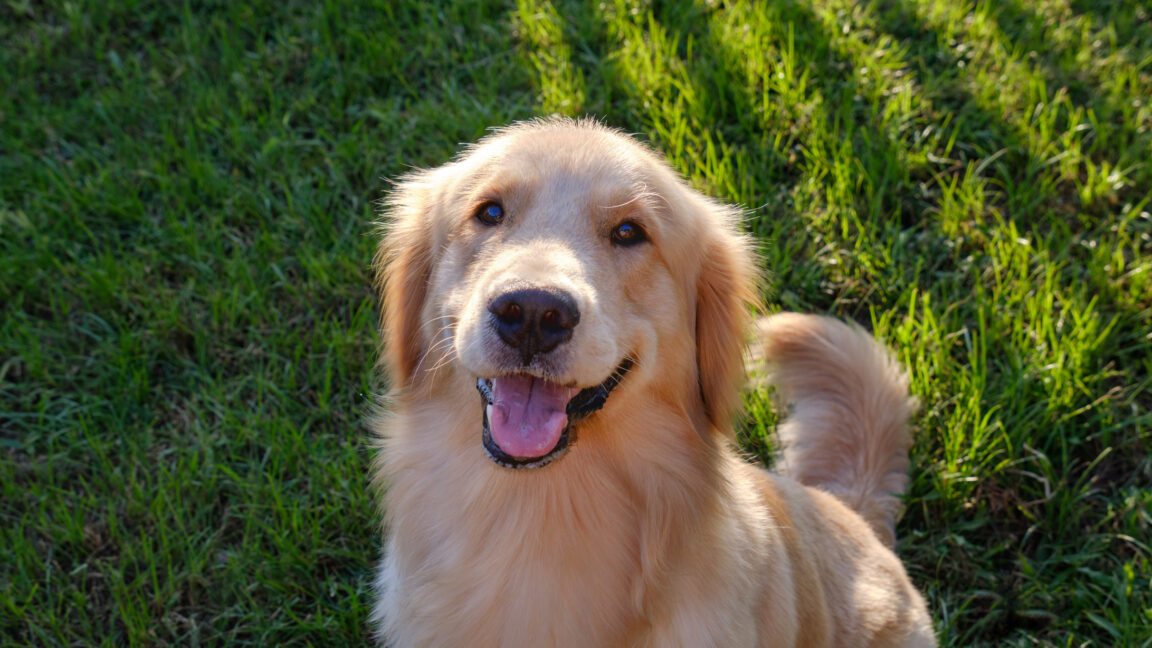
A groundbreaking study has identified genetic links between dog behaviors and human personality traits. Researchers at Cambridge University conducted the largest gene-behavior association study focused on a single breed, utilizing over 1,000 golden retrievers. The findings reveal that many of the genes associated with specific canine behaviors also correspond to regions in the human genome linked to personality differences.
The study leveraged data from the Golden Retriever Lifetime Study, where more than 3,000 dog owners provided annual surveys detailing their pets’ behaviors. Blood samples from over 1,000 of these dogs were analyzed to identify genetic variants. The researchers then correlated these variants with behavioral tendencies, examining 14 specific traits, including aggression and fear responses.
The research uncovered 12 genomic regions significantly associated with specific behaviors, while another nine showed weaker correlations. Notably, the friendly and sociable nature of golden retrievers led to low scores on traits like aggression, making it challenging to identify strong behavioral links.
While the study found genetic associations that align with differences in behavior between dogs and humans, it also noted that some behaviors diverged significantly across species. For instance, certain regions linked to touch sensitivity in golden retrievers were connected to chasing behaviors and owner-directed aggression in mixed-breed populations. This suggests that while the same genetic regions may play a role in behavioral predispositions, environmental influences and other genetic factors ultimately shape the specific behaviors expressed.
The researchers highlighted intriguing connections between canine and human behavior. For example, the gene associated with dog-directed aggression is linked to human attributes such as intelligence, cognitive performance, educational attainment, and major depressive disorder. In total, the team identified a dozen genetic sites associated with behavioral differences in both species, emphasizing a shared genetic foundation across mammals.
Some correlations were more intuitive than others. A genomic region associated with fear in dogs corresponds with neuroticism and anxiety in humans. Additionally, the ROMO1 gene region, linked to training responsiveness in dogs, has associations with cognitive performance, as well as depression and irritability in humans.
These findings underscore the complexity of the relationship between genetics and behavior. While certain genes may provide a foundational role in behavior across species, the exact manifestations of these behaviors can vary significantly. Factors such as the dogs’ upbringing and their owners’ interpretations of behaviors introduce additional layers of nuance to the study.
Despite the robust data, the researchers acknowledged potential biases stemming from the subjective nature of owner-reported behavior ratings. Variations in the dogs’ environments could also influence behavior. However, the large population size helps mitigate these concerns, suggesting that the identified variants may serve as flexible points for the nervous system, guided by both genetic and environmental influences.
As the research progresses, understanding the interplay of genetics and behavior in both dogs and humans could pave the way for further insights into personality development and behavioral health. The study, published in PNAS in 2025, opens new avenues for exploring the genetic basis of behavior across species.

Meta Plans Major Layoffs as AI Costs Surge

Alberta’s Referendum Could Pave Way for U.S. Statehood

Minooka District 201 Plans Enhanced Bilingual Support for Students

Canmore Approves Multiple Development Permits for New Projects

Remembering Bradly Castillo Shearsmith: A Life of Friendship and Joy

BIS Urges Watchdogs to Integrate Synthetic Risk Transfers in Stress Tests

Teva Transforms: Shifting Focus from Generics to Branded Success

Apple Launches AirPods Max 2 with Enhanced Audio Features

Ontario Ends Funding for Seven Supervised Injection Sites

Toyoake City Proposes Daily Two-Hour Smartphone Use Limit

Pedestrian Fatally Injured in Esquimalt Collision on August 14

B.C. Review Reveals Urgent Need for Rare-Disease Drug Reforms

Dark Adventure Game “Bye Sweet Carole” Set for October Release

Konami Revives Iconic Metal Gear Solid Delta Ahead of Release

Victoria’s Pop-Up Shop Shines Light on B.C.’s Wolf Cull

Jimmy Lai’s Defense Challenges Charges Under National Security Law

Snapmaker U1 Color 3D Printer Redefines Speed and Sustainability

Apple Expands Self-Service Repair Program to Canada
-
 Science12 months ago
Toyoake City Proposes Daily Two-Hour Smartphone Use Limit
-
 Top Stories12 months ago
Pedestrian Fatally Injured in Esquimalt Collision on August 14
-
 Health12 months ago
B.C. Review Reveals Urgent Need for Rare-Disease Drug Reforms
-
 Technology12 months ago
Dark Adventure Game “Bye Sweet Carole” Set for October Release
-
 Technology12 months ago
Konami Revives Iconic Metal Gear Solid Delta Ahead of Release
-
 Lifestyle12 months ago
Victoria’s Pop-Up Shop Shines Light on B.C.’s Wolf Cull
-
 World12 months ago
Jimmy Lai’s Defense Challenges Charges Under National Security Law
-
 Technology12 months ago
Snapmaker U1 Color 3D Printer Redefines Speed and Sustainability
-
 Technology12 months ago
Apple Expands Self-Service Repair Program to Canada
-

 Technology12 months ago
AION Folding Knife: Redefining EDC Design with Premium Materials
-

 Technology12 months ago
Solve Today’s Wordle Challenge: Hints and Answer for August 19
-

 Business12 months ago
Gordon Murray Automotive Unveils S1 LM and Le Mans GTR at Monterey