
Top Stories
Manitoba’s Cultural Sector Faces Decline Despite Strong Presence

Manitoba’s cultural sector, often underestimated due to its rural image, has proven its significance but is currently facing a notable decline. A recent report by Hill Strategies Research, presented at the Manitobans for the Arts summit in October 2023, reveals that Manitoba produces $1,010 worth of cultural goods and services per person, ranking it among the top provinces in Canada. Only British Columbia, Ontario, and Quebec surpass it in per-capita cultural output.
Despite these impressive figures, the report highlights a troubling trend: the contribution of Manitoba’s cultural industries to the province’s GDP has decreased by 12 percent from 2019 to 2023, which is the second largest drop among all Canadian provinces. Over a longer period, the decline is even steeper, with a 20 percent reduction since 2010 when adjusted for inflation. This downturn raises critical questions about the sustainability and future of the arts in Manitoba.
The challenges faced by the cultural sector are multifaceted. The COVID-19 pandemic has had lingering effects, causing live audiences to dwindle significantly. Many organizations, particularly those focused on traditional performing arts like theatre, dance, and classical music, continue to struggle in regaining their pre-pandemic audiences. Orchestras Canada reported a 25 percent decline in attendance levels for Canadian orchestras in the 2023-24 season compared to 2018-19.
Local institutions in Winnipeg, such as Sarasvati Productions and Virtuosi Concerts, have faced deficits and have recently closed their doors. The closure of Good Will Social Club, a popular venue in the indie music scene, further illustrates the financial pressures exacerbated by inflation and changing audience preferences.
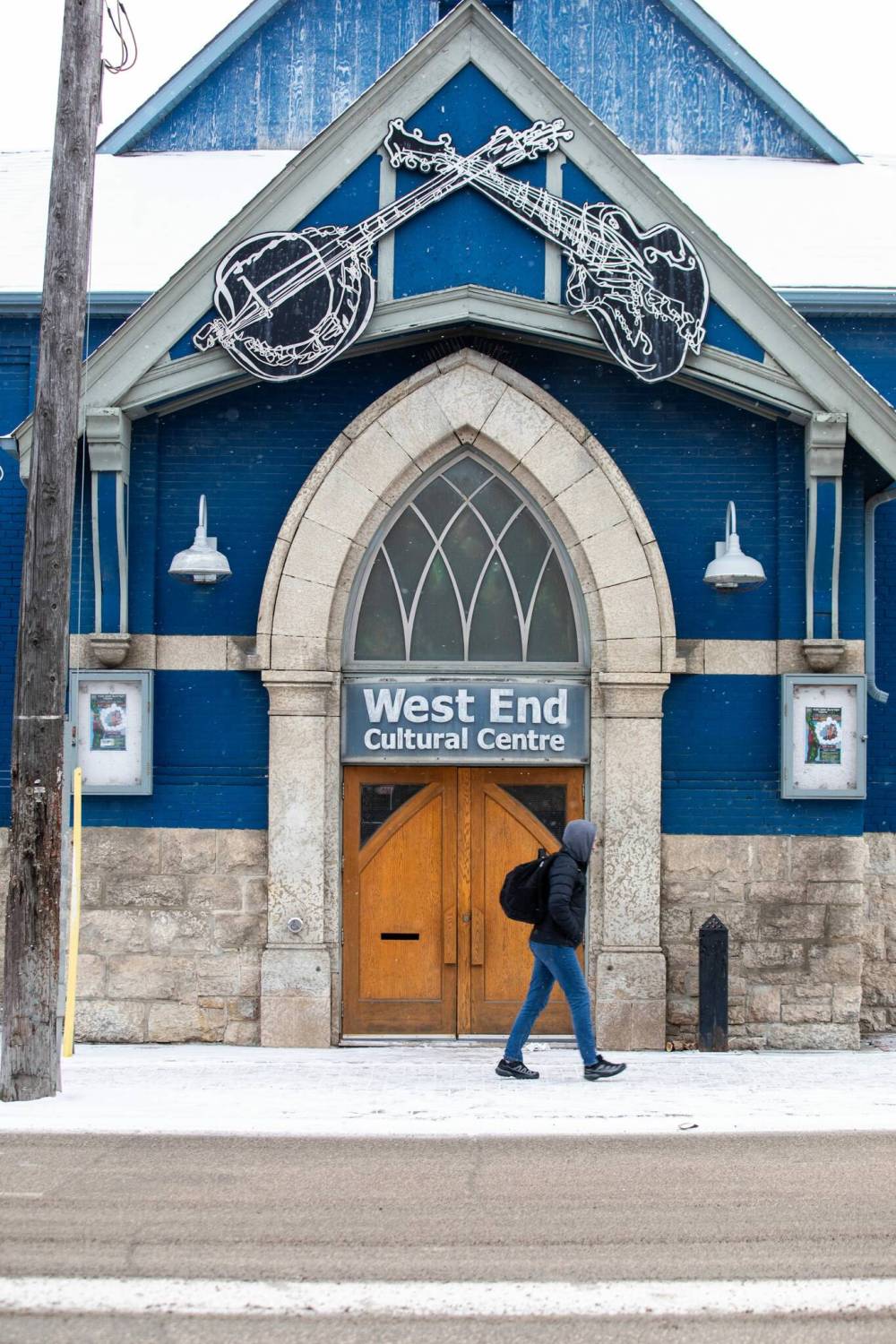
Despite these setbacks, some venues continue to thrive. The West End Cultural Centre has recently announced the need to raise $50,000 to remain operational, attributing its struggles to similar economic pressures. Conversely, the Park Theatre in South Osborne remains bustling with audiences for concerts and events, hosting notable Canadian artists such as Julian Taylor and Elliott Brood. The Winnipeg Folk Festival continues to break attendance records, illustrating a vibrant community spirit.
Valerie Shantz, executive director of the Winnipeg Folk Festival, emphasizes the festival’s commitment to fostering a sense of community. “There is a sense of folk fest community,” she said, noting that the festival appeals to a wide range of generations. The programming includes both local and international acts, ensuring a diverse experience for attendees.
However, the arts sector also faces significant financial hurdles. Many organizations are grappling with decreased government funding, which has fallen by nine percent when adjusted for inflation from 2008-09 to 2023-24. This decline in funding forces arts administrators to ponder how to compensate for lost revenue.
At the recent arts summit, attendees expressed concerns about the steady decrease in cultural production in Manitoba. Kelly Hill, principal of Hill Strategies, acknowledged the complexity of the issues at hand. “Questions about ‘why’ are just hard for me to answer,” he stated, reflecting the sentiments of many in the room.
The cultural landscape also reflects concerning disparities. The report points out that Manitoba has a higher proportion of Indigenous artists than any other province, yet median personal income for Indigenous artists was just $24,600, compared to $27,200 for their non-Indigenous counterparts. This points to broader issues of economic inequality and the need for effective diversity, equity, and inclusion strategies within the sector.
While some arts organizations are finding ways to adapt, the challenges remain daunting. Spencer Duncanson, executive director of the Little Opera Company, highlighted the importance of balancing traditional and contemporary programming to engage diverse audiences. He noted that the risks associated with new works can be mitigated by ensuring quality while respecting audience expectations.
Rodrigo Beilfuss, artistic director of Shakespeare in the Ruins, shared similar sentiments. He emphasized the need for arts organizations to remain respectful of their audiences while innovating. “If there is no sense of respect for the audience or for the form, chances are nobody’s gonna listen to you,” he stated.
As Manitoba’s cultural sector navigates these turbulent waters, the importance of community support and government engagement becomes increasingly evident. While the arts may often be perceived as non-essential, they play a critical role in the province’s economic and social fabric. The ongoing discussions about funding, audience engagement, and the future of the arts will be pivotal in shaping Manitoba’s cultural landscape in the years to come.

Meta Plans Major Layoffs as AI Costs Surge

Alberta’s Referendum Could Pave Way for U.S. Statehood

Minooka District 201 Plans Enhanced Bilingual Support for Students

Canmore Approves Multiple Development Permits for New Projects

Remembering Bradly Castillo Shearsmith: A Life of Friendship and Joy

BIS Urges Watchdogs to Integrate Synthetic Risk Transfers in Stress Tests

Teva Transforms: Shifting Focus from Generics to Branded Success

Apple Launches AirPods Max 2 with Enhanced Audio Features

Ontario Ends Funding for Seven Supervised Injection Sites

Toyoake City Proposes Daily Two-Hour Smartphone Use Limit

Pedestrian Fatally Injured in Esquimalt Collision on August 14

B.C. Review Reveals Urgent Need for Rare-Disease Drug Reforms

Dark Adventure Game “Bye Sweet Carole” Set for October Release

Konami Revives Iconic Metal Gear Solid Delta Ahead of Release

Victoria’s Pop-Up Shop Shines Light on B.C.’s Wolf Cull

Jimmy Lai’s Defense Challenges Charges Under National Security Law

Snapmaker U1 Color 3D Printer Redefines Speed and Sustainability

Apple Expands Self-Service Repair Program to Canada
-
 Science11 months ago
Toyoake City Proposes Daily Two-Hour Smartphone Use Limit
-
 Top Stories11 months ago
Pedestrian Fatally Injured in Esquimalt Collision on August 14
-
 Health11 months ago
B.C. Review Reveals Urgent Need for Rare-Disease Drug Reforms
-
 Technology11 months ago
Dark Adventure Game “Bye Sweet Carole” Set for October Release
-
 Technology11 months ago
Konami Revives Iconic Metal Gear Solid Delta Ahead of Release
-
 Lifestyle11 months ago
Victoria’s Pop-Up Shop Shines Light on B.C.’s Wolf Cull
-
 World11 months ago
Jimmy Lai’s Defense Challenges Charges Under National Security Law
-
 Technology11 months ago
Snapmaker U1 Color 3D Printer Redefines Speed and Sustainability
-
 Technology11 months ago
Apple Expands Self-Service Repair Program to Canada
-

 Technology11 months ago
AION Folding Knife: Redefining EDC Design with Premium Materials
-

 Technology11 months ago
Solve Today’s Wordle Challenge: Hints and Answer for August 19
-

 Business11 months ago
Gordon Murray Automotive Unveils S1 LM and Le Mans GTR at Monterey