
Top Stories
Judge Blocks DOJ Access to Evidence in Comey Case Ahead of New Indictment

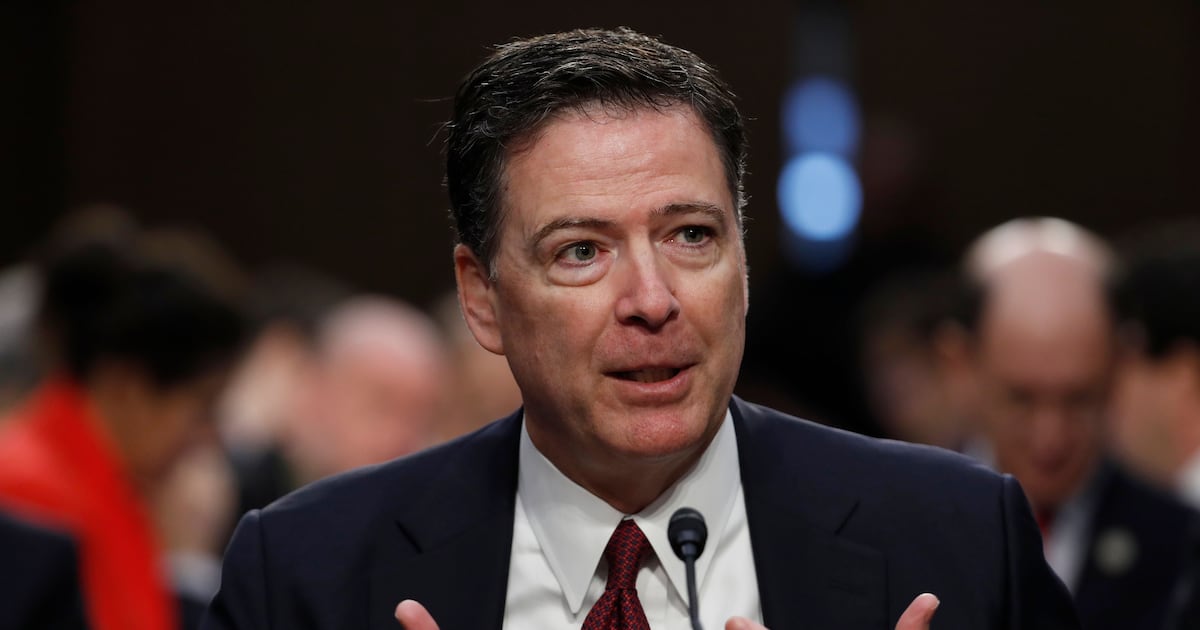
A federal judge has temporarily restricted the Justice Department’s access to crucial evidence used in its criminal case against former FBI Director James Comey. This decision comes just as the Trump administration is preparing to seek a new indictment following the dismissal of previous charges against Comey last week.
The ruling sets the stage for a swift emergency court proceeding this week, which could limit the evidence prosecutors may present to a grand jury. The case against Comey was dismissed for various reasons, but the judge’s order now raises questions about the admissibility of previously collected evidence.
According to court documents, the order stems from a legal challenge brought forth by Dan Richman, Comey’s friend and former lawyer. Richman alleged that federal investigators improperly accessed his digital communications to build their case against Comey. He sought the return of his data and requested a ban on the Justice Department’s access to it without proper warrants.
In her ruling, Judge Colleen Kollar-Kotelly of the DC District Court noted, “The Court concludes that Petitioner Richman is likely to succeed on the merits of his claim that the Government has violated his Fourth Amendment right against unreasonable searches and seizures.” The judge ordered the Justice Department to “identify, segregate, and secure” an image of Richman’s personal computer created in 2017, along with his Columbia University email and iCloud accounts.
The judge mandated that the Justice Department must certify compliance with these orders by Monday. Further developments surrounding the disputed evidence are anticipated this week.
The materials in question were vital in the recently dismissed case against Comey, which took place in Northern Virginia. Richman, a law professor, criticized the Justice Department’s actions as a “callous disregard” for his Fourth Amendment rights. The implications of this temporary restriction may also allow for a deeper examination of potential prosecutorial missteps that were not fully explored prior to the dismissal of Comey’s case.
Previously, Comey had pleaded not guilty to the charges that he misled Congress during his 2020 testimony regarding his interactions with Richman. Evidence from Richman’s files had been presented to a grand jury in Alexandria, Virginia. The grand jury had been examining allegations that Comey lied to Congress, but the original search warrants from the investigation, referred to as Arctic Haze, did not authorize the seizure of evidence related to these claims.
Virginia federal magistrate judge William Fitzpatrick highlighted that the Justice Department had not obtained new warrants for the files, which had remained dormant for years. Richman has never faced charges in relation to this investigation, and Comey’s original case has now come to an unexpected halt due to procedural issues surrounding the presentation of evidence.
The abrupt end to the Comey criminal case occurred following a ruling that Lindsey Halligan, a Trump-backed attorney acting as the US Attorney in the Eastern District of Virginia, lacked the authority to present the case to the grand jury. Although the Justice Department plans to appeal this ruling, no appeal has yet been filed.
The evolving situation surrounding Comey’s case highlights ongoing tensions between legal rights and prosecutorial authority, as both sides prepare for what may be a contentious legal battle.

Meta Plans Major Layoffs as AI Costs Surge

Alberta’s Referendum Could Pave Way for U.S. Statehood

Minooka District 201 Plans Enhanced Bilingual Support for Students

Canmore Approves Multiple Development Permits for New Projects

Remembering Bradly Castillo Shearsmith: A Life of Friendship and Joy

BIS Urges Watchdogs to Integrate Synthetic Risk Transfers in Stress Tests

Teva Transforms: Shifting Focus from Generics to Branded Success

Apple Launches AirPods Max 2 with Enhanced Audio Features

Ontario Ends Funding for Seven Supervised Injection Sites

Toyoake City Proposes Daily Two-Hour Smartphone Use Limit

Pedestrian Fatally Injured in Esquimalt Collision on August 14

B.C. Review Reveals Urgent Need for Rare-Disease Drug Reforms

Dark Adventure Game “Bye Sweet Carole” Set for October Release

Konami Revives Iconic Metal Gear Solid Delta Ahead of Release

Victoria’s Pop-Up Shop Shines Light on B.C.’s Wolf Cull

Jimmy Lai’s Defense Challenges Charges Under National Security Law

Snapmaker U1 Color 3D Printer Redefines Speed and Sustainability

Apple Expands Self-Service Repair Program to Canada
-
 Science11 months ago
Toyoake City Proposes Daily Two-Hour Smartphone Use Limit
-
 Top Stories11 months ago
Pedestrian Fatally Injured in Esquimalt Collision on August 14
-
 Health11 months ago
B.C. Review Reveals Urgent Need for Rare-Disease Drug Reforms
-
 Technology11 months ago
Dark Adventure Game “Bye Sweet Carole” Set for October Release
-
 Technology11 months ago
Konami Revives Iconic Metal Gear Solid Delta Ahead of Release
-
 Lifestyle11 months ago
Victoria’s Pop-Up Shop Shines Light on B.C.’s Wolf Cull
-
 World11 months ago
Jimmy Lai’s Defense Challenges Charges Under National Security Law
-
 Technology11 months ago
Snapmaker U1 Color 3D Printer Redefines Speed and Sustainability
-
 Technology11 months ago
Apple Expands Self-Service Repair Program to Canada
-

 Technology11 months ago
AION Folding Knife: Redefining EDC Design with Premium Materials
-

 Technology11 months ago
Solve Today’s Wordle Challenge: Hints and Answer for August 19
-

 Business11 months ago
Gordon Murray Automotive Unveils S1 LM and Le Mans GTR at Monterey