
Health
Innu Inquiry Highlights Need for Long-Term Commitment from Government

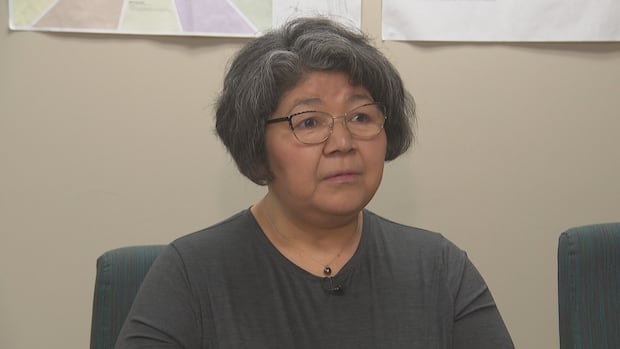
The Inquiry into the Treatment, Experiences and Outcomes of Innu in the Child Protection System has revealed critical insights regarding the challenges faced by the Innu community. Commissioners engaged with a range of researchers and scientists, emphasizing the urgent need for a long-term commitment from the government to address systemic issues within the child protection framework.
During the inquiry, participants highlighted the importance of resilience among the Innu people, who have endured extensive hardships connected to the child welfare system. The discussions underscored the necessity for enhanced autonomy for the Innu Nation, advocating for policies that genuinely reflect the community’s needs and aspirations.
Insights from Researchers and Scientists
Research presented at the inquiry pointed to the multifaceted challenges that Indigenous communities face when navigating the child protection system. According to Regan Burden of the Canadian Broadcasting Corporation, testimonies revealed that many Innu families experience a lack of trust in the system, stemming from a history of trauma and marginalization.
Commissioners noted that the evidence collected from various experts indicates that there is no “quick fix” to these deep-rooted issues. Instead, a sustained effort is required to foster meaningful change. The emphasis was placed on the necessity for collaboration between the government and the Innu Nation to develop comprehensive strategies that promote well-being and safeguard children.
Government’s Role in Supporting Autonomy
The inquiry’s findings suggest that the government’s approach must shift towards empowering Indigenous communities. Participants articulated a strong desire for autonomy in decision-making processes related to child welfare. This shift would involve recognizing the unique cultural contexts and lived experiences of the Innu people.
The Government of Canada, through Indigenous Services Canada, has been called upon to demonstrate a commitment to implementing the recommendations stemming from this inquiry. This includes investing resources into culturally appropriate programs and services that address the specific needs of the Innu community.
As the inquiry continues, the hope is that the voices of the Innu people will lead to meaningful reforms within the child protection system. By prioritizing resilience and autonomy, there is potential for a more just and equitable framework that supports Indigenous children and families moving forward.
The findings and discussions from this inquiry serve as a crucial reminder of the ongoing challenges faced by Indigenous communities. The call for long-term commitment from the government resonates with the need to ensure that future generations of the Innu Nation have the opportunity to thrive in a supportive and responsive environment.

Meta Plans Major Layoffs as AI Costs Surge

Alberta’s Referendum Could Pave Way for U.S. Statehood

Minooka District 201 Plans Enhanced Bilingual Support for Students

Canmore Approves Multiple Development Permits for New Projects

Remembering Bradly Castillo Shearsmith: A Life of Friendship and Joy

BIS Urges Watchdogs to Integrate Synthetic Risk Transfers in Stress Tests

Teva Transforms: Shifting Focus from Generics to Branded Success

Apple Launches AirPods Max 2 with Enhanced Audio Features

Ontario Ends Funding for Seven Supervised Injection Sites

Toyoake City Proposes Daily Two-Hour Smartphone Use Limit

Pedestrian Fatally Injured in Esquimalt Collision on August 14

B.C. Review Reveals Urgent Need for Rare-Disease Drug Reforms

Dark Adventure Game “Bye Sweet Carole” Set for October Release

Konami Revives Iconic Metal Gear Solid Delta Ahead of Release

Victoria’s Pop-Up Shop Shines Light on B.C.’s Wolf Cull

Jimmy Lai’s Defense Challenges Charges Under National Security Law

Snapmaker U1 Color 3D Printer Redefines Speed and Sustainability

Apple Expands Self-Service Repair Program to Canada
-
 Science11 months ago
Toyoake City Proposes Daily Two-Hour Smartphone Use Limit
-
 Top Stories11 months ago
Pedestrian Fatally Injured in Esquimalt Collision on August 14
-
 Health11 months ago
B.C. Review Reveals Urgent Need for Rare-Disease Drug Reforms
-
 Technology11 months ago
Dark Adventure Game “Bye Sweet Carole” Set for October Release
-
 Technology11 months ago
Konami Revives Iconic Metal Gear Solid Delta Ahead of Release
-
 Lifestyle11 months ago
Victoria’s Pop-Up Shop Shines Light on B.C.’s Wolf Cull
-
 World11 months ago
Jimmy Lai’s Defense Challenges Charges Under National Security Law
-
 Technology11 months ago
Snapmaker U1 Color 3D Printer Redefines Speed and Sustainability
-
 Technology11 months ago
Apple Expands Self-Service Repair Program to Canada
-

 Technology11 months ago
AION Folding Knife: Redefining EDC Design with Premium Materials
-

 Technology11 months ago
Solve Today’s Wordle Challenge: Hints and Answer for August 19
-

 Business11 months ago
Gordon Murray Automotive Unveils S1 LM and Le Mans GTR at Monterey